 EN

Executive Summary & B2B Formulation Guidance
Separate nattokinase mechanism, human evidence, supplement wording, and high-risk blood-thinner claims before publishing a product page.
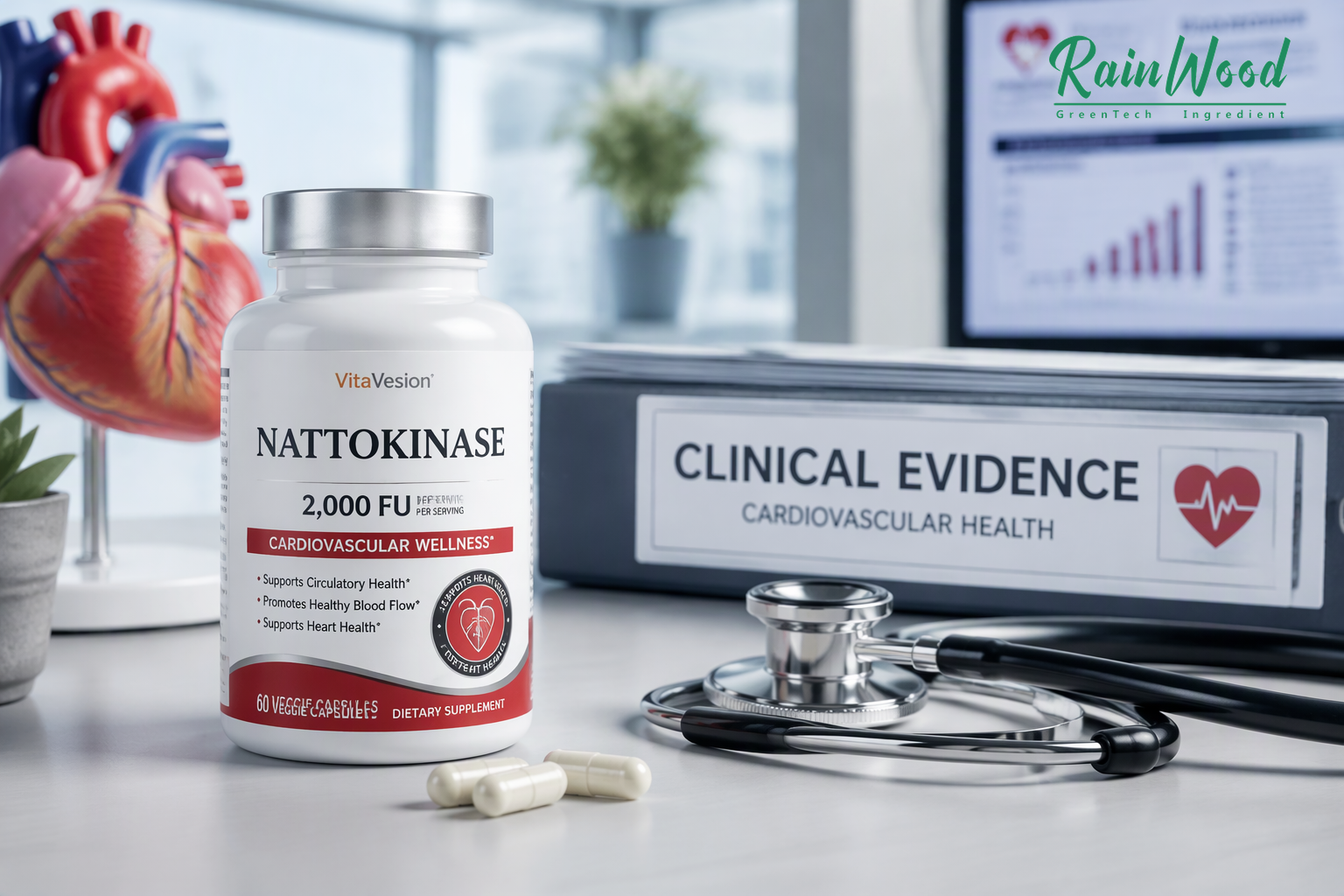
Figure 1: Premium Nattokinase Dietary Supplement Bottle with Compliant Cardiovascular Wellness Claims and Clinical Dossier
The most clickable nattokinase claim may be the least defensible
“Natural blood thinner,” “dissolves clots,” and “cleans arteries” can attract attention quickly. They can also make a dietary supplement look like a drug, create medication expectations, and trigger platform or retailer review. A professional brand needs a claim that is attractive to the right buyer but anchored to the exact product, dose, evidence, and market.
Nattokinase research includes biochemical, animal, short-term human, and longer-term clinical studies. These layers should not be collapsed into a promise that a capsule treats or prevents thrombosis. The claim-to-evidence chain starts with identity and activity, not with a dramatic headline.
Separate mechanism from outcome
An enzyme may show fibrinolytic activity in an assay. A single-dose study may report changes in coagulation-related markers. A long-term randomized trial in healthy low-risk adults found no significant effect on subclinical atherosclerosis progression or several measured outcomes. These findings provide context, not a universal consumer promise.
The product file should state what was tested, at what FU dose, in which population, for how long, and with what endpoint. A raw nattokinase activity result does not prove the finished capsule changes a customer's cardiovascular outcome. Use the [INTERNAL LINK -> Nattokinase FU Guide] and [INTERNAL LINK -> Nattokinase COA Blog] to keep the product evidence visible.
Why overclaiming creates commercial loss
A listing may be removed, an advertisement rejected, or a retailer request substantiation. A customer taking anticoagulant medication may interpret “blood thinner” as permission to self-manage a medical issue. A complaint or adverse event can then expose a much larger documentation gap.
The brand also attracts the wrong customer. Someone seeking emergency clot treatment will be disappointed by a supplement positioned as a substitute. Refunds, poor reviews, and reputational damage follow.
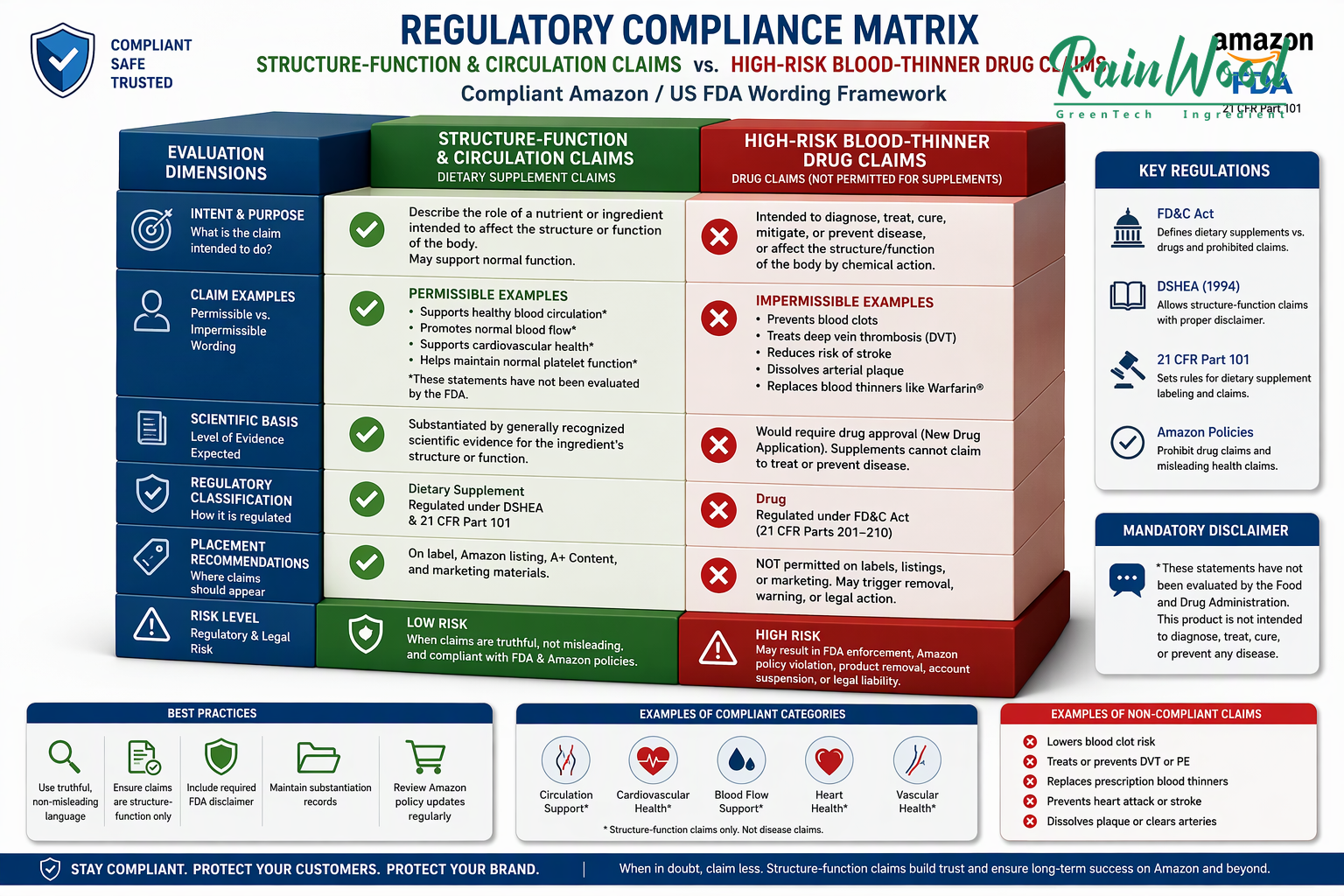
Figure 2: 3D Regulatory Framework Matrix: Structure/Function Circulation Claims vs High-Risk Drug Disease Claims
Build a claim-to-evidence matrix
List title, bullets, images, testimonials, FAQ, influencer language, and search keywords. For each phrase, identify whether it describes ingredient identity, enzyme activity, general wellness support, a human biomarker, or a disease or therapeutic outcome. Add source, dose, population, endpoint, and reviewer.
Review the exact market and channel. “Supports cardiovascular health” may still require careful context; “prevents blood clots” is a much stronger medical implication. A disclaimer cannot erase misleading wording. The [INTERNAL LINK -> Nattokinase Market Dossier Blog] describes document control before listing.
How RainwoodBio can support a defensible claim file
RainwoodBio publishes requirement confirmation, compliance assessment, testing and release, product registration and compliance documentation, and traceability. These capabilities can help a brand organize a product file. They do not prove a clinical outcome or authorize a disease claim. The buyer should request exact product evidence and use a qualified reviewer for target-market claims.
Claim approval gate
Before publishing, ask:
- Is the claim about activity, mechanism, wellness support, or treatment?
- Does the evidence match the exact enzyme, FU dose, and format?
- Could a normal customer read it as a blood-thinner or clot-treatment promise?
- Are testimonials making a stronger claim than the product page?
- Are medication warnings and professional advice language reviewed?
Request a [INTERNAL LINK -> Nattokinase Claim and Label Review] [INTERNAL LINK -> Contact Us Page] with the draft label, formula, COA, evidence list, target market, and channel.
Turn scientific uncertainty into a stronger B2B story
A brand does not need to hide uncertainty to sell nattokinase. It can explain that FU measures enzyme activity under a defined laboratory condition, that human evidence depends on dose and population, and that the finished product must be tested through shelf life. That education attracts serious distributors and private-label buyers because it shows the supplier understands the difference between an ingredient story and a substantiated product claim.
Use a claim ladder. At the technical level, describe the enzyme and its measured activity. At the product level, describe the declared serving and quality controls. At the consumer level, use only market-appropriate wellness wording approved for the exact product and jurisdiction. Do not let an affiliate, testimonial, or social caption jump from activity to disease treatment.
Add [INTERNAL LINK -> Nattokinase Safety Warning Blog] to connect the claim review with medication and customer-service controls.
Keep the product page aligned with the technical file
The title, bullets, product images, FAQ, testimonials, and search terms should use the same approved language. If the technical file says activity is measured in vitro, the product page should not imply a guaranteed in-human clot effect. If the warning file asks medication users to consult a healthcare professional, an influencer script should not suggest that the product replaces medical advice.
Create a claim approval record with version, reviewer, market, evidence, and expiry or review date. Reopen it when the formula, FU target, dosage form, source, or market changes. This gives the brand a practical way to keep acquisition copy forceful without allowing a single sales edit to create a therapeutic promise.
Build content around a buyer decision
For an OEM buyer, the useful question is not “Can you make a blood thinner?” It is “Can you provide a defined nattokinase activity, finished-product specification, warning file, and market-appropriate wording?” For an Amazon brand, the useful question is whether the product page can attract a circulation-focused customer without implying emergency clot treatment. For a practitioner channel, the question is whether the technical file makes the limits of the evidence clear.
Use the article and product page to invite a concrete review. Ask the buyer to send the draft label, target FU, COA, market, and formula. A supplier can then identify where the claim exceeds the evidence, where the warning file is incomplete, and which finished-product tests are still needed. This is more persuasive than repeating a dramatic phrase with no release record.
Keep a separate record for educational material and promotional copy. A scientific Blog can discuss an assay, a study, or a limitation; a product page must still follow the destination market's rules. Review translations too, because a cautious English phrase can become a stronger therapeutic statement in another language.
Make the CTA a claim-gap review
Invite the buyer to send the current label, target FU, COA, intended market, and formula. The review can identify whether the activity unit is clear, whether the warning language is consistent, and whether a sentence implies treatment or prevention. This is a concrete commercial offer that helps the buyer move toward launch without promising a health outcome.
Keep the result documented. If the brand later changes the activity, format, or market, rerun the claim check. A controlled review is more durable than a single approved headline.
Frequently asked questions
Can a product say nattokinase supports circulation?
The answer depends on market, wording, context, and evidence. Review the complete communication.
Can a fibrinolytic assay support a clot-dissolving claim?
No. An in vitro activity result does not establish a human treatment outcome.
Does “natural blood thinner” avoid drug-claim risk?
No. Consumers may interpret it as a medication effect. Use qualified regulatory review.
Can a disclaimer make a strong claim acceptable?
No. A disclaimer is not permission to make a misleading therapeutic claim.
Conclusion
The strongest nattokinase marketing is the claim that matches the exact activity, dose, evidence, finished product, and market. Replace dramatic shortcuts with an evidence-led product story that a serious buyer can defend.
Disclaimer: This article is general commercial information, not medical or legal advice. It does not establish that nattokinase treats, prevents, or cures blood clots, cardiovascular disease, or any other condition.

Figure 3: Regulatory Affairs Team Reviewing Supplement Label Artwork, Warning Disclaimers, and Substantiation Files
References
- https://pubmed.ncbi.nlm.nih.gov/33843667/
- https://pubmed.ncbi.nlm.nih.gov/26109079/
- https://www.fda.gov/food/dietary-supplements-guidance-documents-regulatory-information/dietary-supplement-labeling-guide
Explore RainwoodBio Nattokinase & Cardiovascular OEM Solutions
- Custom Nattokinase Enteric & Delayed-Release Capsules – Gastric-acid protection preserving 2,000~20,000 FU/g enzyme activity for optimal systemic absorption.
- Nattokinase Lipid Softgels & Cardiovascular Blends – Synergistic co-formulations with CoQ10, Phytosterols, Garlic Oil, and Vitamin K2-free options.
- Nattokinase Sachet Stick Packs & Functional Powders – Convenient single-serve sachet stick packs with premium taste masking and high moisture barrier.
- OEM / ODM Contract Manufacturing Services – cGMP certified high-potency blending, blister packaging, and US/EU/Amazon regulatory compliance dossiers.
- Contact RainwoodBio Technical Sales – Request Nattokinase CoA (FU/g assay certificates), stability test protocols, pilot samples, or custom quotation.
Table of Contents
- The most clickable nattokinase claim may be the least defensible
- Separate mechanism from outcome
- Why overclaiming creates commercial loss
- Build a claim-to-evidence matrix
- How RainwoodBio can support a defensible claim file
- Claim approval gate
- Turn scientific uncertainty into a stronger B2B story
- Keep the product page aligned with the technical file
- Build content around a buyer decision
- Make the CTA a claim-gap review
- Frequently asked questions
- Conclusion
- References