 EN

Executive Summary & B2B Formulation Guidance
Why nattokinase FU results can differ by method and how buyers should normalize assay conditions before comparing suppliers.
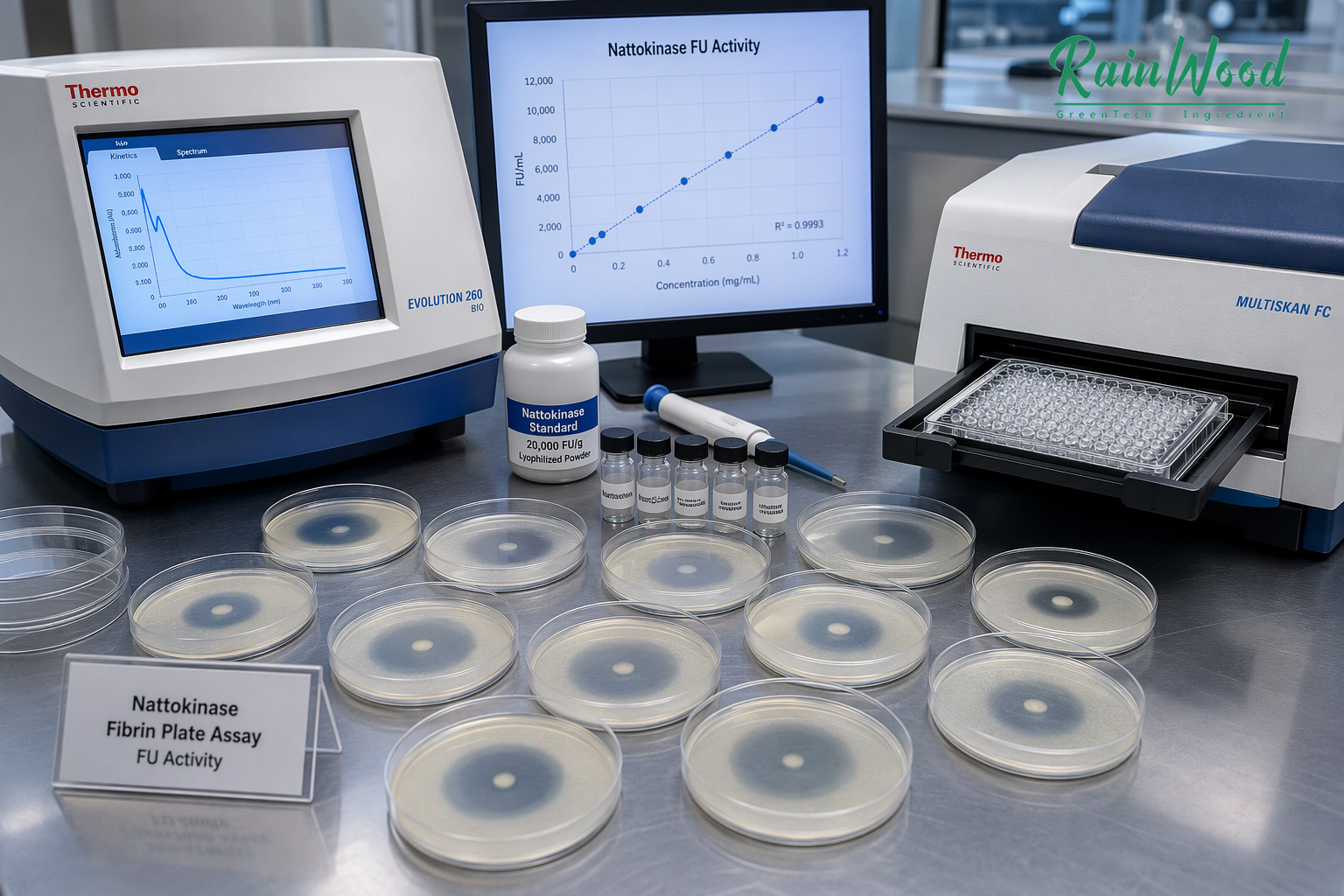
Figure 1: Analytical Biochemistry Laboratory Setup with Multiple Fibrin Plate Lysis Assays for Nattokinase Activity Testing
The same batch can receive different activity numbers
Two laboratories test a nattokinase sample and report different FU values. The supplier says its result is correct. The buyer's laboratory says its method is correct. Both may be operating properly because enzyme activity is method-dependent. The substrate, pH, temperature, reaction time, sample preparation, calibration, and calculation can change the reported number.
The procurement mistake is comparing FU as if it were a universal mass unit. Before choosing a supplier, the buyer needs to know what the unit means, which assay defines it, and whether the methods are bridged.
Common assay approaches answer different questions
Fibrin plate methods use a visible lysis zone and can be intuitive, but they may have larger variability and depend on plate preparation. Fibrinolysis methods can measure clot breakdown under defined conditions. Amidolytic or synthetic-substrate assays can measure protease activity through a color response but may not represent the same fibrin-specific behavior. A review of nattokinase methods notes that no single standard method is automatically applicable to every commercial material.
The buyer should not label one method as universally superior without evidence. The correct question is whether the method is fit for the product decision and whether the supplier and buyer use comparable conditions. The [INTERNAL LINK -> Nattokinase COA Blog] shows how to request the missing method detail.
Why method mismatch creates commercial loss
If a supplier quotes 20,000 FU/g by one method and a competitor quotes 10,000 FU/g by another, the larger number may not represent a more active product. The buyer can overpay, underdose, or reject an acceptable lot. A finished product may also fail a customer or retailer review if the label number cannot be reconciled with the laboratory report.
Method mismatch makes supplier switching risky. A brand can change sources and preserve the same printed FU while changing the assay basis. The apparent continuity is only a number, not demonstrated activity equivalence.
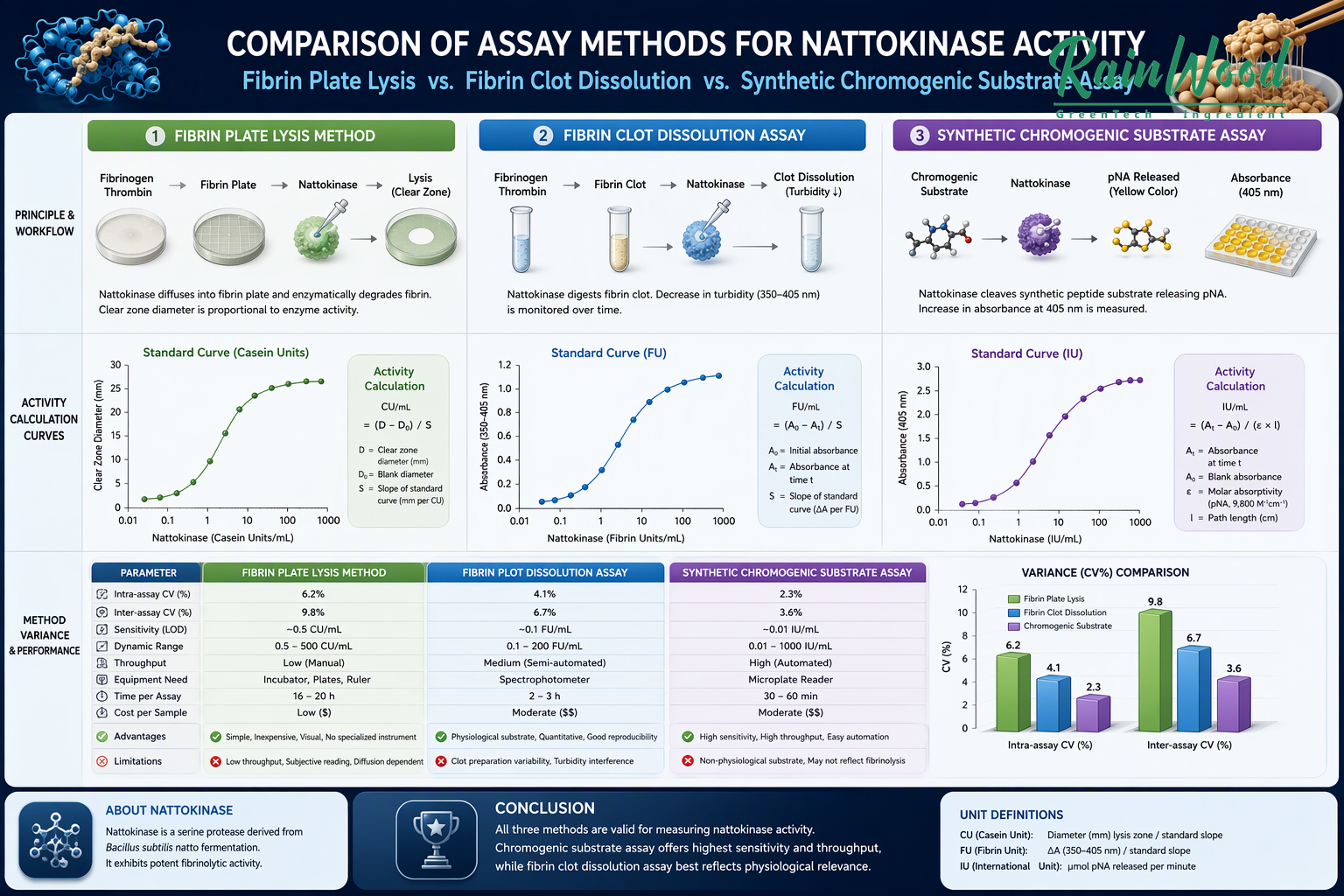
Figure 2: 3D Infographic Comparing Fibrin Plate vs Fibrinolysis Clot Lysis vs Synthetic Chromogenic Substrate Assays
Build a method-comparison package
Request assay principle, substrate, pH, temperature, reaction time, sample preparation, reference or calibration, calculation, reporting unit, repeatability, and acceptance limit. Ask whether the result is per gram as-is or dry basis. Request a representative chromatogram, lysis image, or method summary where appropriate.
For a new supplier, test a retained sample by both methods and document the relationship. Do not create a conversion factor from one or two samples without sufficient data. If the product is a finished capsule or sachet, verify method recovery in the matrix. Flavor, carrier, coating, and excipients may interfere.
Activity and identity remain separate
Even a well-controlled FU method measures activity under conditions. It does not prove all identity, purity, source, or absence of other proteases. Combine method-specific activity with identity and contaminant controls. The [INTERNAL LINK -> Nattokinase Identity Blog] explains the full product identity chain.
How RainwoodBio can support method normalization
RainwoodBio publishes quality testing and release, raw-material supplier management, requirement confirmation, process control, and traceability. It also publishes laboratory equipment and OEM support. These are company-published capabilities, not proof that every nattokinase lot uses one named assay. The buyer should request the exact method, product scope, lot report, and finished-unit verification.
Assay approval gate
Before comparing offers, confirm:
- what one FU means in each report;
- which substrate and conditions are used;
- whether the methods are specific and comparable;
- whether results are as-is or dry basis;
- how the method works in the finished matrix;
- what happens when buyer and supplier results disagree.
Request a [INTERNAL LINK -> Nattokinase Method Bridging Review] [INTERNAL LINK -> Contact Us Page] with two COAs, the methods, target activity, and finished format.
Design a method-bridging exercise
Send the same retained sample to the supplier laboratory and the buyer laboratory. Record sample preparation, dilution, substrate, pH, temperature, reaction time, standard, calculation, and reporting basis. Compare repeatability and the relationship between results rather than choosing the larger number. If the results cannot be reconciled, keep the lot on hold while the parties decide which method controls release.
The bridge should use more than one representative sample if the brand is qualifying a new supplier. A single sample can create a false conversion factor. Include low, typical, and high activity lots where available. The output should become a controlled method note attached to the specification, not an informal email.
When the product moves into a capsule, tablet, or stick pack, verify recovery in the finished matrix. Excipients and flavors can change extraction or detection. The raw-material bridge is not automatically a finished-product bridge.
What to record in a method agreement
The method agreement should identify the assay principle, substrate or fibrin system, pH, temperature, reaction time, sample concentration, blank, standard, calculation, unit, and acceptance limit. It should state whether results are reported on an as-is or dry basis and whether the method is used for raw material, blend, capsule, tablet, or stick pack.
Define what happens when results disagree. The parties may repeat the test, send a retained sample to an agreed laboratory, compare system suitability, or open a deviation. They should not simply choose the more favorable result. A documented resolution protects the buyer from overpaying and protects the supplier from an unjustified rejection.
Review the agreement whenever the enzyme source, package, matrix, instrument, or method changes. A method that works for a dry powder may need recovery and specificity checks in a flavored or coated product. That is not a failure of the original method; it is a reminder that a method answers a defined question.
A buyer comparison worksheet
For every supplier, record the method title, substrate, pH, temperature, reaction time, sample dilution, blank, standard, calculation, unit, and release limit. Record the laboratory, date, lot, and as-is or dry-basis convention. Then identify what can be compared directly and what requires bridging.
Ask the supplier to provide one representative raw sample and one finished-product sample. A method that works on a purified powder may not work on a capsule containing starch, coating, flavor, or botanical material. Recovery, specificity, and repeatability should be reviewed in the actual matrix. This worksheet gives procurement a clear reason to pause a low price or a high FU claim until the method is understood.
Frequently asked questions
Is a fibrin plate result the same as a synthetic-substrate result?
Not automatically. They may reflect different activity questions and conditions.
Can a supplier convert one FU method to another?
Only with an evidence-based bridging study using representative samples.
Should every lot use the same method?
Consistency is valuable, but the method must also be fit for the material and market decision.
Does method standardization prove finished-product activity?
No. The finished matrix and package may require separate verification.
Conclusion
FU is meaningful only when the method behind it is visible. Normalize assay conditions before comparing suppliers, changing sources, or printing a number that customers will treat as a quality promise.
Disclaimer: This article is for B2B procurement and analytical planning. It is not medical advice and does not establish that nattokinase treats, prevents, or cures disease.

Figure 3: Analytical Biochemist in Cleanroom Laboratory Validating Nattokinase Enzymatic Activity Standards with Precision Pipettes
References
- https://pmc.ncbi.nlm.nih.gov/articles/PMC9312984/
- https://pmc.ncbi.nlm.nih.gov/articles/PMC6116739/
- https://www.rainwoodbio.com/oem
Explore RainwoodBio Nattokinase & Cardiovascular OEM Solutions
- Custom Nattokinase Enteric & Delayed-Release Capsules – Gastric-acid protection preserving 2,000~20,000 FU/g enzyme activity for optimal systemic absorption.
- Nattokinase Lipid Softgels & Cardiovascular Blends – Synergistic co-formulations with CoQ10, Phytosterols, Garlic Oil, and Vitamin K2-free options.
- Nattokinase Sachet Stick Packs & Functional Powders – Convenient single-serve sachet stick packs with premium taste masking and high moisture barrier.
- OEM / ODM Contract Manufacturing Services – cGMP certified high-potency blending, blister packaging, and US/EU/Amazon regulatory compliance dossiers.
- Contact RainwoodBio Technical Sales – Request Nattokinase CoA (FU/g assay certificates), stability test protocols, pilot samples, or custom quotation.
Table of Contents
- The same batch can receive different activity numbers
- Common assay approaches answer different questions
- Why method mismatch creates commercial loss
- Build a method-comparison package
- Activity and identity remain separate
- How RainwoodBio can support method normalization
- Assay approval gate
- Design a method-bridging exercise
- What to record in a method agreement
- A buyer comparison worksheet
- Frequently asked questions
- Conclusion
- References