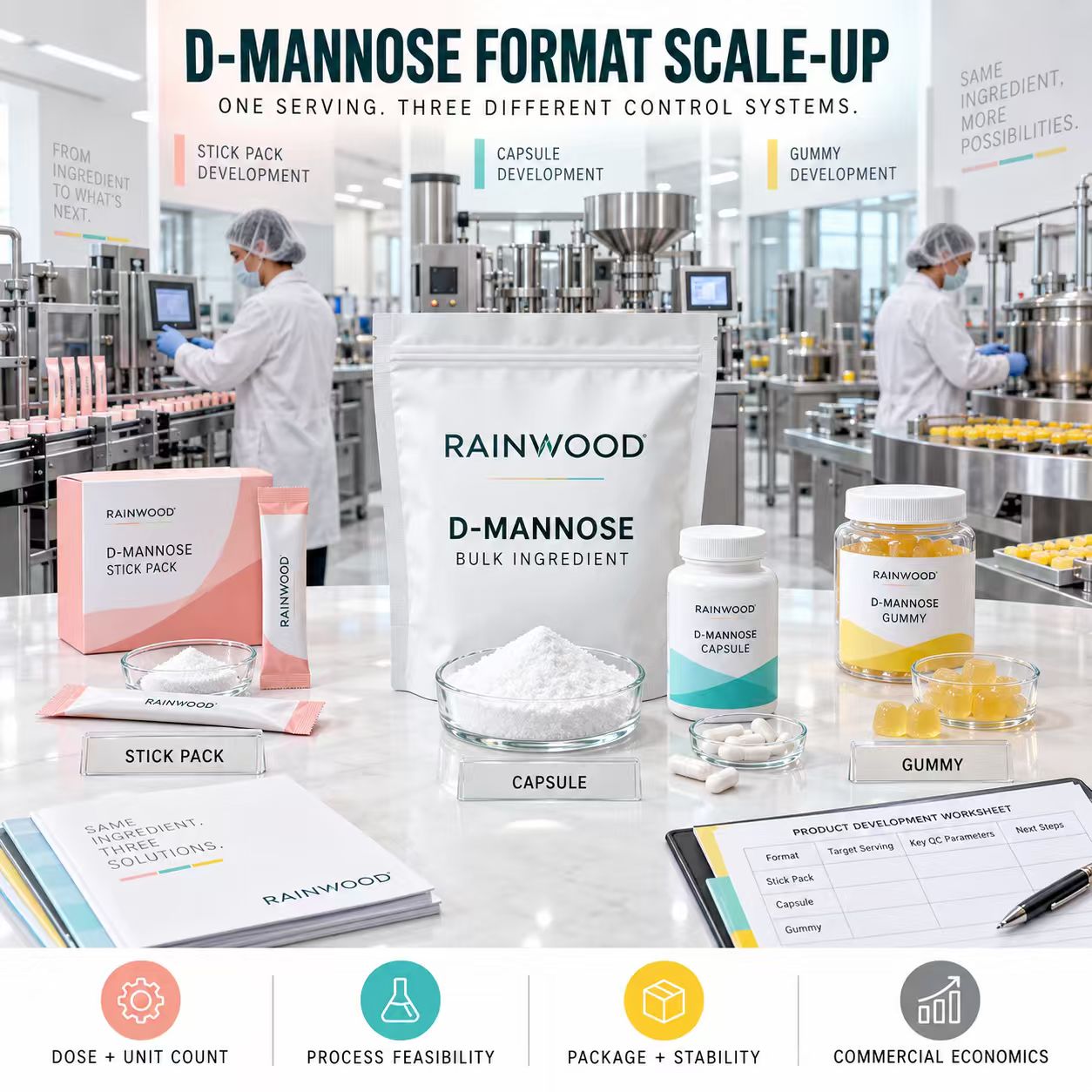
The marketing team wants a gummy because it is easy to promote. The formulator points to the gram-level serving and asks where the active will fit. Purchasing prefers capsules because the supplier already has a bottle. The decision is delayed until p...
VIEW MORE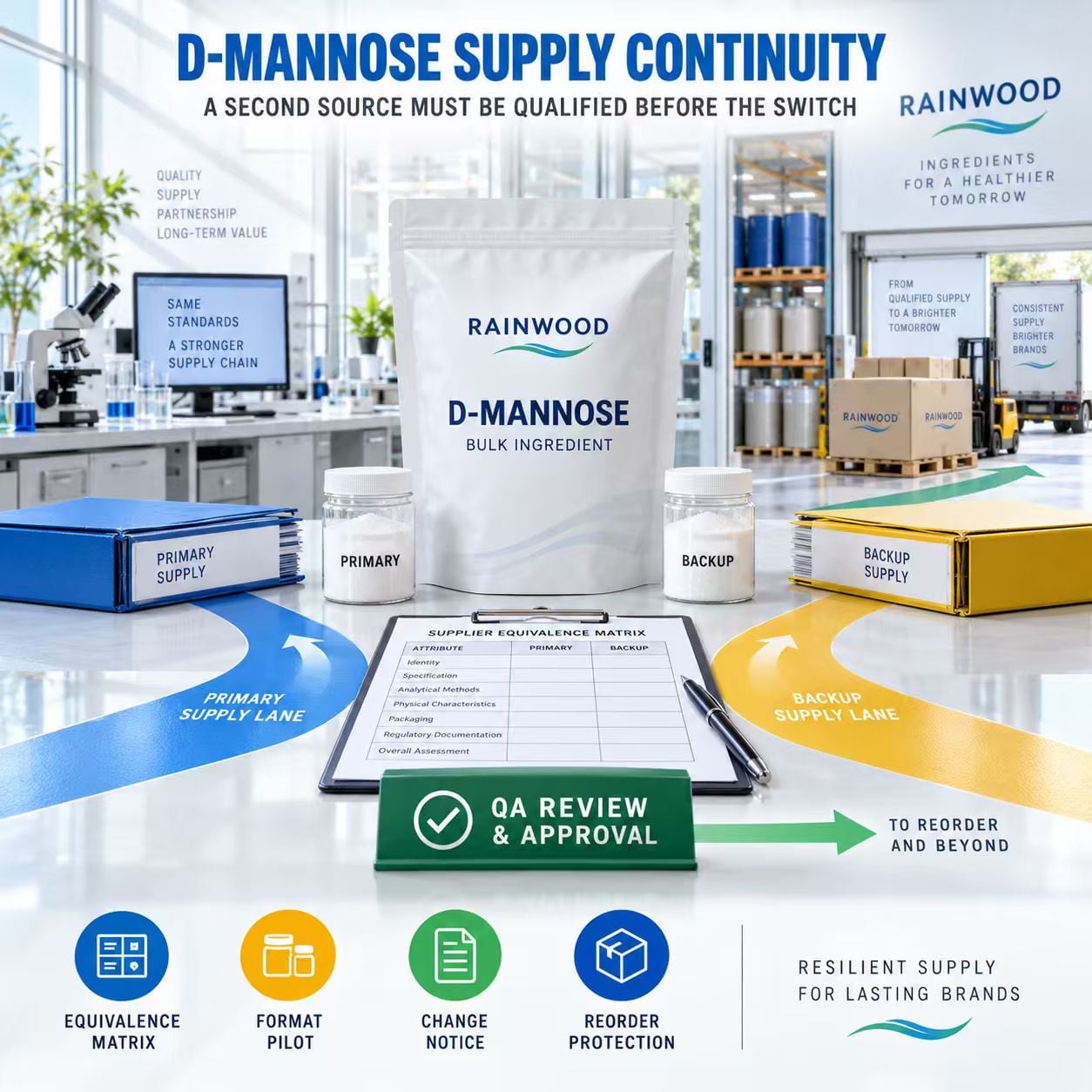
The first D-mannose order arrives on time. The brand launches. Reorders grow. Then the supplier changes the manufacturing site, the particle size, or the packaging without a clear notice. The COA still says 99%, but the powder no longer fills the sam...
VIEW MORE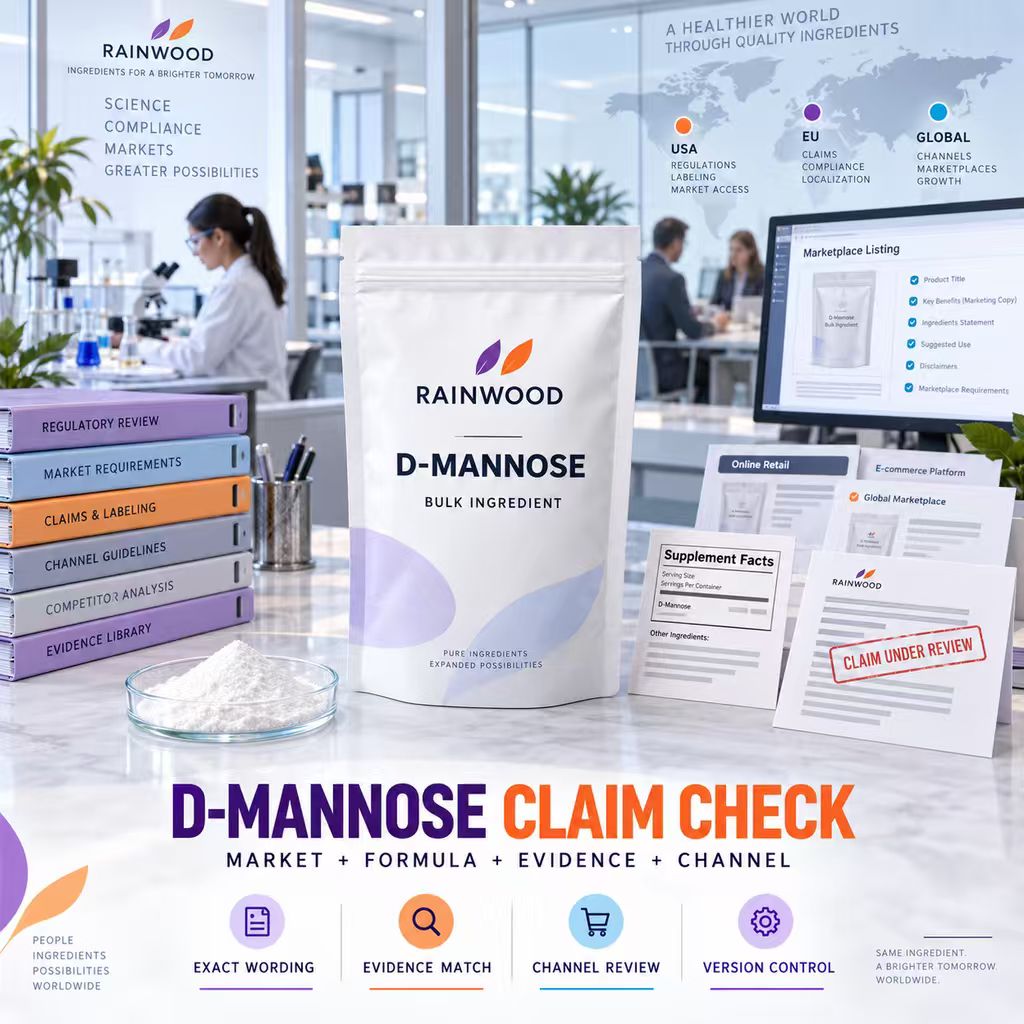
The marketplace listing says “supports urinary tract health.” The social post says “helps prevent UTIs.” The distributor asks for clinical proof. The same D-mannose formula now has three different claim levels—and three ...
VIEW MORE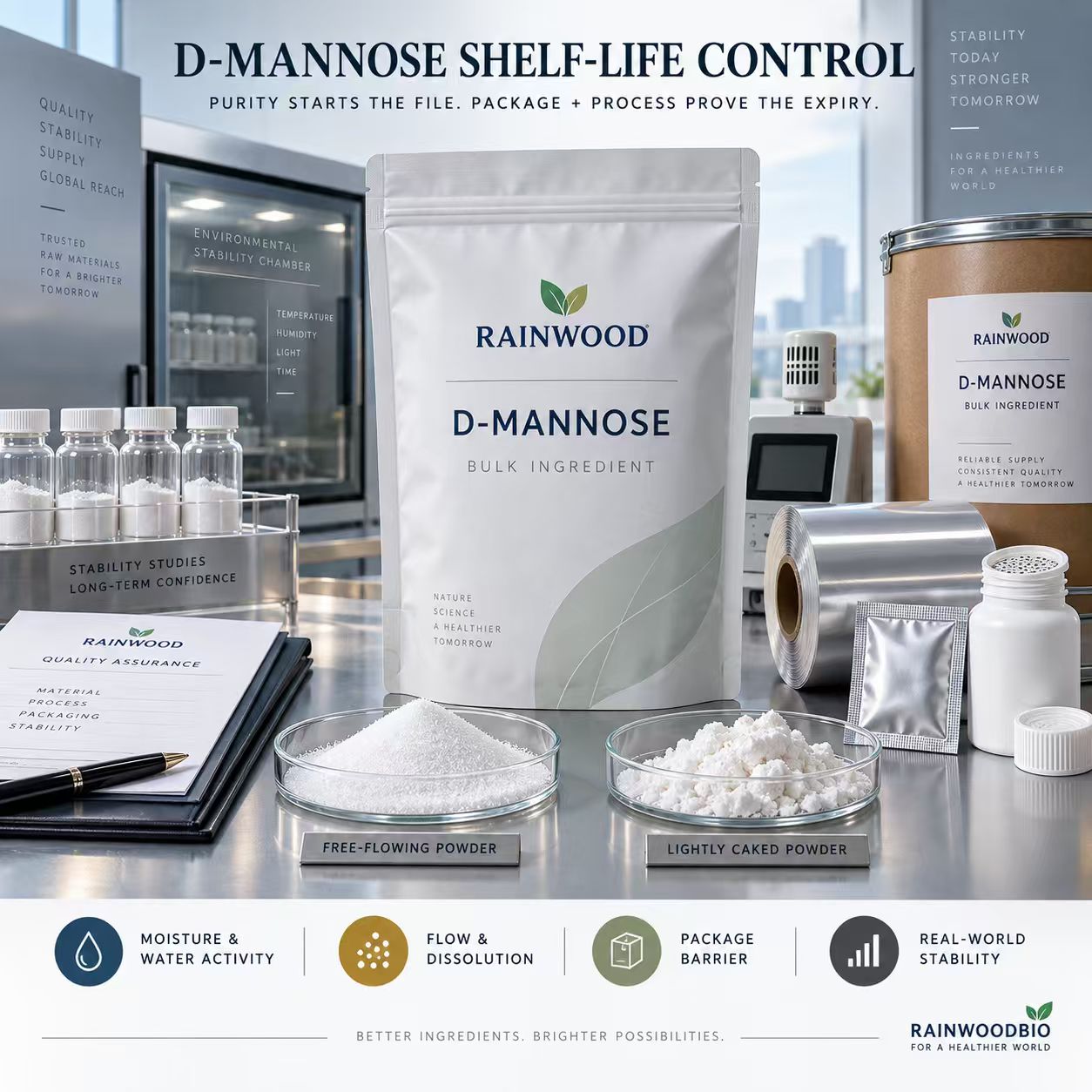
The incoming D-mannose tests at 99.5%. The brand prints a two-year shelf life. Eight months later, the powder cakes inside the pouch and the capsule line begins rejecting fills. Starting purity is useful. It is not a shelf-life study. D-mannose stabi...
VIEW MORE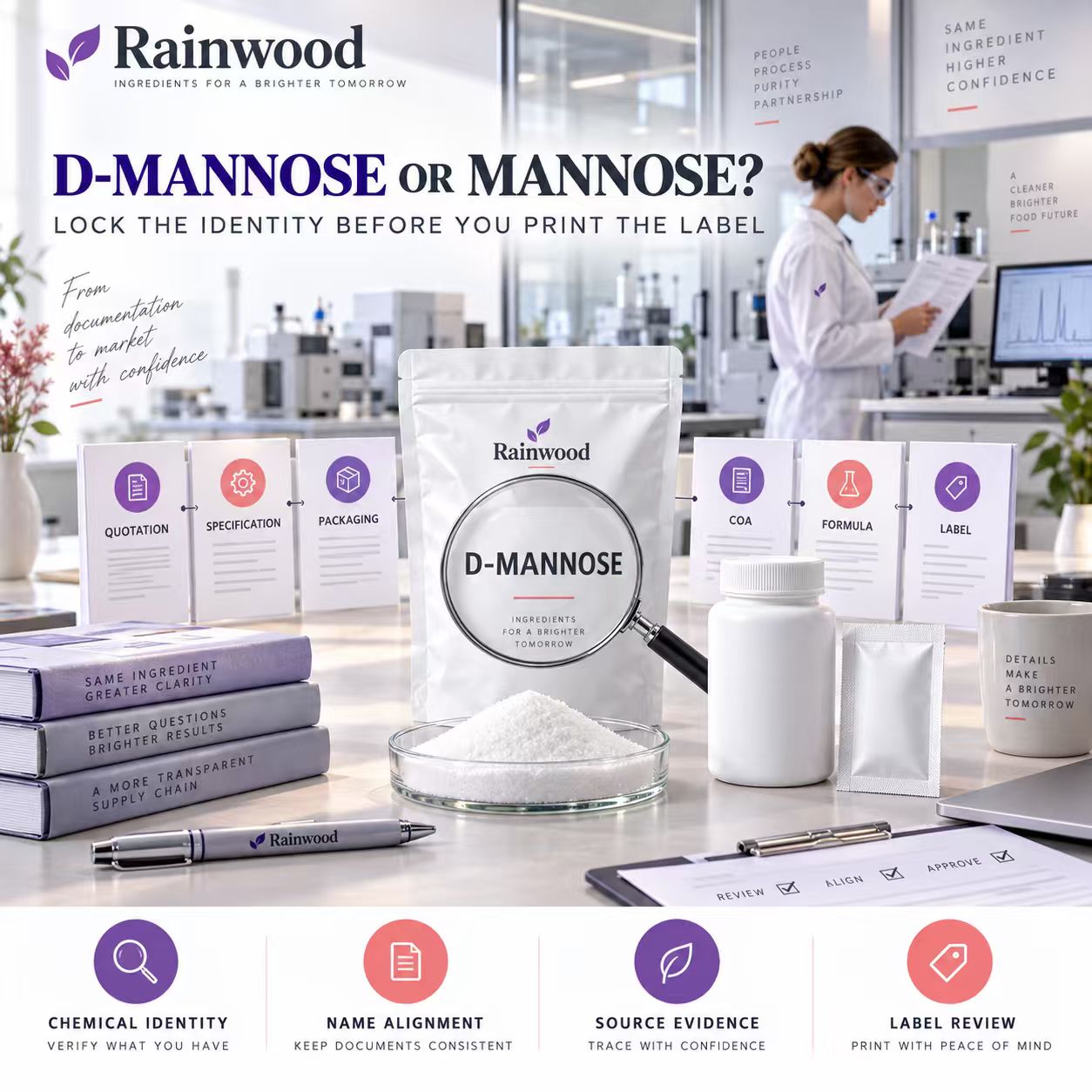
The supplier quotation says “mannose.” The product developer writes “D-mannose.” The artwork team shortens it again to “mannose powder.” Everyone assumes they are discussing the same ingredient until customs, a ret...
VIEW MORE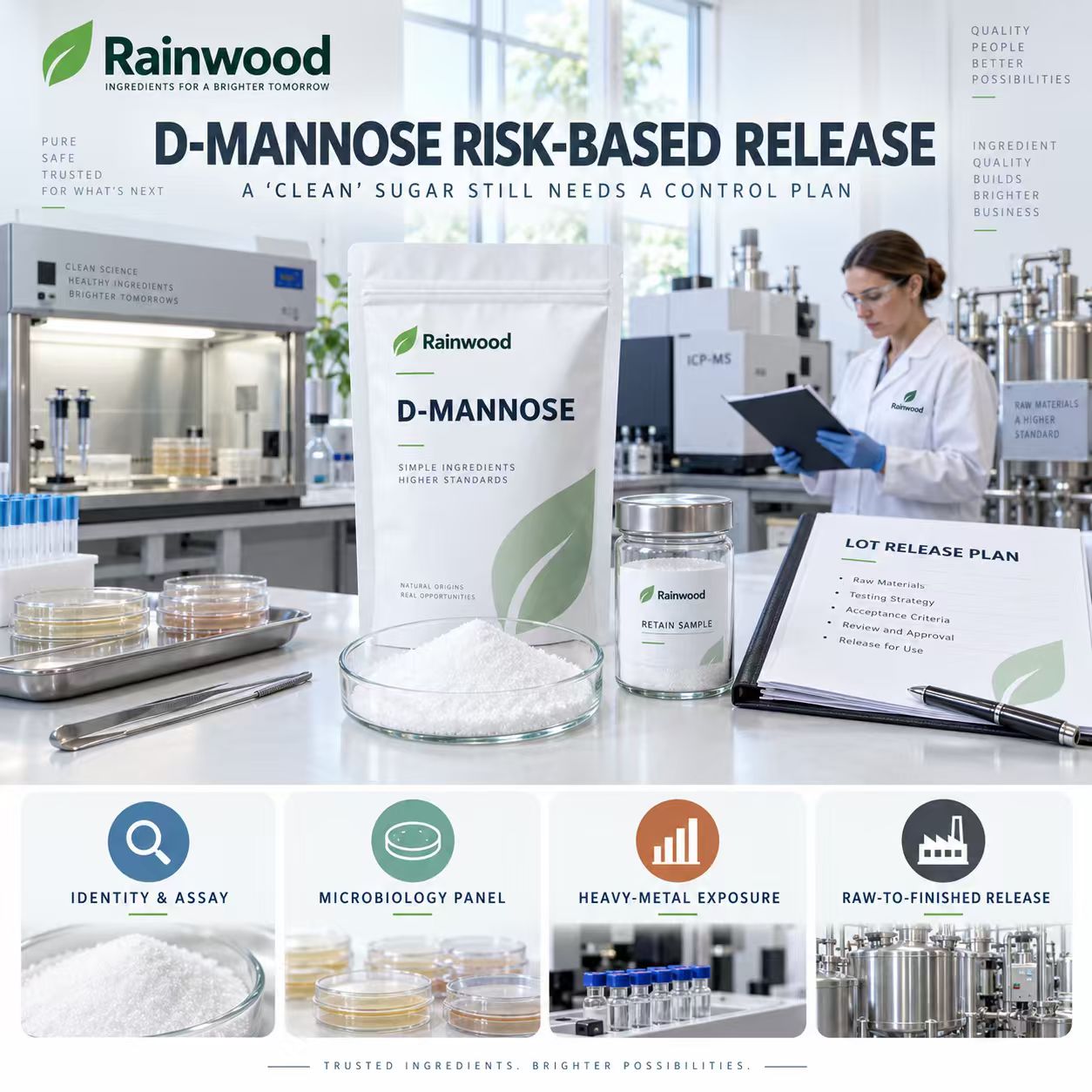
The supplier says D-mannose is a clean, crystalline sugar and sends an assay result. Your QA manager asks for microbiology, heavy metals, packaging history, and the finished-product exposure calculation. Purchasing calls the extra tests unnecessary. ...
VIEW MORE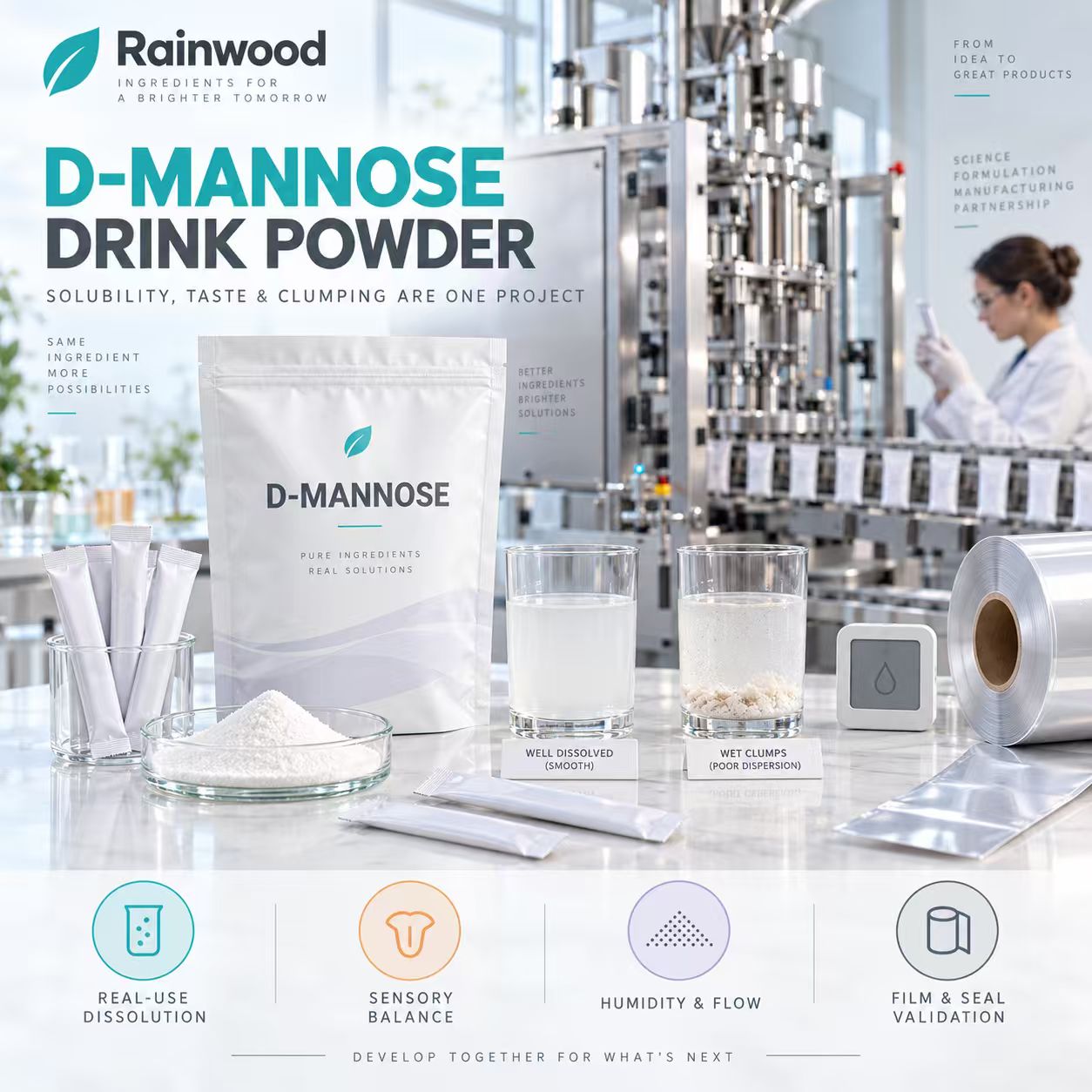
The first bench sample dissolves in a glass. The pilot batch leaves sediment, forms wet lumps around the sachet seal, and tastes much sweeter than the tasting spoon suggested. That is a classic drink-powder mistake: treating solubility, taste, moistu...
VIEW MORE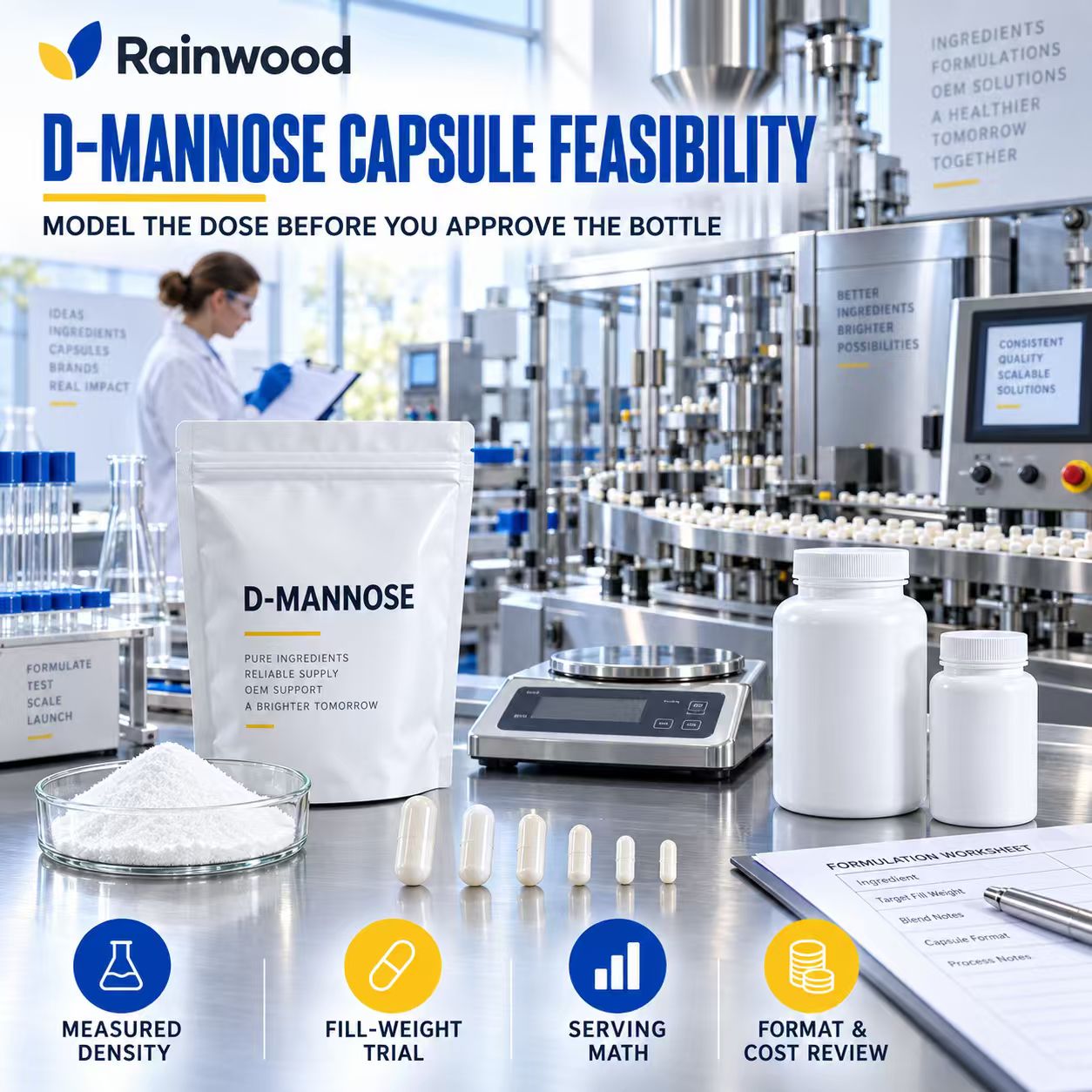
The product team approves a two-capsule serving because the bottle looks clean in the mock-up. The pilot batch needs four capsules. The new serving size raises freight, bottle count, swallowability complaints, and the cost per subscription order. Thi...
VIEW MORE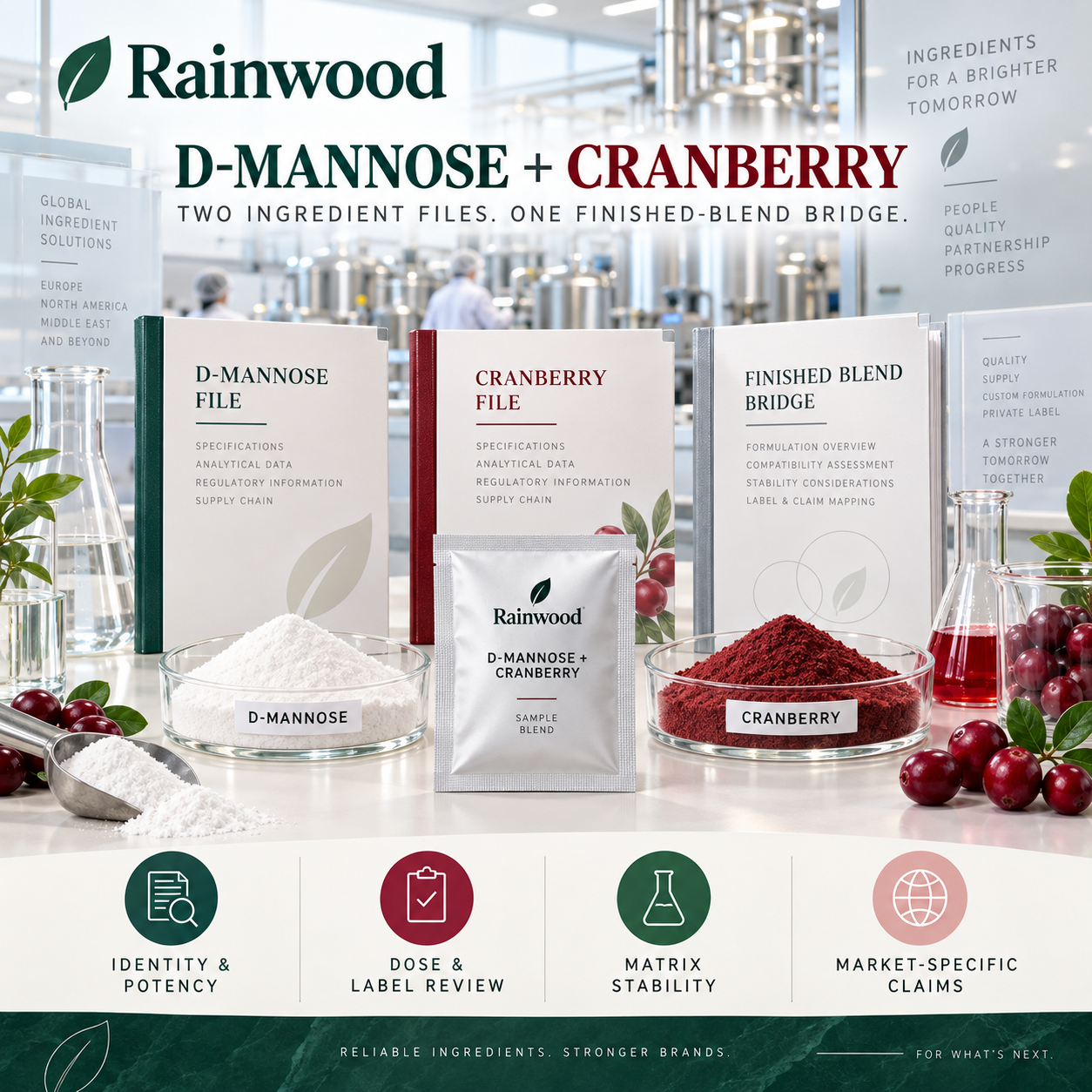
The front panel says “D-mannose + cranberry urinary support.” The raw-material file contains one D-mannose COA, one cranberry extract sheet, and a marketing paragraph that treats the blend as if it were a single ingredient. That shortcut ...
VIEW MORE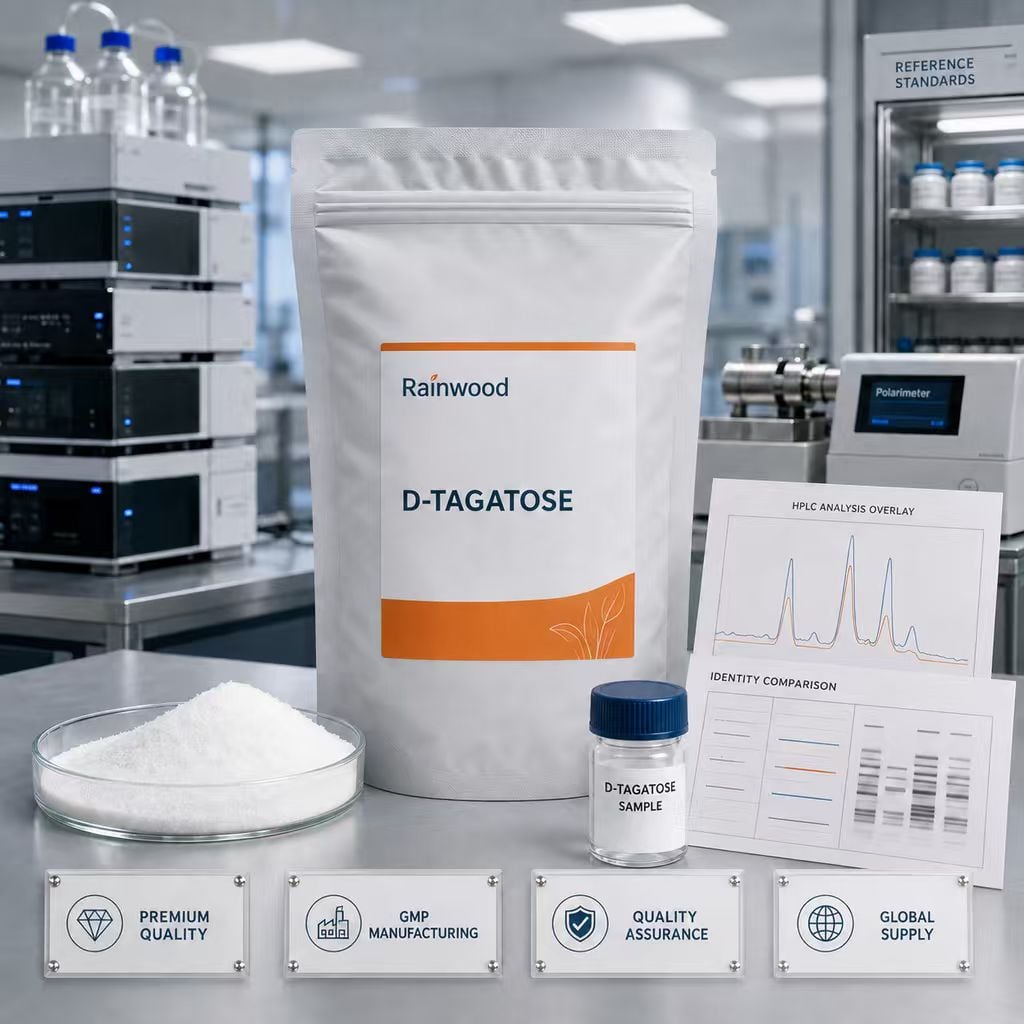
The quotation says “D-tagatose, 99%.” The COA says “assay: 99.2%.” Purchasing approves the order. Then the customs file asks a simple question: what test proved that the material is D-tagatose rather than another sugar with a ...
VIEW MORE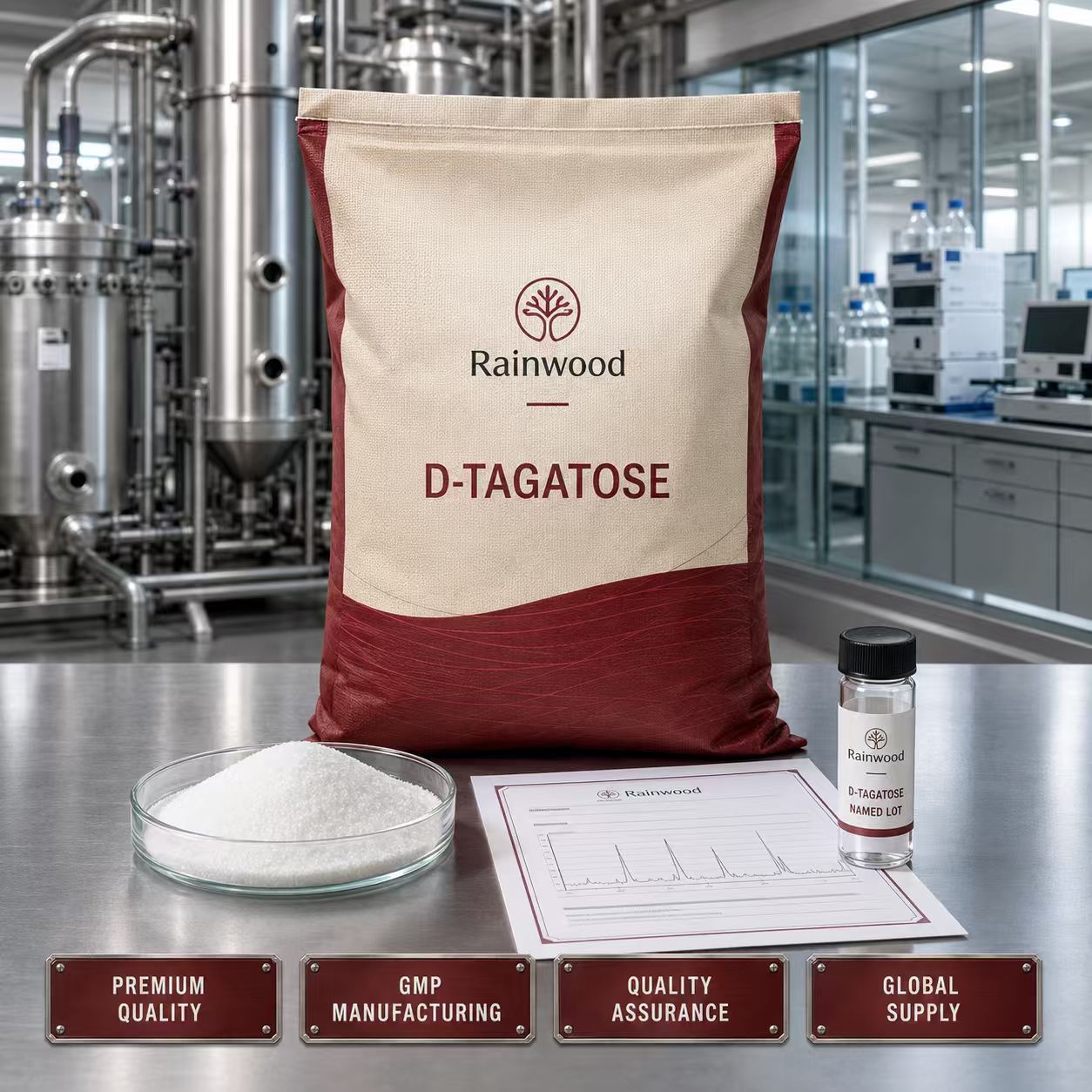
Two tagatose quotations arrive on the same morning. One is 18% cheaper. The supplier says both are food grade and “99% pure.” Purchasing chooses the lower price. At production, the syrup contains a wider related-sugar profile, the powder ...
VIEW MORE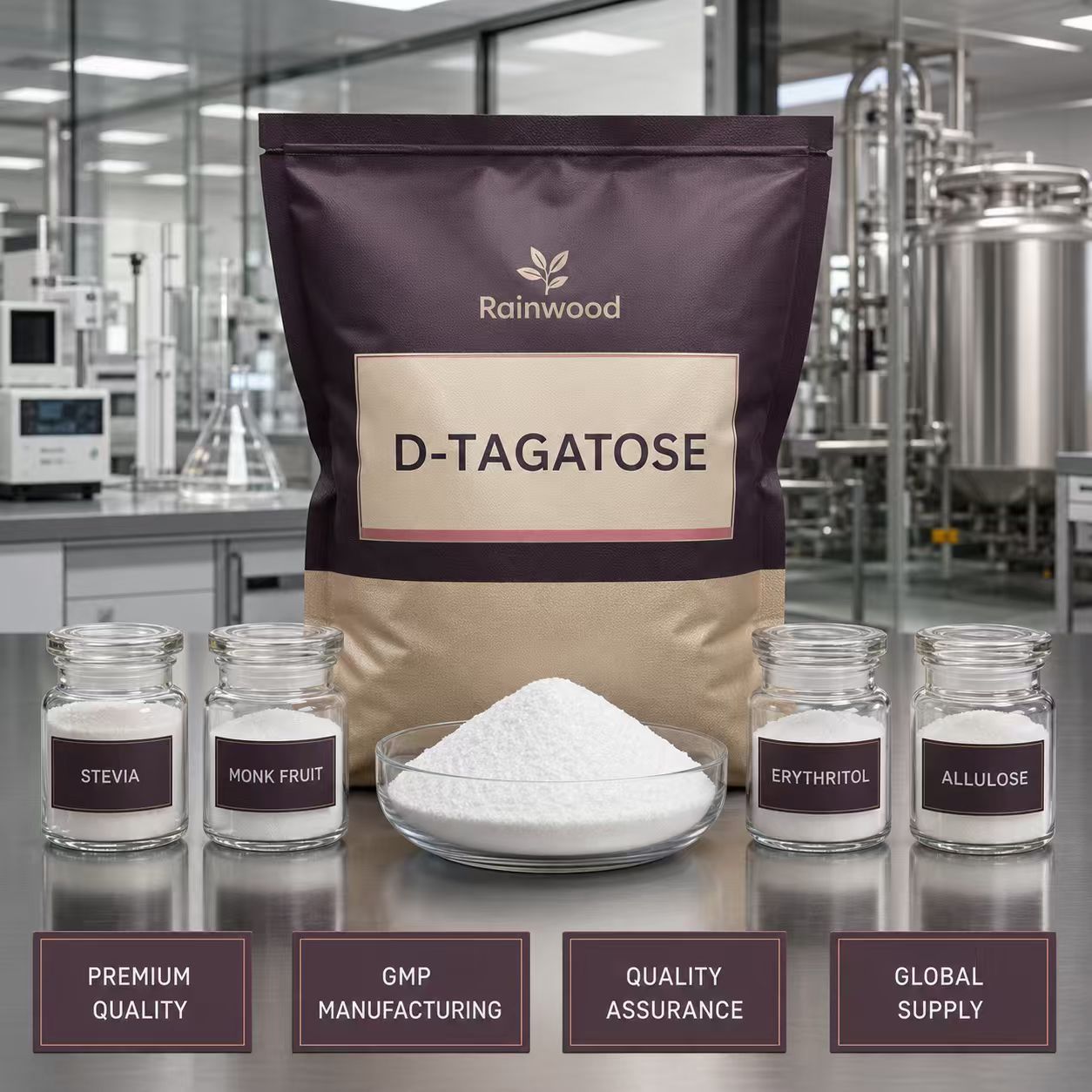
The product brief says “a clean-label rare-sugar blend with no aftertaste.” The supplier adds stevia, monk fruit, erythritol, and allulose to make the sweetness work. The sample tastes good. Then the label team asks for the exact ratio, t...
VIEW MORE
 EN