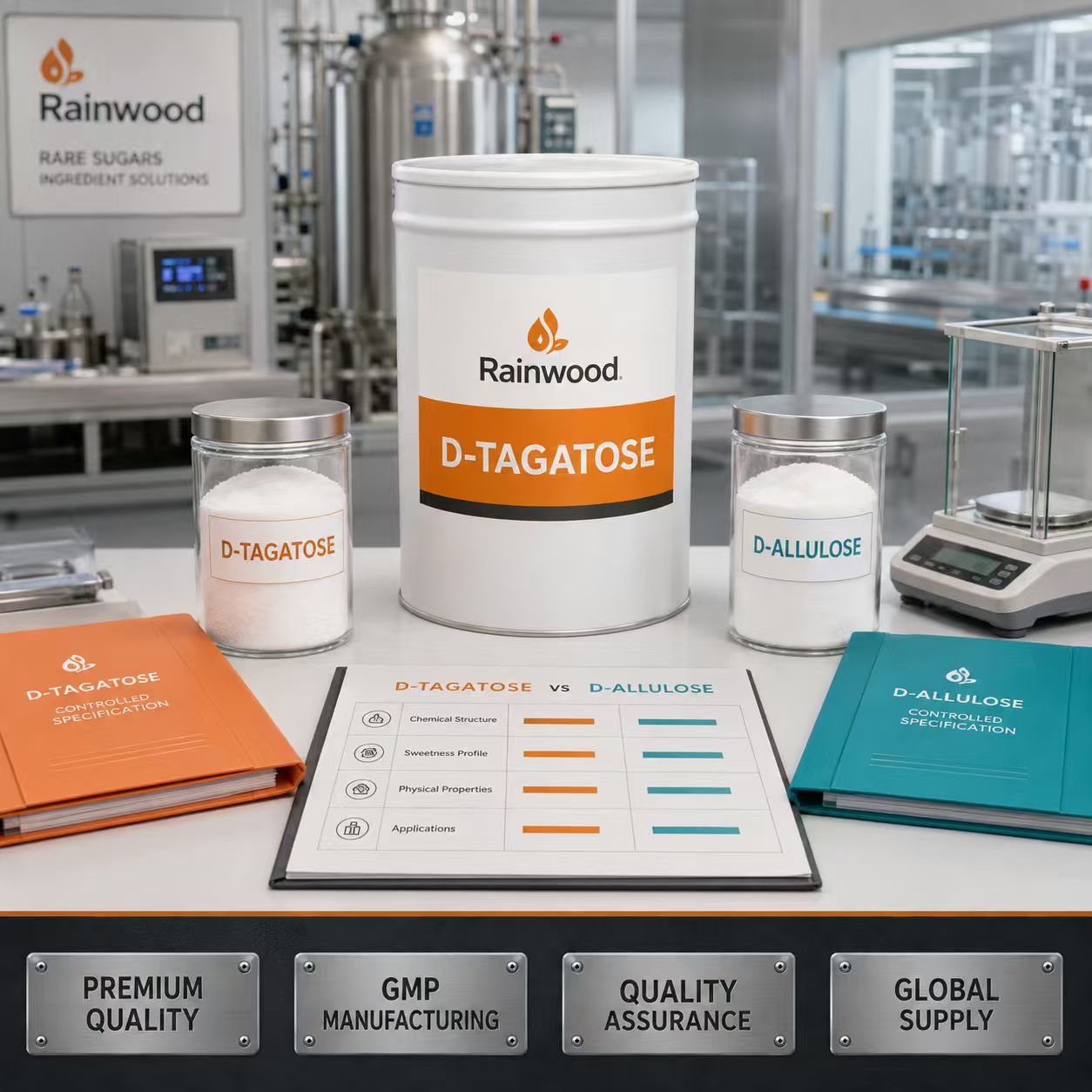
The buyer asks for “a rare sugar with the same low-calorie story as allulose.” The supplier answers with a tagatose quote. The formula team assumes the two ingredients can be swapped. That shortcut can create a launch problem. Tagatose an...
VIEW MORE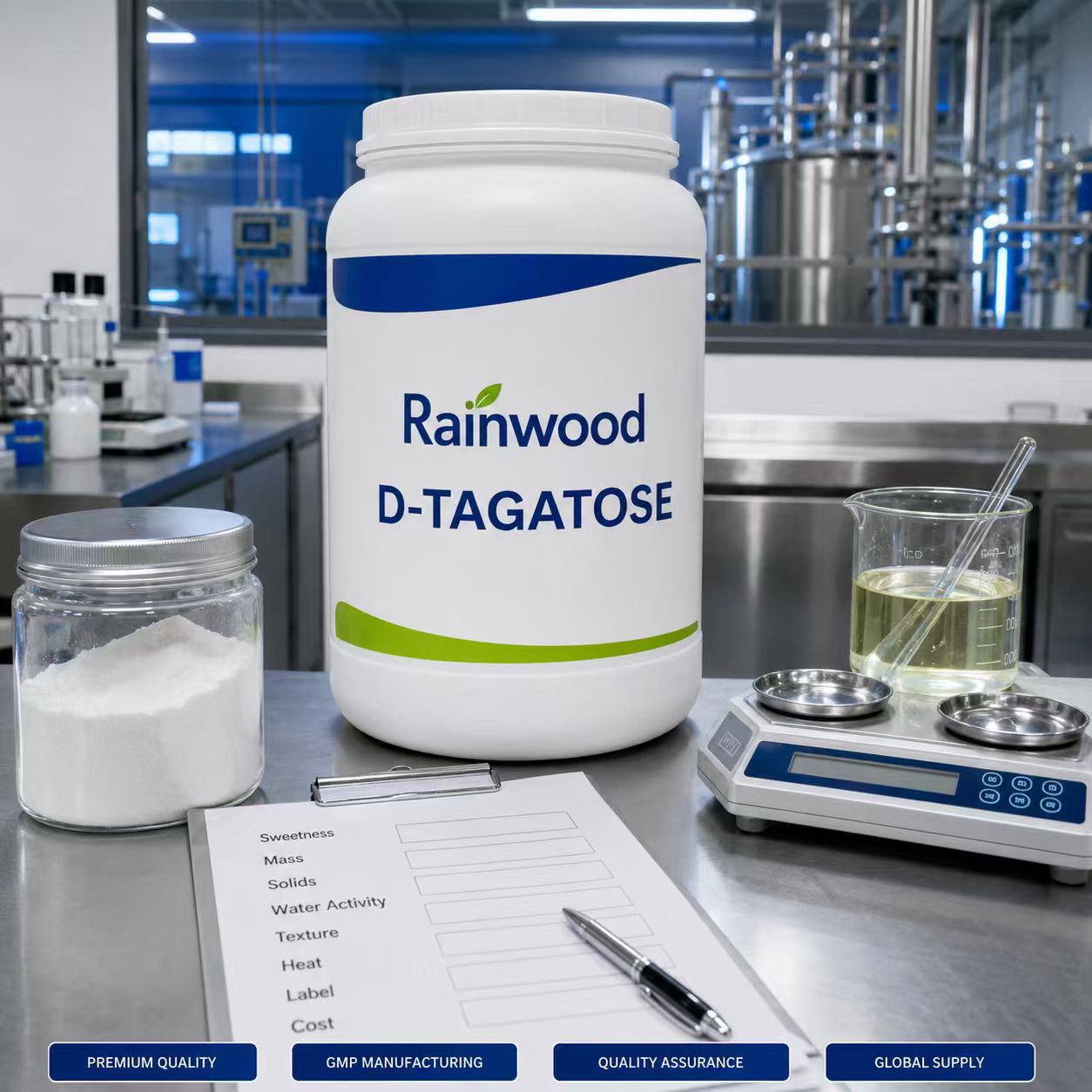
The brief says: “Replace sucrose with tagatose at 1:1.” The first bench sample tastes acceptable. The pilot batch does not set correctly, the beverage body feels thin, and the label math no longer matches the intended serving. The problem...
VIEW MORE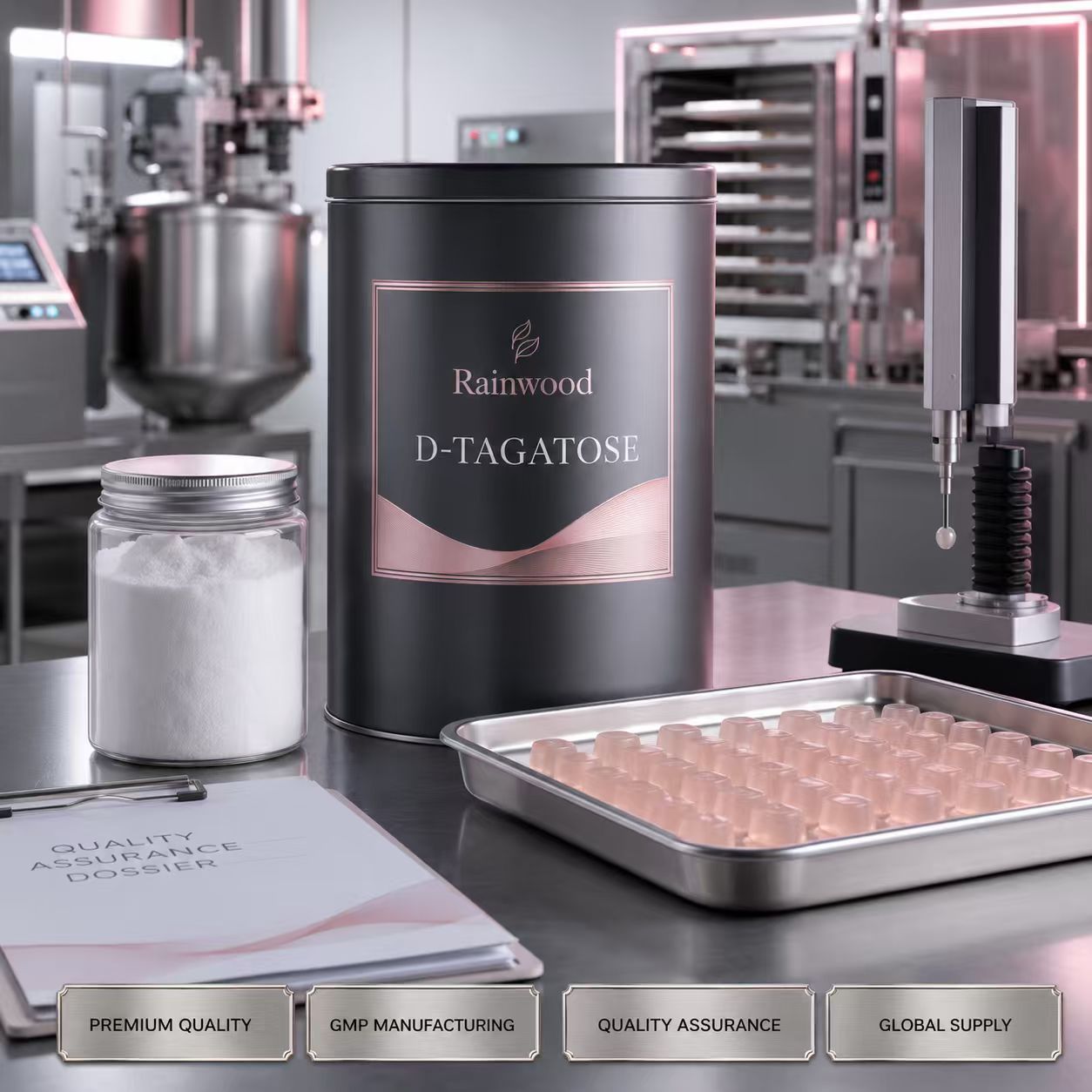
The gummy sample looks bright, clean, and soft. The pilot kettle runs hotter and longer. The finished pieces come out darker, stickier, and less uniform than the benchmark. The ingredient did not fail because the label said tagatose. The formulation ...
VIEW MORE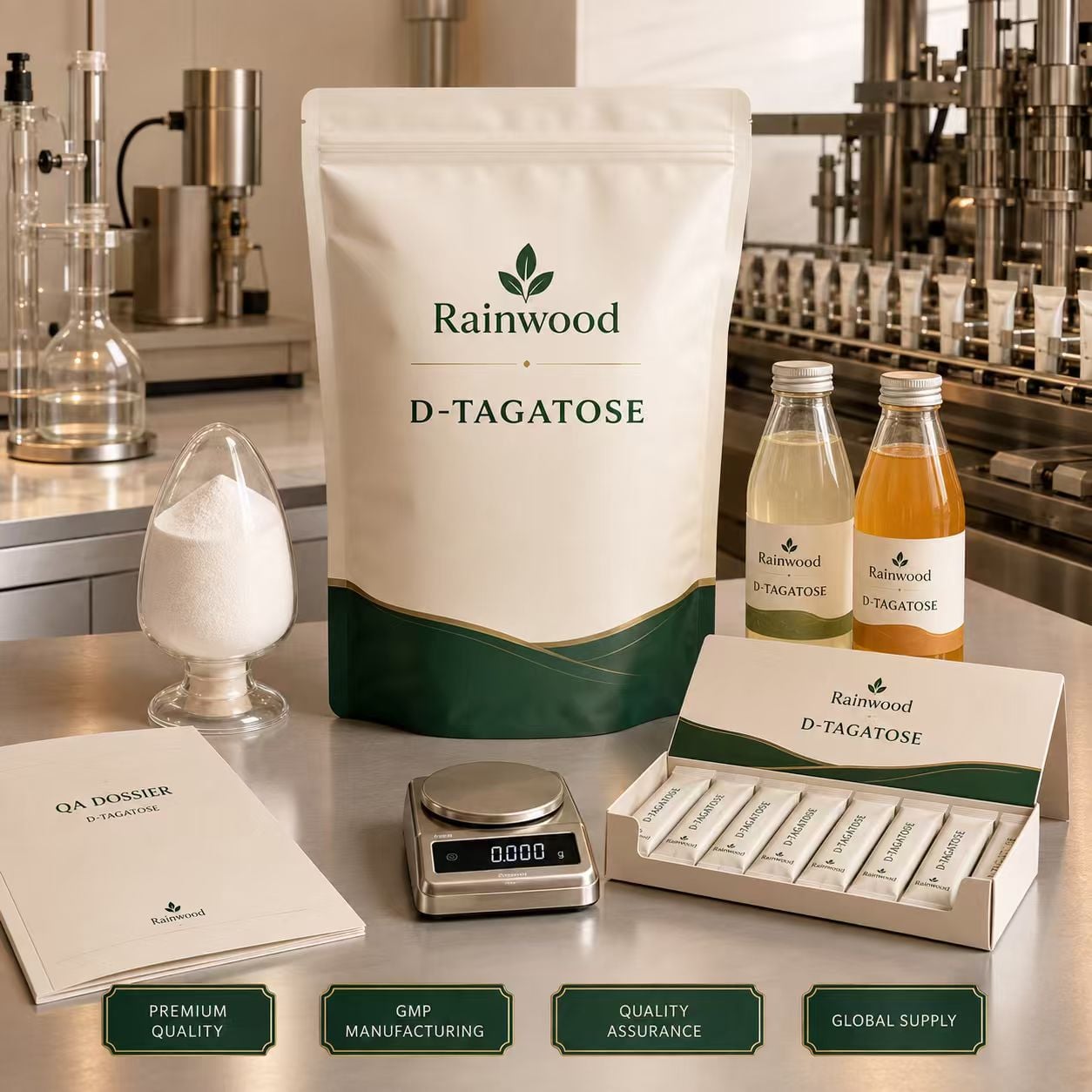
The development sample dissolves in a glass of water. The first export batch forms sediment, the stick packs bridge in the hopper, and the finished beverage changes sweetness after storage. That is not one problem. It is a chain: powder properties, f...
VIEW MORE
The supplier sends a U.S. GRAS reference. The brand plans to sell in Europe. The importer asks whether the same document covers Canada. The answer is not “yes, because tagatose is safe.” Regulatory status, permitted use, ingredient name, ...
VIEW MORE
The sample pours cleanly from a small pouch. It dissolves in the lab cup. The flavor is acceptable. Three months later, the production drum arrives with compacted powder, a different particle distribution, and a filling line that cannot hold the targ...
VIEW MORE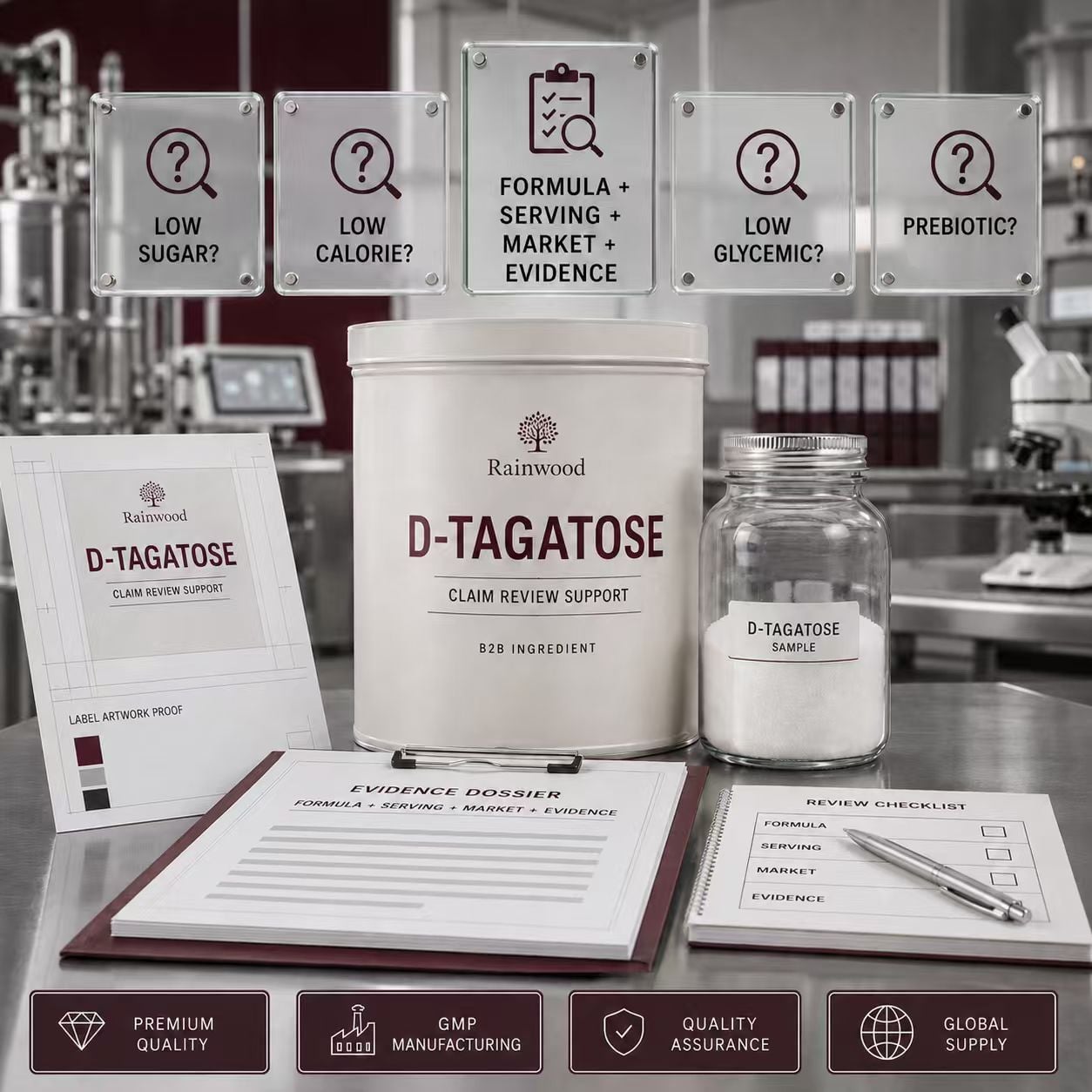
The marketing brief wants four badges: “low sugar,” “low calorie,” “low glycemic,” and “prebiotic.” The raw-material supplier sends a brochure with all four concepts. The brand team assumes the label is...
VIEW MORE
The supplier quote says “tagatose.” The sample arrives as a white powder. The commercial offer is suddenly a liquid concentrate. The price still looks attractive because nobody has converted the two offers to the same basis. That is how a...
VIEW MORE
The COA says “Assay: 99.0% minimum.” The buyer assumes the drum contains 990 kg of usable tagatose per 1,000 kg. But the result is reported on a dry-weight basis, the material carries moisture, and the supplier has not stated whether the ...
VIEW MORE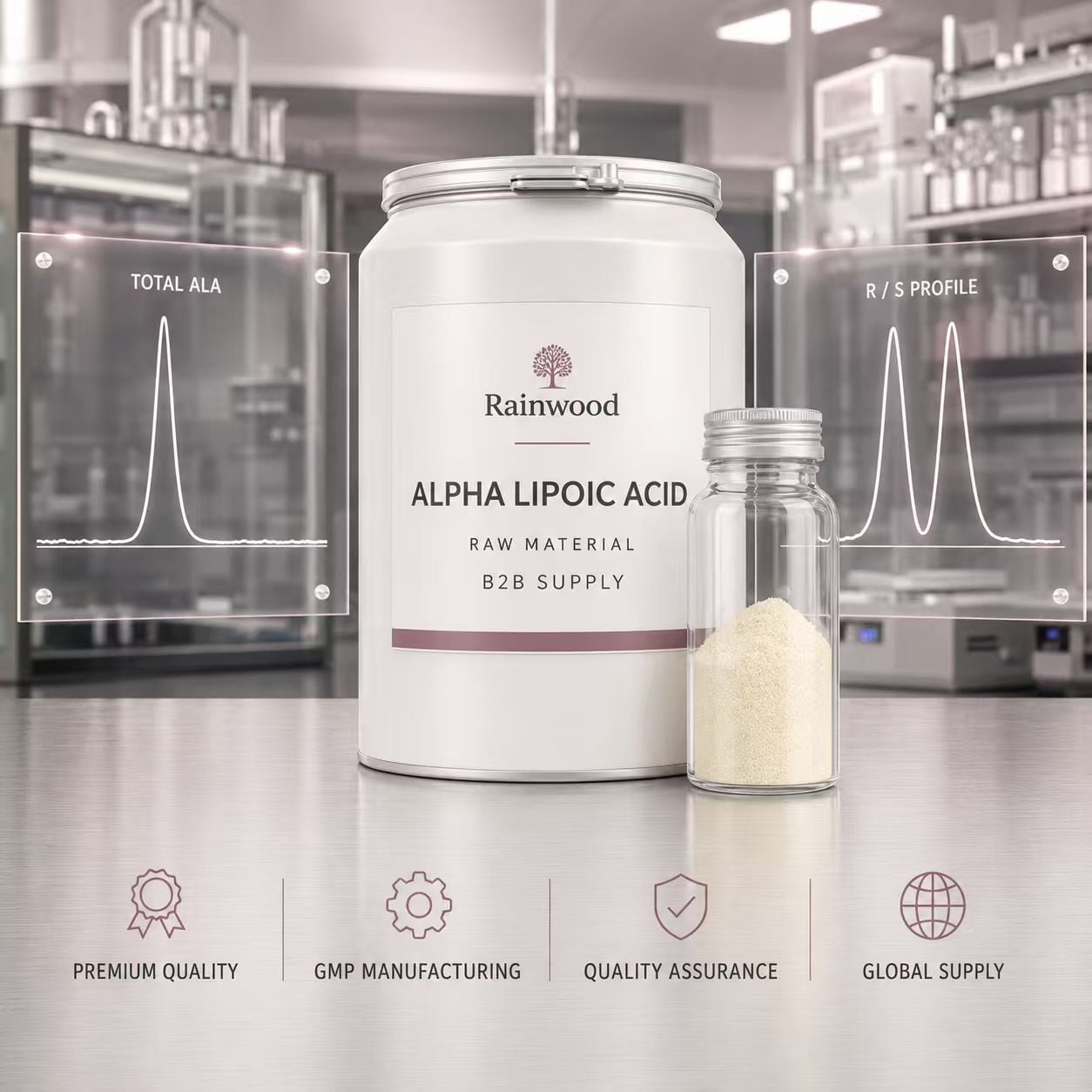
You requested R-alpha-lipoic acid. The supplier sent a COA showing “Assay: 99.4% by HPLC.” Purchasing approved the premium. There is still one unanswered question: **did that HPLC method separate R-ALA from S-ALA? Alpha lipoic acid has a ...
VIEW MORE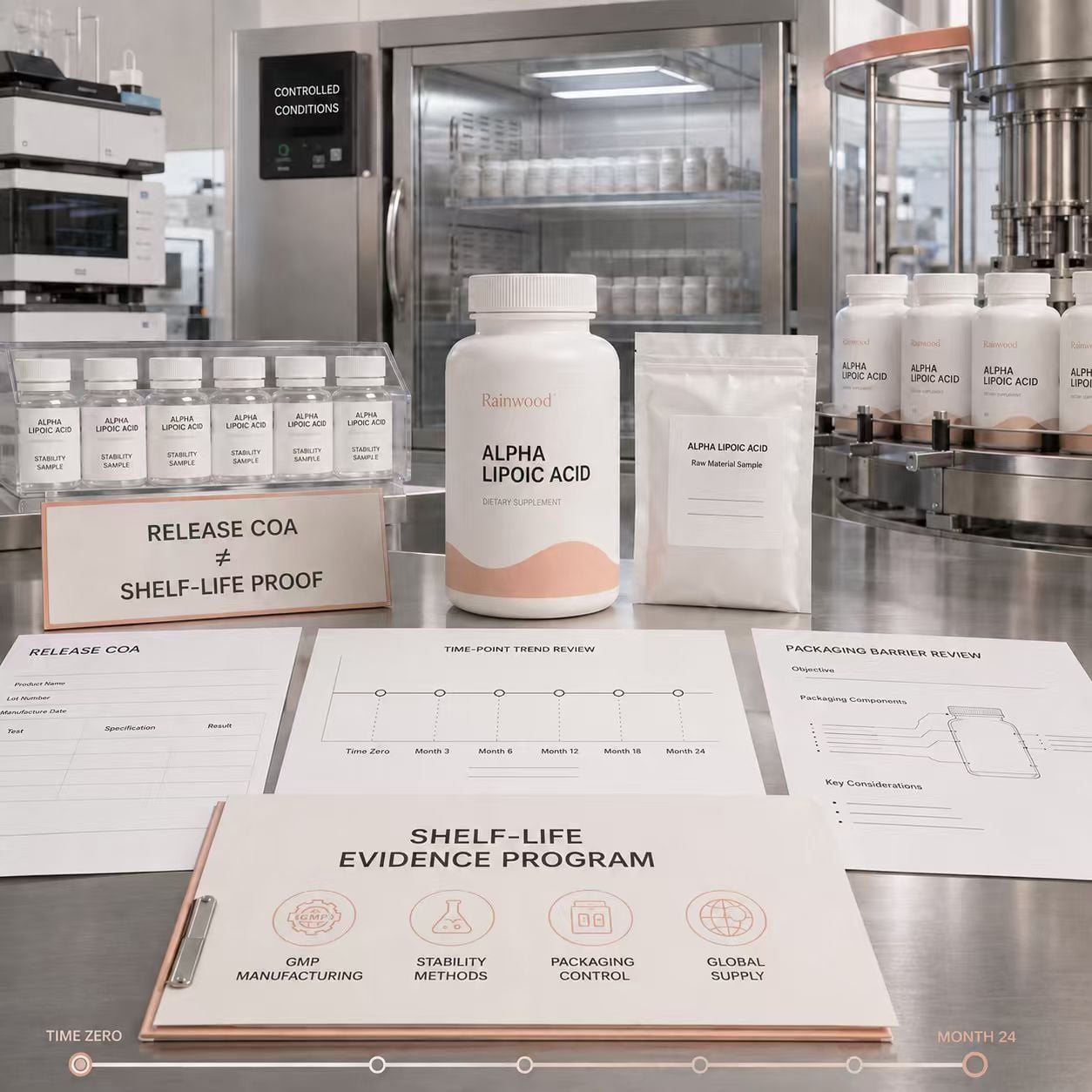
The finished ALA capsules test at 102% of label claim on release. The brand prints a 24-month expiration date. Those two numbers are not a stability study. A release COA tells you whether the tested lot met defined criteria at one point in time. Shel...
VIEW MORE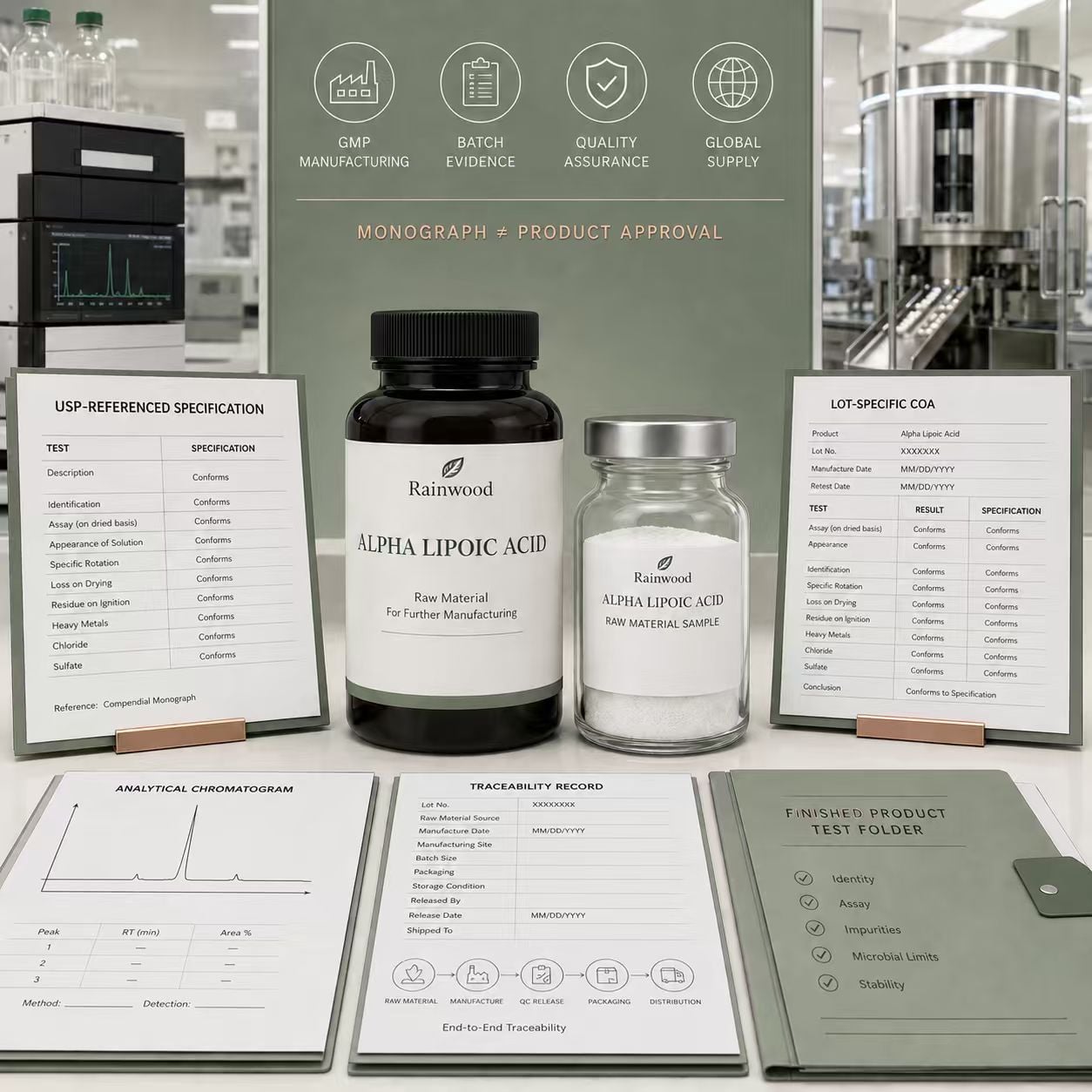
The quotation says “USP Grade Alpha Lipoic Acid.” By the time the phrase reaches the sales team, it has become “USP certified,” “pharmaceutical quality,” and “approved for the U.S. market.” Those are no...
VIEW MORE
 EN