 EN
EN

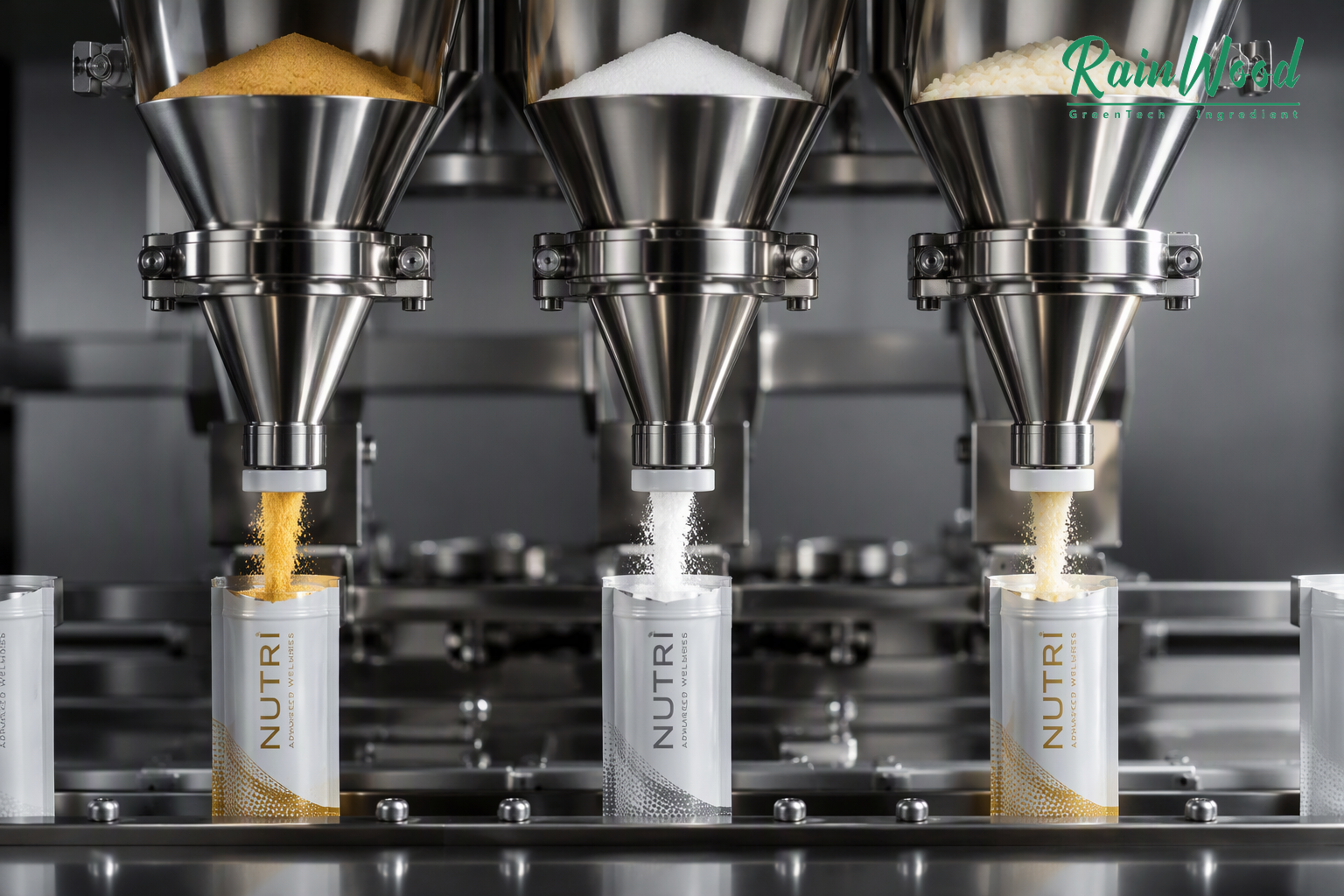
Meta Title: Creatine Electrolyte Stick Pack Powder Flow Guide
Meta Description: Powder flow can slow filling, create weight variation, and increase waste in creatine electrolyte sticks. Learn what buyers should qualify before scale-up.
The formula is approved, the film is printed, and the filling line is scheduled. Then the powder bridges above the auger, dusts into the seal area, and produces sticks with inconsistent weight. The line operator slows the machine, the production cost rises, and the brand misses the launch window.
Powder flow is not a minor factory detail. A creatine electrolyte blend combines particles with different density, shape, size, moisture, electrostatic behavior, and surface properties. The final flow depends on the blend, the environment, the hopper, the auger, the line speed, and the time the powder waits before filling.
Flow starts with the purchased powder
Ask for bulk density, tapped density, particle-size distribution, moisture, water activity where relevant, and a description of the powder’s flow behavior. The supplier may not use the same test equipment as your packer, so compare methods and conditions rather than copying one number.
Use our stick-pack powder flow specification Creatine Electrolyte Stick Pack OEM Services to connect raw-material behavior with the filling machine and target stick weight.
A powder that flows well in a small laboratory funnel may bridge in a commercial hopper. A blend that runs in dry winter air may become sticky in a humid room. Qualification should use the actual finished blend or a representative pilot batch.
The ingredients create different flow problems
Creatine particles
Fine creatine can dust, compact, or create electrostatic behavior. A larger crystal grade may flow differently but settle against lighter flavor and sweetener particles.
Mineral salts
Sodium, potassium, and magnesium salts differ in particle size, density, and hygroscopicity. Some can pick up moisture during holding and form bridges.
Sweeteners and acids
Fine sweeteners and acids can act as dusting materials or bind with moisture. Their ratio to the active powder can change the total flow profile.
Flavors and carriers
Flavor premixes often contain carriers that affect density and cohesion. A flavor change can create a flow change even when the active formula stays constant.
Read the mixing-order and blend-uniformity guide contact us for OEM consultation before adding more flow aid without understanding the cause.
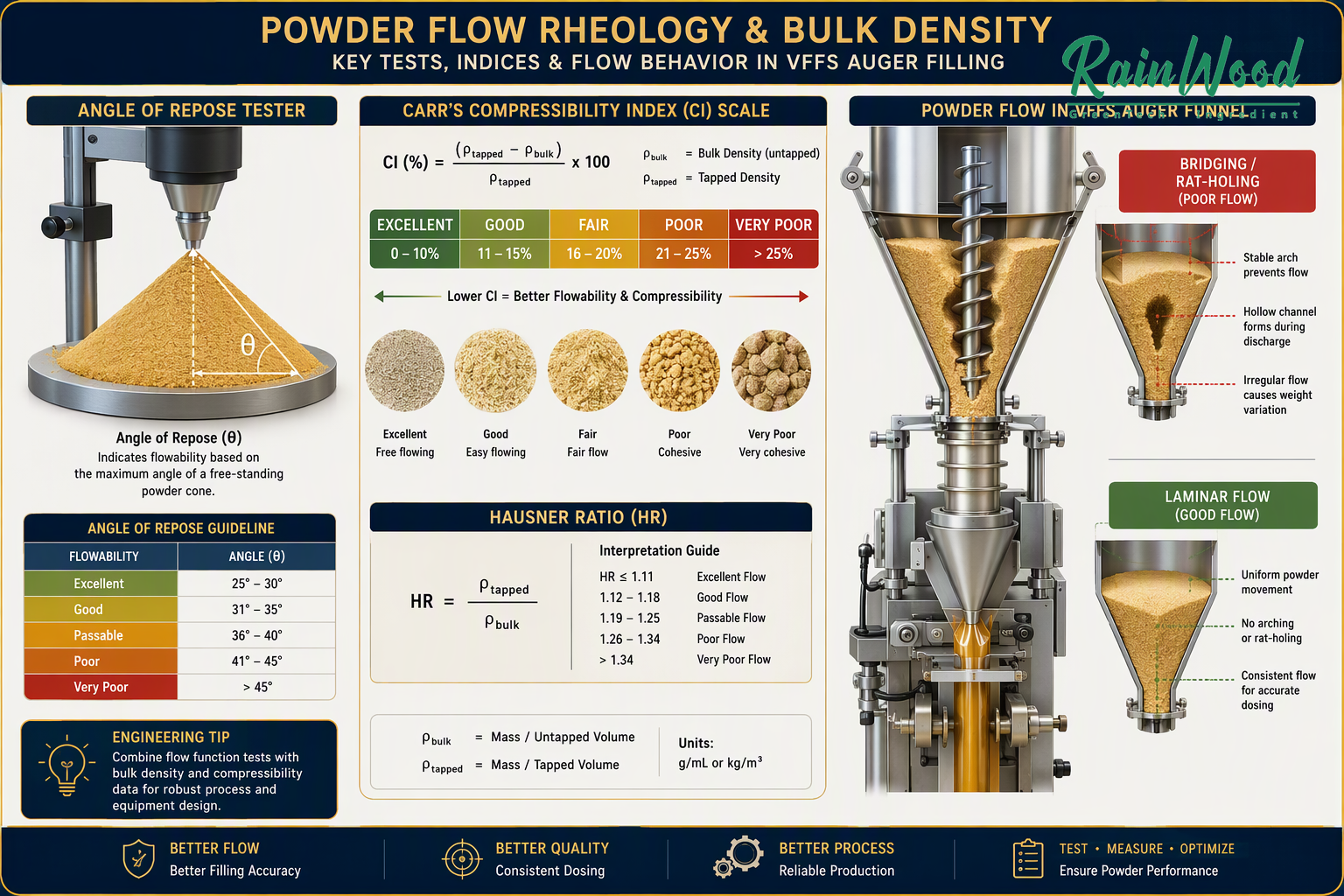
Figure 1: Technical Formulation Specification and Quality Matrix for 30-Count Stick Pack Manufacturing.
Flow problems become dose problems
A slow or unstable line does not only increase labor. It can change fill-weight variation, create underfilled sticks, increase rejected seals, and cause the operator to adjust the machine repeatedly. If the blend segregates while the hopper is being refilled, early and late sticks may also differ in composition.
The buyer loss includes wasted film, lost powder, overtime, rework, and a release investigation. A line that runs at half the expected speed can also make the 30-stick outer pack too expensive for the target Amazon price.
A practical flow trial
Run the commercial or representative blend through the intended equipment at several line speeds. Record:
- hopper level and refill behavior;
- auger or feeder settings;
- fill-weight mean and variation;
- dust and powder in the seal zone;
- bridging, rat-holing, or arching;
- rejected seals and film contamination;
- beginning, middle, and end-of-run performance;
- room temperature and relative humidity.
Do not approve a flow aid or granulation step based only on a visual improvement. Check whether it changes creatine assay, elemental mineral distribution, taste, solubility, or label composition.
The flow-aid trade-off
Silicon dioxide, calcium silicate, starches, and other processing aids may improve movement, but they add mass and may require label disclosure. They can also alter taste, appearance, or the product’s “clean label” positioning. A flow aid may help the filling machine while making the powder harder to dissolve.
Define the problem first. If moisture is causing the bridge, improve environmental control or packaging. If density mismatch is driving segregation, adjust particle size or premix strategy. Do not use more excipient to hide a source or process change.
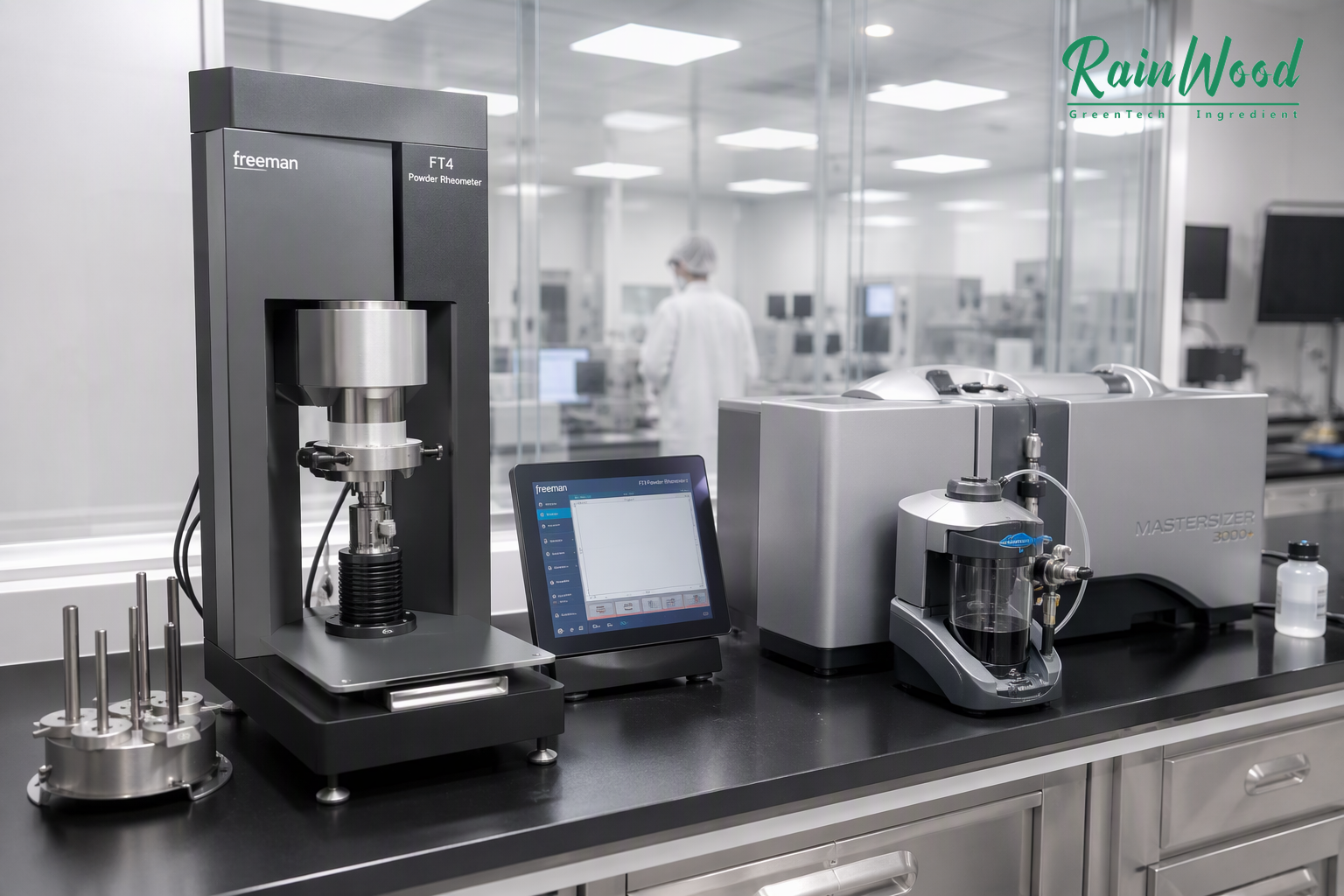
Figure 2: Quality Assurance Workflow — Hermetic Seal Testing, In-Process Control, and Batch Release Gate.
How RainwoodBio can link powder flow to stick performance
RainwoodBio publishes powder and stick-pack formats, requirement confirmation, production and process control, testing and release, packaging, logistics, and traceability. For a creatine electrolyte product, the relevant capability is a pilot that checks flow, weight, seals, and dose uniformity on the actual filling route.
Request a creatine electrolyte stick-pack flow feasibility review RainwoodBio format development review with your blend, target stick weight, film size, line speed, and 30-count outer package.
The flow approval gate
Before production, confirm:
- representative powder data are available;
- environmental conditions and hold time are defined;
- the filling machine runs within a validated window;
- fill-weight and seal rejection are acceptable;
- flow aids or carriers are included in the formula and label review;
- beginning, middle, and end samples remain uniform;
- supplier or particle-size changes trigger a new line trial.
Send your powder data, batch formula, machine settings, pilot results, and film drawing for a stick-pack flow and filling review contact RainwoodBio for formula and packaging review. RainwoodBio can help identify whether the line problem is caused by powder physics, equipment settings, or the blend design.
Flow must be checked after storage and transport
A powder can flow well when it is freshly blended and still fail after a few weeks in a warehouse. Moisture uptake, vibration, compaction, and temperature cycling can change the way the blend enters the filling hopper. Retain sticks or bulk blend after a practical storage simulation and repeat the flow and fill trial. If the product is sold in a large pouch, open and close the outer package before removing test units. The objective is not to create a laboratory number that looks perfect; it is to understand whether the same product can be filled, poured, and dosed after the handling conditions that matter to the sale. Record the powder condition next to the line setting so the next run can be adjusted with evidence.
A line trial should include the last ten sticks
Many filling problems become visible as the hopper empties. Powder depth changes, the feed pressure moves, and segregation can become stronger near the end of the run. Include the final section of the batch in the flow, fill-weight, seal, and active-uniformity review. If the 30-stick product is packed from several lanes, compare the lanes rather than reporting one overall average. Keep the line setting, room humidity, and blend hold time with the result. This creates a practical requalification reference when a new flavor, supplier lot, or package film enters production.
Frequently asked questions
Is a high bulk density always better for stick packs?
No. It may reduce occupied volume, but flow, segregation, taste, and seal behavior still matter. Validate the complete blend.
Can more flow aid solve bridging?
Not automatically. It may change label composition and dissolution while leaving the underlying moisture or density problem unresolved.
Should flow be tested on the raw creatine or the finished blend?
Both can be useful, but the finished blend and actual filling line determine commercial performance.
References
- Creatine monohydrate stick-pack flow and packaging considerations: https://www.srs-nutritionexpress.com/news/creatine-monohydrate-for-stick-packs-flow-dose-and-packaging-considerations/
- Single-serve supplement sachet packaging guide: https://www.anacotte.com/blogs/sports-nutrition-packaging-guides/single-serve-supplement-sachet-packaging
- Eagle Labs stick-pack capabilities: https://www.eaglelabsinc.com/capabilities/our-products/stick-pack
- RainwoodBio OEM information: https://www.rainwoodbio.com/oem
This article is for B2B procurement and educational purposes. Powder flow, dose, seal integrity, safety, analytical, packaging, labeling, and regulatory requirements must be confirmed for the exact blend, equipment, batch, and destination market.
Ready to Optimize Your Stick Pack Formula & Packaging?
Partner with RainwoodBio for cGMP-certified stick pack and sachet contract manufacturing. Custom powder blending, 30-count cartoning, and subscription-optimized packaging.
Request Custom Stick Pack OEM QuoteTable of Contents
- Flow starts with the purchased powder
- The ingredients create different flow problems
- Flow problems become dose problems
- A practical flow trial
- The flow-aid trade-off
- How RainwoodBio can link powder flow to stick performance
- The flow approval gate
- Flow must be checked after storage and transport
- A line trial should include the last ten sticks
- Frequently asked questions
- References