 EN
EN

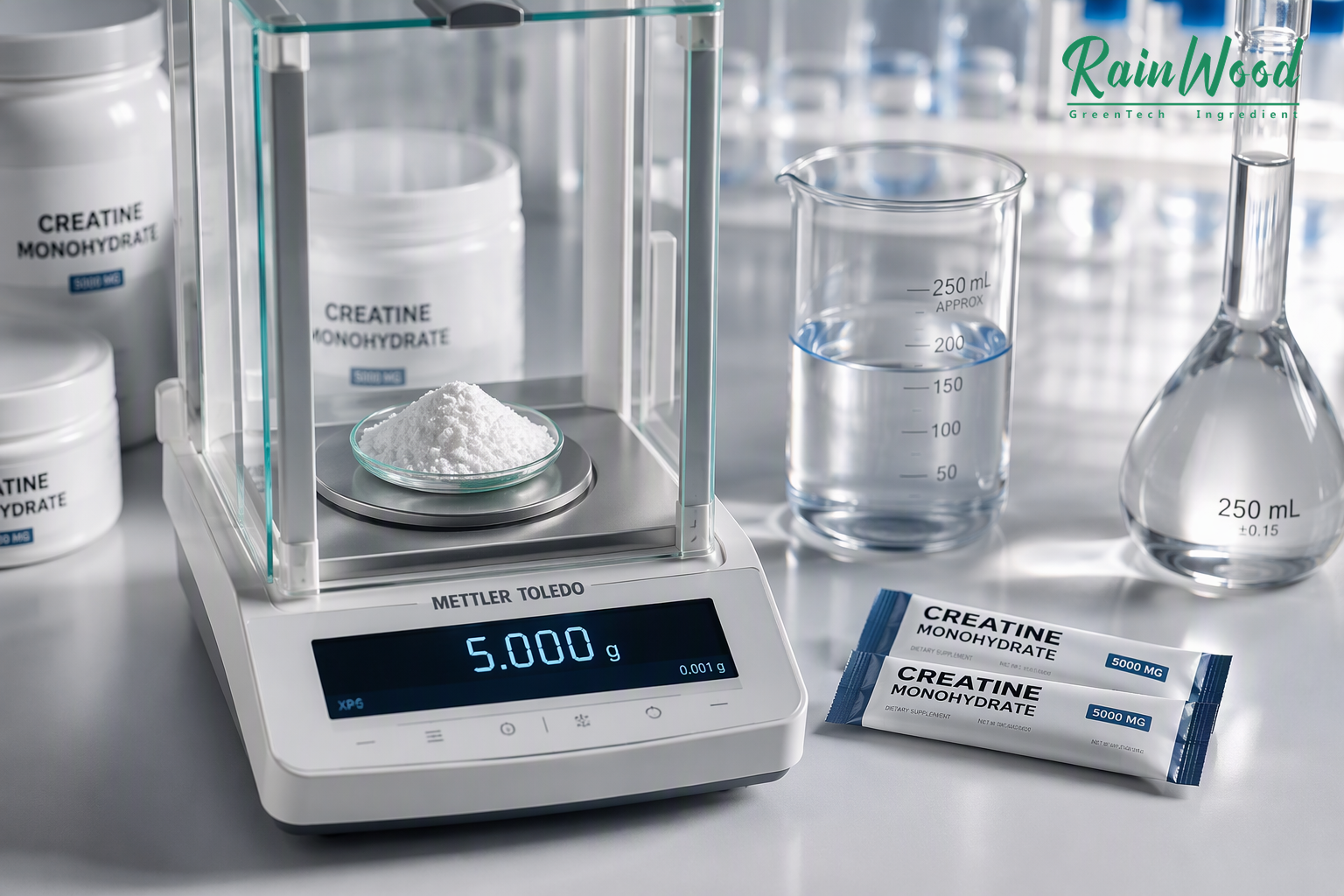
Meta Title: 5 g Creatine Stick Pack Label and Dose Review
Meta Description: A 5 g creatine claim can hide assay, moisture, fill-weight, and blend-uniformity gaps. Learn how brands verify every individual stick.
The front of the box says “5 g creatine per stick.” The stick pack contains 8.5 g of powder with sodium, potassium, magnesium, flavor, sweetener, and acid. A customer tears one open, mixes it, and assumes the number on the box is guaranteed. Your raw-material COA may not prove that assumption.
In a single-serve product, the customer buys the unit, not the batch average. Creatine raw-material assay, hydration state, formula calculation, blending, transfer, filling, moisture exposure, and finished-stick testing all affect the amount delivered in one packet. A 99% creatine COA can be correct while a finished stick still falls outside the intended dose if the formula basis or distribution control is weak.
That is the commercial risk for an Amazon or independent-site brand. A few underfilled or strongly different sticks can create customer complaints, poor reviews, refund requests, and a difficult response to a retailer asking for the evidence behind the label.
A raw-material COA is not a finished-stick certificate
The COA may answer how much creatine was found in the purchased ingredient under one method. It does not automatically confirm:
- how much creatine was weighed into the blend;
- whether the amount is stated as creatine or creatine monohydrate;
- whether moisture was included in the calculation;
- whether the active stayed uniformly distributed during transfer;
- whether every stick reached the target fill weight;
- whether a formula with multiple mineral salts segregated before sealing.
Use our creatine stick pack dose specification Creatine Electrolyte Stick Pack OEM Services to separate raw-material evidence from finished-unit evidence.
The 5 g wording needs a basis
Creatine monohydrate includes water of crystallization. If the formula weighs 5 g of creatine monohydrate, the label and marketing copy should make clear what amount is being declared under the target-market rules. If the team promises 5 g of creatine, the internal calculation must show how the raw-material assay and form convert into that declaration.
The same issue appears in the electrolyte panel. A stick may contain 800 mg of sodium citrate, but that is not 800 mg of elemental sodium. Potassium chloride and magnesium citrate also contribute only part of their raw-material mass as the named mineral. Keep raw-material weight, active or elemental amount, and label amount in separate columns.
Read the elemental mineral calculation for every stick contact us for OEM consultation before approving the front-panel number.
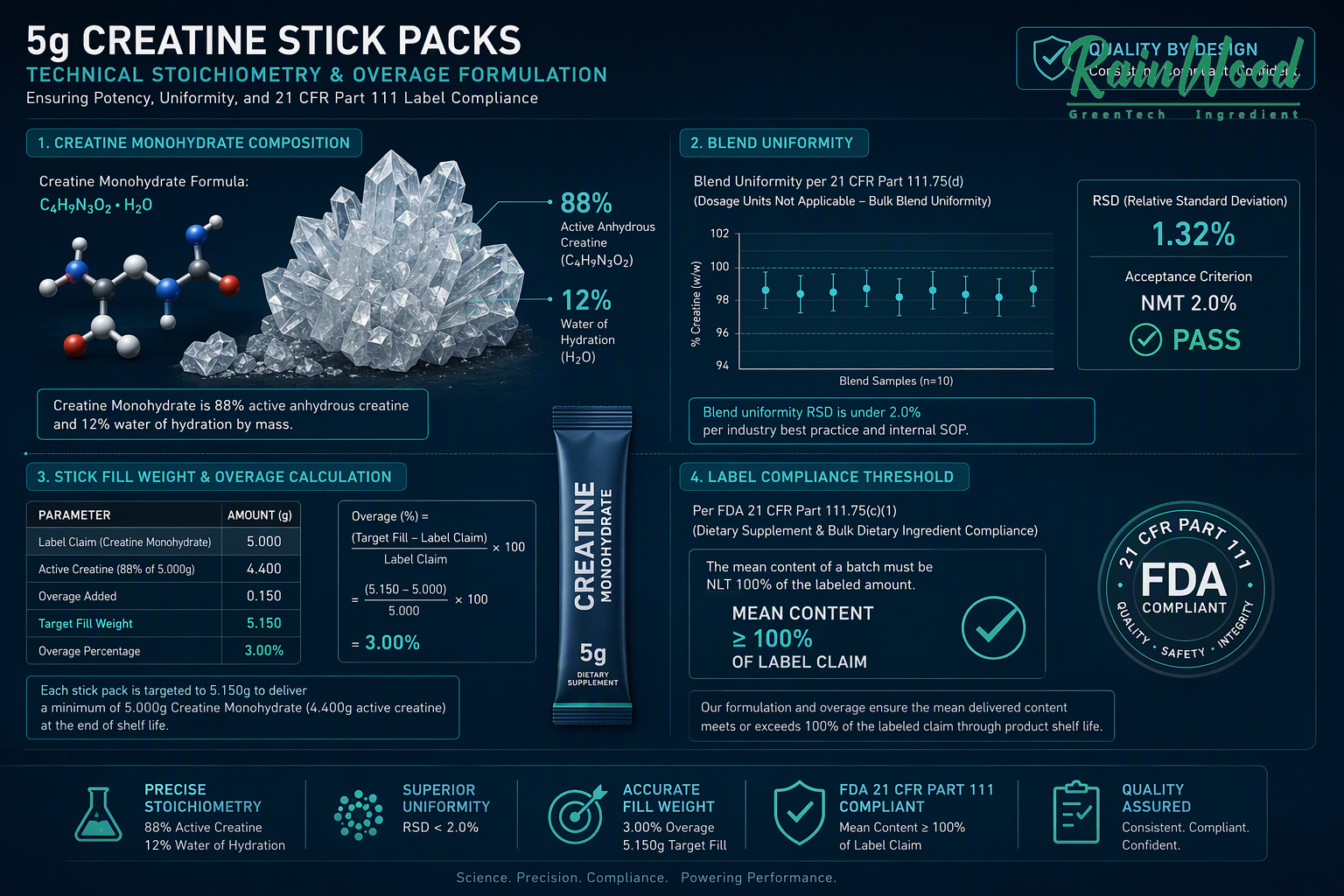
Figure 1: Technical Formulation Specification and Quality Matrix for 30-Count Stick Pack Manufacturing.
Why 30 separate units require a different sampling mindset
A composite sample can show that the batch average is reasonable while hiding a low portion at the beginning or end of the filling run. Powder density and particle size differences may cause creatine to move differently from mineral salts, sweeteners, and flavor carriers. Vibration in the hopper or conveyor can increase the difference between early, middle, and late sticks.
Set a location-based sampling plan. Test sticks from the beginning, middle, and end of the run, and include enough units to assess fill weight and relevant active content. If the formula contains a low-dose ingredient such as caffeine, use a method and sample size that can detect segregation rather than relying on visual uniformity.
The finished-stick release file
Keep four layers of evidence:
Ingredient identity
Record creatine form, mineral salt forms, supplier lots, assay, moisture, contaminants, and source documents.
Batch formula
Show theoretical weights, assay or moisture corrections, overage, expected yield, and the number of saleable sticks.
Blend uniformity
Document mixer load, mixing order, hold time, transfer route, sampling locations, and acceptance criteria.
Packed-unit release
Check net fill weight, seal integrity, appearance, moisture exposure, and relevant creatine or mineral values in representative sticks.
Do not allow a generic batch COA to stand in for all four layers.
A practical 5 g stick reconciliation table
The acceptance limits should be written before production. A brand should not decide after seeing the results that a broad “average” is good enough.
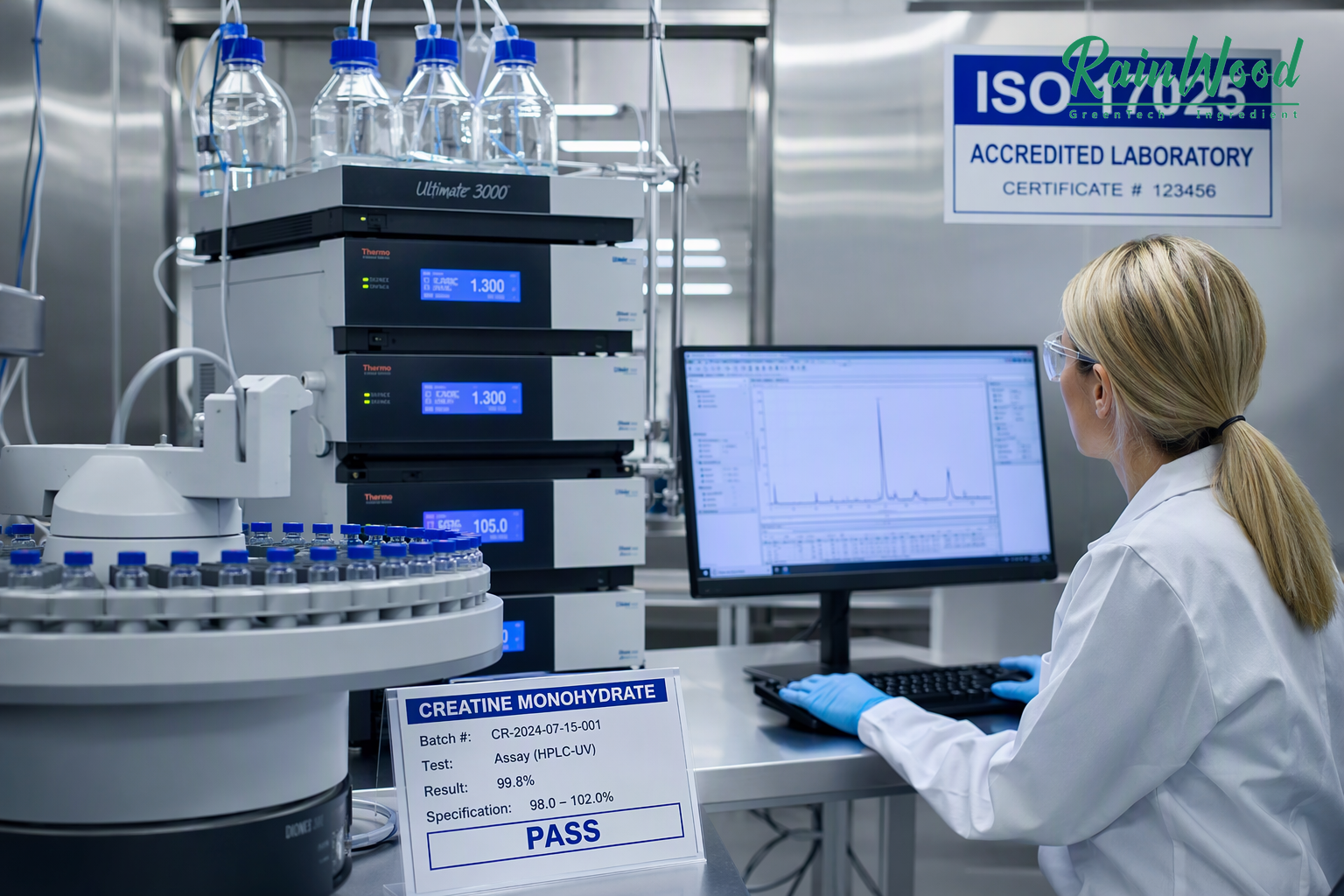
Figure 2: Quality Assurance Workflow — Hermetic Seal Testing, In-Process Control, and Batch Release Gate.
How RainwoodBio can connect the label to the individual stick
RainwoodBio publishes requirement confirmation, supplier management, production and process control, testing and release documentation, packaging, logistics, and traceability. For a 30-stick creatine electrolyte product, the useful capability is connecting the formula sheet and raw-material COAs to the actual filled and sealed units.
Request a finished-stick dose and release review contact us for OEM consultation with the formula, target stick weight, draft label, sampling plan, and destination market.
The print-approval gate
Do not approve the 5 g front-panel claim until:
- the exact creatine form and declaration basis are clear;
- electrolyte numbers are calculated as elemental amounts where required;
- batch yield and overage assumptions are documented;
- beginning, middle, and end sticks meet the agreed criteria;
- the stick seal protects the powder from moisture;
- the 30-stick package count is reconciled to saleable units;
- Amazon and independent-site copy use the same approved language.
Send the creatine COA, electrolyte specifications, batch formula, finished-stick results, and draft artwork for a 5 g creatine stick-pack label review contact RainwoodBio for formula and packaging review. RainwoodBio can identify gaps before the box is printed and the first reviews are published.
Make the 30-stick outer pack part of the dose review
The box or pouch should carry the same serving definition as the individual stick and the online listing. If a customer sees “5 g creatine per stick” but the directions say two sticks on training days, the monthly dose and cost are no longer obvious. Check the panel, product title, images, subscription settings, and customer-service answer together. Retain a finished box from the approved lot and keep its version beside the formula calculation. When the supplier changes the creatine grade, mineral salt, flavor carrier, or stick weight, reopen the dose review before printing new 30-count packaging. This prevents a raw-material update from silently changing the promise customers bought.
Frequently asked questions
Does a 99% creatine COA prove 5 g in every stick?
No. It supports the raw material under its stated method. Finished-stick dose depends on formula calculation, blending, filling, and unit-level release controls.
Should each stick be tested?
Not necessarily, but the sampling plan should be able to detect fill-weight and composition variation across the run. The correct plan depends on the formula and risk.
Is 5 g of creatine monohydrate the same as 5 g of creatine?
The label basis must be defined for the target market and used consistently in the formula, panel, and product page.
References
- NIH Office of Dietary Supplements, Exercise and Athletic Performance: https://ods.od.nih.gov/factsheets/ExerciseAndAthleticPerformance-HealthProfessional/
- FDA, Dietary Supplement Labeling Guide: https://www.fda.gov/food/dietary-supplements-guidance-documents-regulatory-information/dietary-supplement-labeling-guide
- FDA GRAS Notice 931, Creatine Monohydrate: https://www.hfpappexternal.fda.gov/scripts/fdcc/index.cfm?id=931&set=GRASNotices
- RainwoodBio About Us: https://www.rainwoodbio.com/about-us
This article is for B2B procurement and educational purposes. Dose, identity, safety, labeling, analytical, packaging, and regulatory requirements must be confirmed for the exact formula, finished stick, batch, and destination market.
Ready to Optimize Your Stick Pack Formula & Packaging?
Partner with RainwoodBio for cGMP-certified stick pack and sachet contract manufacturing. Custom powder blending, 30-count cartoning, and subscription-optimized packaging.
Request Custom Stick Pack OEM QuoteTable of Contents
- A raw-material COA is not a finished-stick certificate
- The 5 g wording needs a basis
- Why 30 separate units require a different sampling mindset
- The finished-stick release file
- A practical 5 g stick reconciliation table
- How RainwoodBio can connect the label to the individual stick
- The print-approval gate
- Make the 30-stick outer pack part of the dose review
- Frequently asked questions
- References