 EN
Executive Summary & B2B Formulation Guidance
Build a responsible nattokinase safety and warning file covering bleeding questions, soy, surgery, pregnancy, and medication interactions.
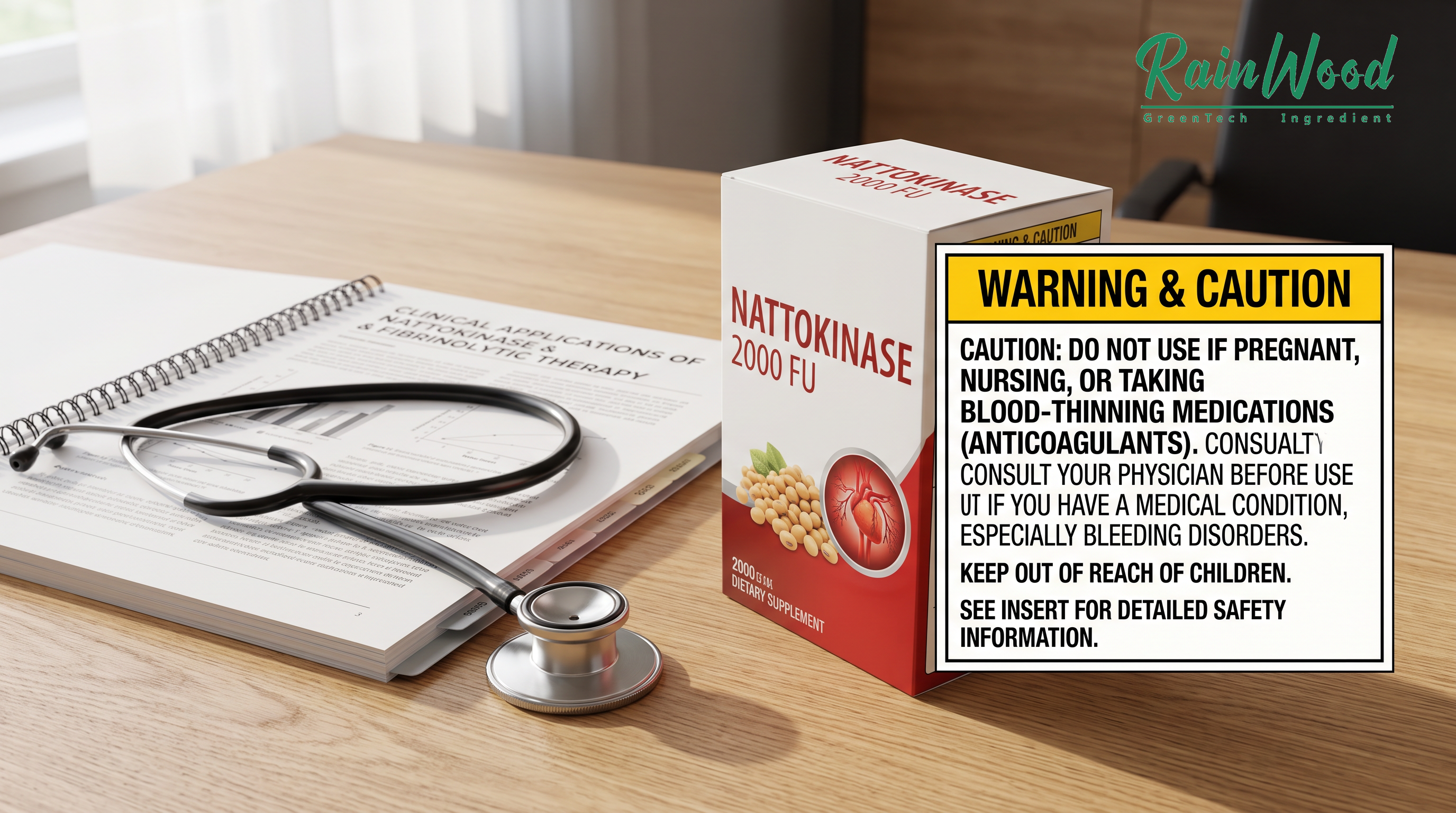
Figure 1: Commercial Packaging of Nattokinase with Prominent Caution and Warning Statement Labels Beside Clinical Reference Dossier
A warning file is part of the product, not a legal footnote
Nattokinase is sold as a dietary supplement, but its marketing often refers to fibrinolysis, coagulation, or circulation. That makes safety communication especially important. A buyer needs to know what warnings are supported, which populations require professional advice, and how the label and customer-service team will handle medication questions.
This article does not diagnose or prescribe. It explains how a brand can build a responsible procurement and labeling file without turning a theoretical interaction into an unsupported universal warning.
Why medication review matters
Human studies have investigated nattokinase effects on coagulation-related measures, and clinical sources caution that it may increase bleeding risk when combined with anticoagulant, antiplatelet, or fibrinolytic drugs. A label in the NIH Dietary Supplement Label Database also includes warnings about blood-thinning medication, pregnancy or nursing, and soy allergy. These are market examples and safety signals, not a substitute for medical advice or a universal label template.
The buyer should identify the target market, product dose, formulation, and intended audience before finalizing warnings. The [INTERNAL LINK -> Nattokinase Claim Blog] explains why the same phrase can create different risk depending on context.
The commercial loss from weak warnings
If the product page uses “blood thinner” language but the warning file is vague, customers may misunderstand the product. A retailer or platform may ask for additional review. A customer taking medication may contact support after purchase, and an untrained team member may offer an unsafe answer.
The brand also needs a complaint and adverse-event process. A warning does not replace post-market monitoring. The supplier should be able to provide lot traceability and retain samples if a complaint requires investigation.
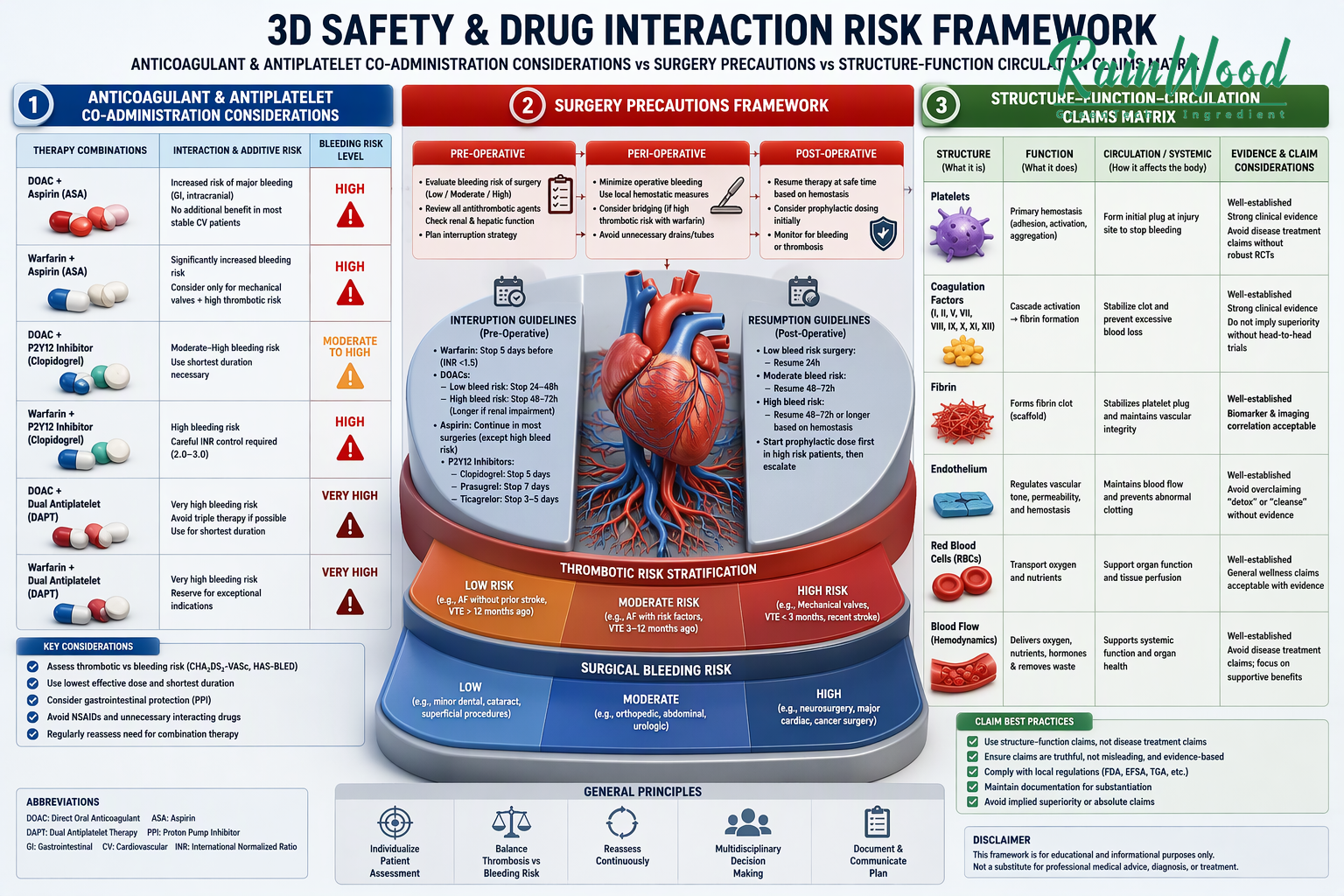
Figure 2: 3D Safety and Medication Interaction Framework: Anticoagulant Considerations vs Surgery Precautions vs Structure Claims
Build a risk-based warning file
Record intended use, activity per serving, other active ingredients, soy status, target markets, known medication questions, pregnancy or nursing wording, surgery questions, and professional consultation language. Have a qualified regulatory or medical reviewer approve the final text.
Train customer service to avoid changing a warning into personalized medical advice. The script should identify when to refer the customer to a healthcare professional. Keep the wording consistent across label, website, marketplace listing, FAQ, and influencer materials.
Do not overstate safety or danger
Avoid “safe for everyone” and avoid claiming that every user faces the same risk. Use conditional language and market-appropriate warnings. The technical file should distinguish evidence from precaution. A small human study, a theoretical interaction, and a post-market case do not carry the same evidence level.
How RainwoodBio can support documentation
RainwoodBio publishes requirement confirmation, compliance assessment, raw-material supplier management, testing and release, documentation, and traceability. These capabilities can support a warning and complaint file. The exact nattokinase dose, formula, lot, market, and label still require project-specific review.
Safety approval gate
Before launch, confirm:
- exact activity per serving and daily use;
- soy and allergen information;
- target-market warning requirements;
- medication, surgery, pregnancy, and nursing review;
- customer-service escalation script;
- adverse-event and complaint traceability;
- supplier change-control process.
Request a [INTERNAL LINK -> Nattokinase Safety and Warning Review] [INTERNAL LINK -> Contact Us Page] with the draft label, formula, COA, target market, and customer profile.
Build a medication-question escalation path
Write a short script for common questions: blood-thinning medication, aspirin or antiplatelet use, upcoming surgery, pregnancy or nursing, soy allergy, and adverse symptoms. The response should identify the product and direct the person to a qualified healthcare professional when an individual decision is involved. It should not recommend changing a prescription or stopping medication.
Keep this script aligned with the label and product page. Update it when the FU serving, companion ingredients, target market, or warning language changes. The [INTERNAL LINK -> Nattokinase Market Dossier Blog] helps organize the controlled documents that support the script.
Make the warning file visible to every team
Procurement should know the source and activity. Formulation should know the daily serving and companion ingredients. Quality should know lot traceability and complaint records. Marketing should know approved and prohibited language. Customer service should know when to refer medication or surgery questions to a professional. A warning that exists only in a regulatory folder will not protect the customer.
Review the file when the product changes. A new FU target, K2 blend, garlic addition, capsule format, target market, or warning statement can create a new risk profile. Keep a version history and record the reviewer, date, and reason for change.
Put warning ownership into the quality agreement
The supplier should provide source, activity, allergen, storage, and technical information. The brand or its qualified reviewer should approve the market-facing warnings and customer instructions. The quality agreement should identify who updates the file when the formula, dose, market, or companion ingredient changes.
Keep records of customer complaints and safety questions by lot. A repeated question about medication or surgery may signal that the product page is attracting a medical audience or that the warning is not visible enough. Use the information to improve communication without turning a complaint trend into an unsupported medical conclusion.
Build a question-and-referral workflow
The safety file should separate technical facts from individual decisions. Technical facts may include the declared FU, source, soy statement, companion ingredients, storage, and documented warnings. Individual decisions include whether a person using an anticoagulant, antiplatelet drug, or preparing for surgery should take the product. The second category belongs with a qualified healthcare professional, not a sales representative or chat script.
Train customer service to capture the exact product, lot, serving, timing, symptoms, and medication question without diagnosing the customer. Escalate urgent symptoms according to the brand's approved procedure. Review patterns by lot and channel, but do not convert a small number of questions into a broad efficacy or safety claim. A controlled referral process is more credible to retailers than an overconfident “safe for everyone” statement.
Document the reviewer and effective date
Every warning file should show who reviewed it, which market it covers, and when it becomes effective. Keep old versions with the related artwork and formula so customer-service teams can reconstruct what a buyer saw for a specific lot.
Frequently asked questions
Can a supplier provide medical advice to customers?
The supplier can provide technical information, but individual medical advice should come from a qualified healthcare professional.
Should every nattokinase label mention medication?
Requirements vary by market and product, but medication questions should be considered in the safety review.
Does a lower FU dose remove all interaction questions?
No automatic conclusion can be made. Dose, formula, customer, and market all matter.
Is soy allergy relevant to purified enzyme?
It may be, depending on source, process, residual components, and market requirements. Request supplier documentation.
Conclusion
Nattokinase safety communication should be evidence-led, product-specific, and consistent across every customer touchpoint. A clear warning file protects the buyer, the customer, and the brand without making unsupported medical claims.
Disclaimer: This article is for B2B safety and labeling planning. It is not medical advice and does not establish that nattokinase treats, prevents, or cures disease.

Figure 3: Medical Affairs and Regulatory Compliance Team Reviewing Safety Documentation and Customer Support Escalation Scripts
References
- https://dsld.od.nih.gov/label/82020
- https://pubmed.ncbi.nlm.nih.gov/26109079/
- https://www.mskcc.org/cancer-care/integrative-medicine/herbs/nattokinase
- https://www.fda.gov/food/dietary-supplements-guidance-documents-regulatory-information/dietary-supplement-labeling-guide
Explore RainwoodBio Nattokinase & Cardiovascular OEM Solutions
- Custom Nattokinase Enteric & Delayed-Release Capsules – Gastric-acid protection preserving 2,000~20,000 FU/g enzyme activity for optimal systemic absorption.
- Nattokinase Lipid Softgels & Cardiovascular Blends – Synergistic co-formulations with CoQ10, Phytosterols, Garlic Oil, and Vitamin K2-free options.
- Nattokinase Sachet Stick Packs & Functional Powders – Convenient single-serve sachet stick packs with premium taste masking and high moisture barrier.
- OEM / ODM Contract Manufacturing Services – cGMP certified high-potency blending, blister packaging, and US/EU/Amazon regulatory compliance dossiers.
- Contact RainwoodBio Technical Sales – Request Nattokinase CoA (FU/g assay certificates), stability test protocols, pilot samples, or custom quotation.
Table of Contents
- A warning file is part of the product, not a legal footnote
- Why medication review matters
- The commercial loss from weak warnings
- Build a risk-based warning file
- Do not overstate safety or danger
- How RainwoodBio can support documentation
- Safety approval gate
- Build a medication-question escalation path
- Make the warning file visible to every team
- Put warning ownership into the quality agreement
- Build a question-and-referral workflow
- Document the reviewer and effective date
- Frequently asked questions
- Conclusion
- References