 EN

Executive Summary & B2B Formulation Guidance
Compare nattokinase quotations by FU method, activity basis, identity, packaging, stability, and total released-product cost.
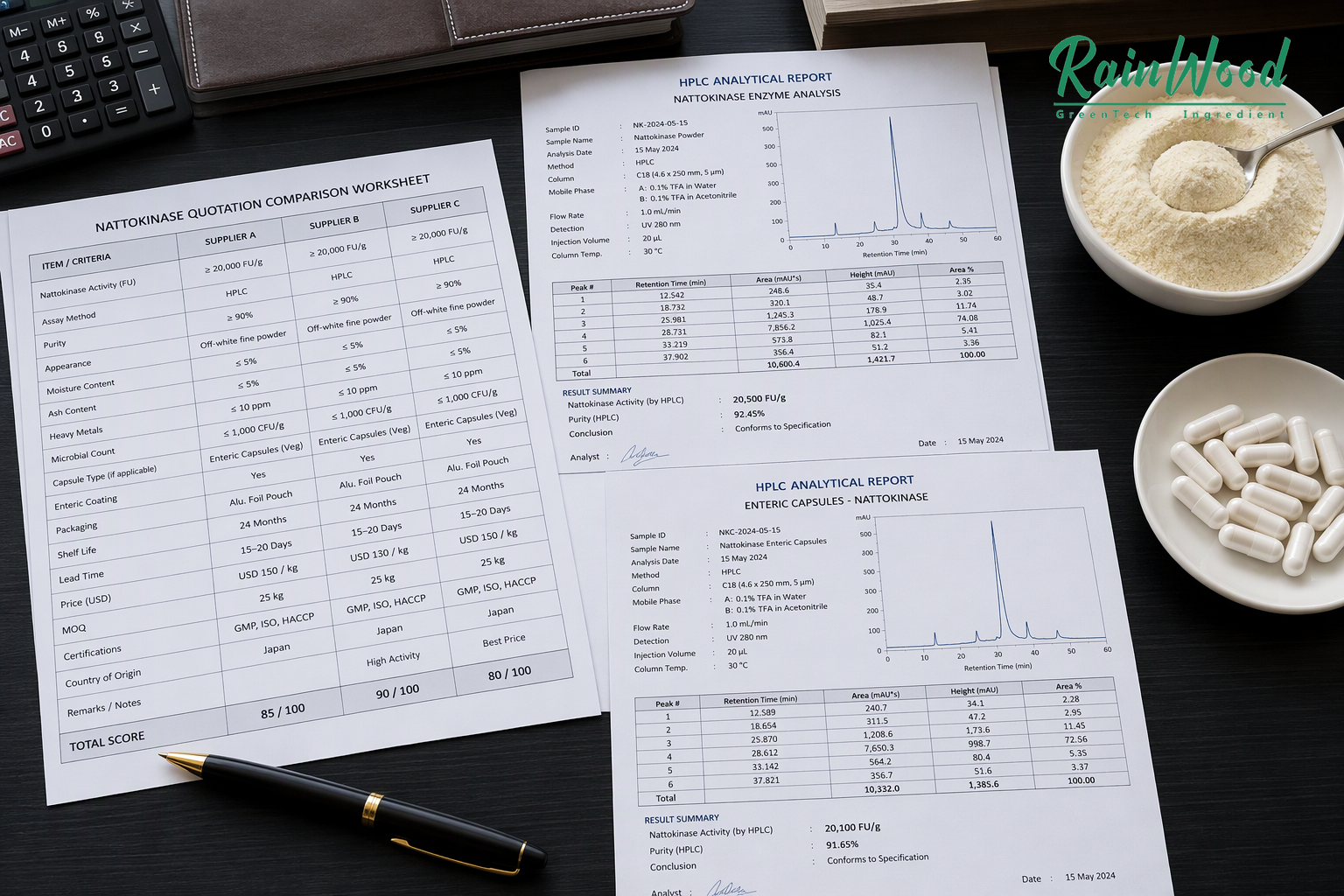
Figure 1: Commercial Comparison of Quotation Worksheets, HPLC Enzyme Assay Reports, and High-Potency Nattokinase Enteric Capsules
The lowest price may not buy the same activity
A supplier quotes nattokinase powder at a surprisingly low price. The COA shows a large FU number, and the salesperson promises quick delivery. The buyer wants the margin. But the quote may use a different assay method, report activity per gram on a different basis, omit identity testing, or shift package and stability risks to the buyer.
The right response is not to reject a low quote. It is to normalize the commercial offer. Price per kilogram is only one line. A serious buyer compares cost per released FU, documentation, package, shelf life, and failure accountability.
Where the apparent saving can come from
The first gap is activity method. FU numbers are meaningful only under their defined assay. If one supplier uses a fibrin plate method and another uses a synthetic substrate, the numbers may not be directly comparable. Use the [INTERNAL LINK -> Nattokinase Assay Method Blog] before treating the larger number as stronger.
The second gap is product identity. Purified nattokinase, natto extract, and fermented powder can have different activity, solids, odor, and label requirements. The third gap is package. A low quote may include a simple bag that does not protect activity through the buyer's logistics route.
The fourth gap is testing. A quote may include only FU and appearance. Identity, moisture, contaminants, soy documentation, finished-unit activity, and stability may be excluded.
The buyer loss from price-only purchasing
The raw material can fail after printed bottles, capsules, or cartons are ready. The brand then pays for testing, rework, replacement freight, and launch delay. If the activity is lower than expected but the supplier says it is within a different method, the buyer may also face a label and customer-service problem.
The hidden cost is evidence. A supplier without a stable method, lot record, or change-control process makes every future lot a new qualification project. The cheap quote becomes expensive through repeated uncertainty.
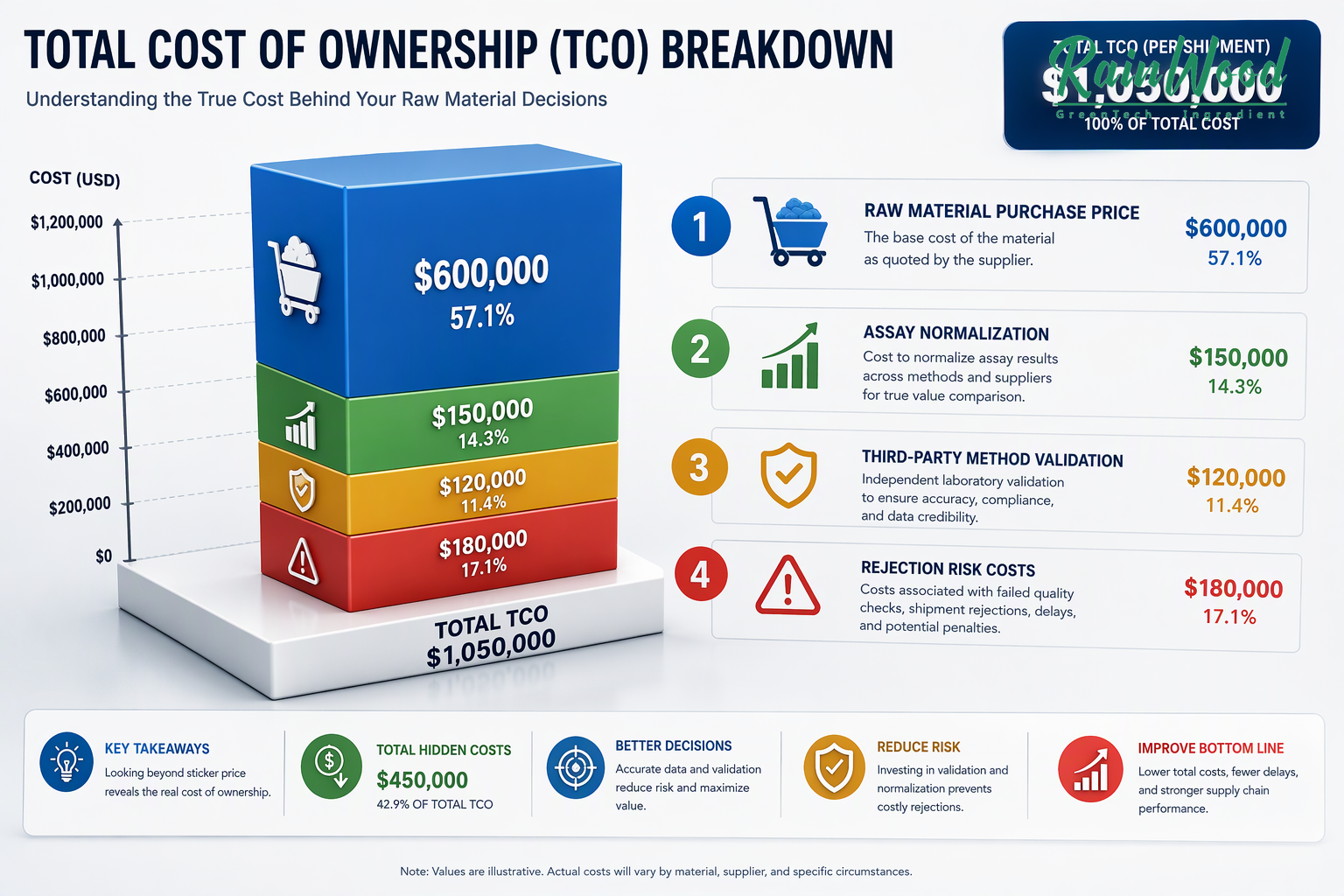
Figure 2: 3D Total Cost of Ownership (TCO) Breakdown: Purchase Price vs Assay Normalization vs Validation and Rejection Risk
Build a like-for-like quote sheet
Compare exact material identity, FU method, activity basis, assay limit, identity evidence, moisture, impurities, soy status, package, storage, shelf life, MOQ, lead time, sample policy, finished-product support, and replacement terms. Then calculate active cost per released capsule or daily serving.
Include overage, process loss, testing, package, freight, storage, and expected rejection or rework. For a coated capsule or stick pack, include the process cost and activity recovery. The [INTERNAL LINK -> Nattokinase Dose Calculation Blog] helps convert the quote into a real label and cost.
Questions that expose a weak quote
Ask what one FU means, which method defines it, whether the result is as-is or dry basis, when the activity is guaranteed, and whether the package supports the stated shelf life. Ask whether the COA belongs to the actual lot and who pays for confirmation testing if the result fails.
Ask whether the price is for raw material, a premix, or a finished OEM product. These are different purchases. A higher quote that includes a controlled package and finished release may be cheaper per released unit than a low quote with no support.
How RainwoodBio can support quote normalization
RainwoodBio publishes requirement confirmation, raw-material supplier management, production process control, testing and release, compliance documentation, and OEM formats. These capabilities are relevant when a brand wants to compare a raw-material quote with a complete nattokinase product. Exact activity method and product evidence still need confirmation.
Quote approval gate
Before approving, confirm:
- same exact material and source;
- comparable FU methods and basis;
- included testing and documents;
- package and shelf life;
- finished-product activity plan;
- remedy for failed activity or identity.
Request a [INTERNAL LINK -> Nattokinase Quotation Normalization] [INTERNAL LINK -> Contact Us Page] with the competing quotes, COAs, target FU, format, and market.
Require a quotation with scope and exclusions
Ask the supplier to list included activity testing, identity evidence, package, stability, sample, finished-product release, freight, and replacement terms. Ask for exclusions too. A quote that appears cheap because the buyer must fund a method bridge or a second activity test is not comparable to a quote that includes those controls.
Calculate two totals: landed raw-material cost and released finished-product cost. Add expected yield, overage, testing, storage, and the cost of a failed lot. This turns a price discussion into a commercial decision a finance team and quality team can both defend.
Compare quotes by released product value
Normalize each offer to cost per released daily serving at the agreed FU level. Include raw activity, input amount, yield, overage, method bridge, package, stability, filling, testing, freight, and expected rejection. This makes a supplier with a higher kilogram price competitive when it provides a stronger activity guarantee and a more complete release package.
Ask whether the quoted activity is a minimum, a typical result, or a promotional sample. Ask how often the supplier tests, how the sample is collected, and whether the price changes when a lot needs confirmation. These answers show where the supplier has placed quality risk.
Make the quotation answer a quality question
Ask the supplier to attach a sample COA, activity method, specification, package, storage, and release plan to the quotation. If the supplier cannot provide those documents at the budget stage, mark the price as indicative and record what remains unconfirmed. This prevents a preliminary number from becoming a false target for the final product.
When comparing offers, ask who funds method bridging, independent testing, activity retest, replacement freight, and rework. Those terms can move the total cost more than a small difference in powder price. A transparent quote creates a stronger basis for a long-term supplier relationship.
Ask what the activity number actually buys
A quote should state whether the FU value is a minimum, typical result, or sample result; whether it is tested on raw powder or finished units; and whether the method is validated or only an internal screen. Ask what happens when a lot falls below the minimum, including retest rules, replacement freight, and the buyer's right to use an independent result. Without these terms, the cheapest number may simply transfer the quality risk to the brand.
Normalize the commercial comparison to the same activity delivered to the customer. Include fill yield, overage, testing, package, stability, freight, and expected rejection. A supplier with a higher raw-material price can be cheaper after release if the activity method, lot consistency, and replacement process reduce rework. Procurement should show this calculation to finance before selecting a vendor on kilogram price alone.
Frequently asked questions
Is a low nattokinase quote always risky?
No. The question is whether the specification, activity method, package, and accountability are comparable.
Should price be calculated per FU?
Yes, where possible. Add testing, package, yield, and finished-product costs.
Can a high FU number justify the price?
Only after the method, identity, activity basis, and stability are understood.
What should a buyer negotiate first?
Exact identity, method, activity, package, release, and failure terms before a price-only discussion.
Conclusion
The best nattokinase quote is not the lowest number per kilogram. It is the offer that delivers comparable FU activity, identity, stability, documentation, and commercial accountability at the lowest released-product cost.
Disclaimer: This article is for B2B commercial and procurement planning. It is not medical advice and does not establish that nattokinase treats, prevents, or cures disease.
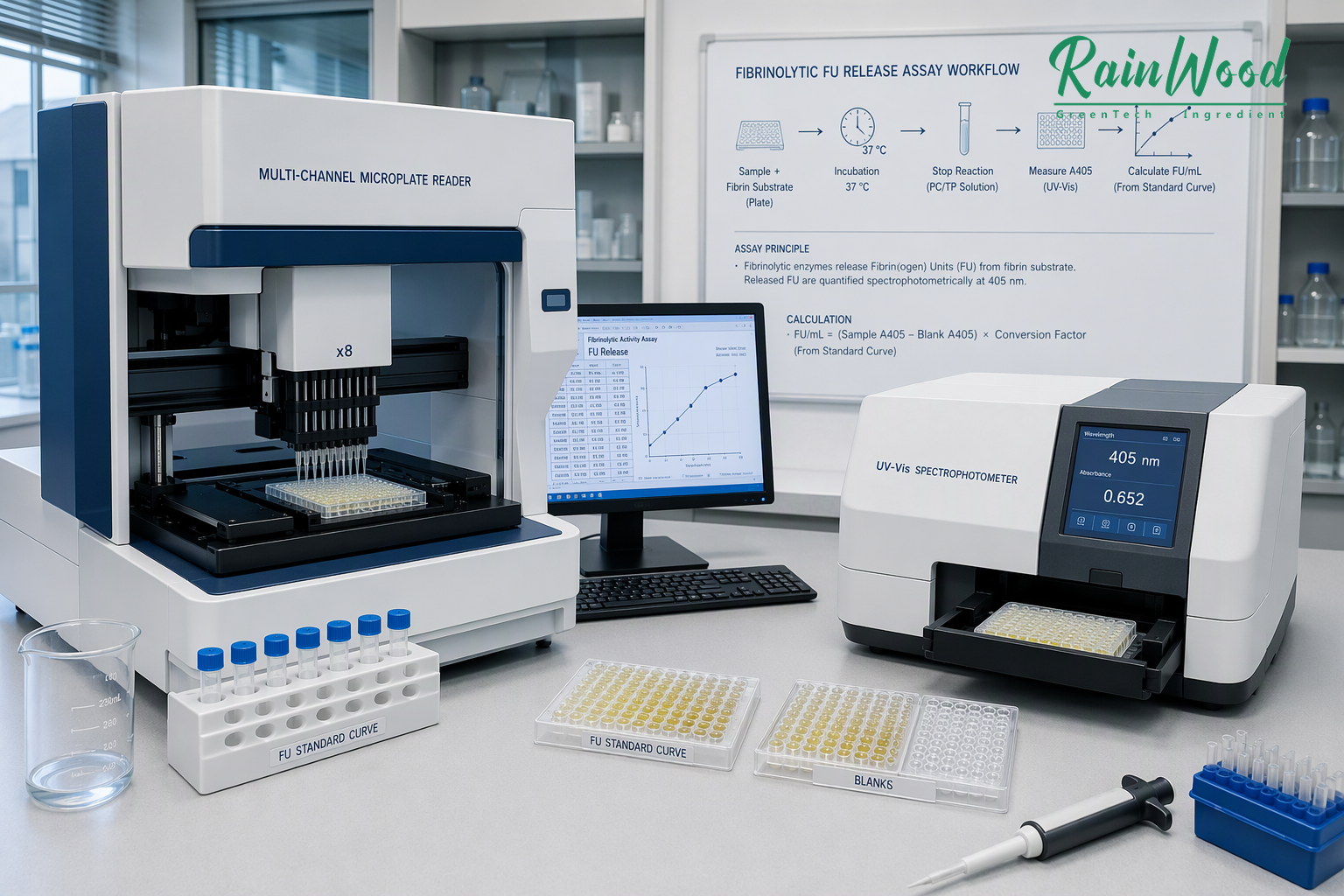
Figure 3: Analytical Biochemistry Laboratory with Automated Microplate Reader Performing Standardized Fibrinolytic FU Release Assays
References
- https://pmc.ncbi.nlm.nih.gov/articles/PMC9312984/
- https://dsld.od.nih.gov/label/82020
- https://www.rainwoodbio.com/oem
Explore RainwoodBio Nattokinase & Cardiovascular OEM Solutions
- Custom Nattokinase Enteric & Delayed-Release Capsules – Gastric-acid protection preserving 2,000~20,000 FU/g enzyme activity for optimal systemic absorption.
- Nattokinase Lipid Softgels & Cardiovascular Blends – Synergistic co-formulations with CoQ10, Phytosterols, Garlic Oil, and Vitamin K2-free options.
- Nattokinase Sachet Stick Packs & Functional Powders – Convenient single-serve sachet stick packs with premium taste masking and high moisture barrier.
- OEM / ODM Contract Manufacturing Services – cGMP certified high-potency blending, blister packaging, and US/EU/Amazon regulatory compliance dossiers.
- Contact RainwoodBio Technical Sales – Request Nattokinase CoA (FU/g assay certificates), stability test protocols, pilot samples, or custom quotation.
Table of Contents
- The lowest price may not buy the same activity
- Where the apparent saving can come from
- The buyer loss from price-only purchasing
- Build a like-for-like quote sheet
- Questions that expose a weak quote
- How RainwoodBio can support quote normalization
- Quote approval gate
- Require a quotation with scope and exclusions
- Compare quotes by released product value
- Make the quotation answer a quality question
- Ask what the activity number actually buys
- Frequently asked questions
- Conclusion
- References