 EN

Executive Summary & B2B Formulation Guidance
Can your CoQ10 dose fit one capsule? Check active potency, carrier, density, fill weight, unit count, and finished-product release before artwork.
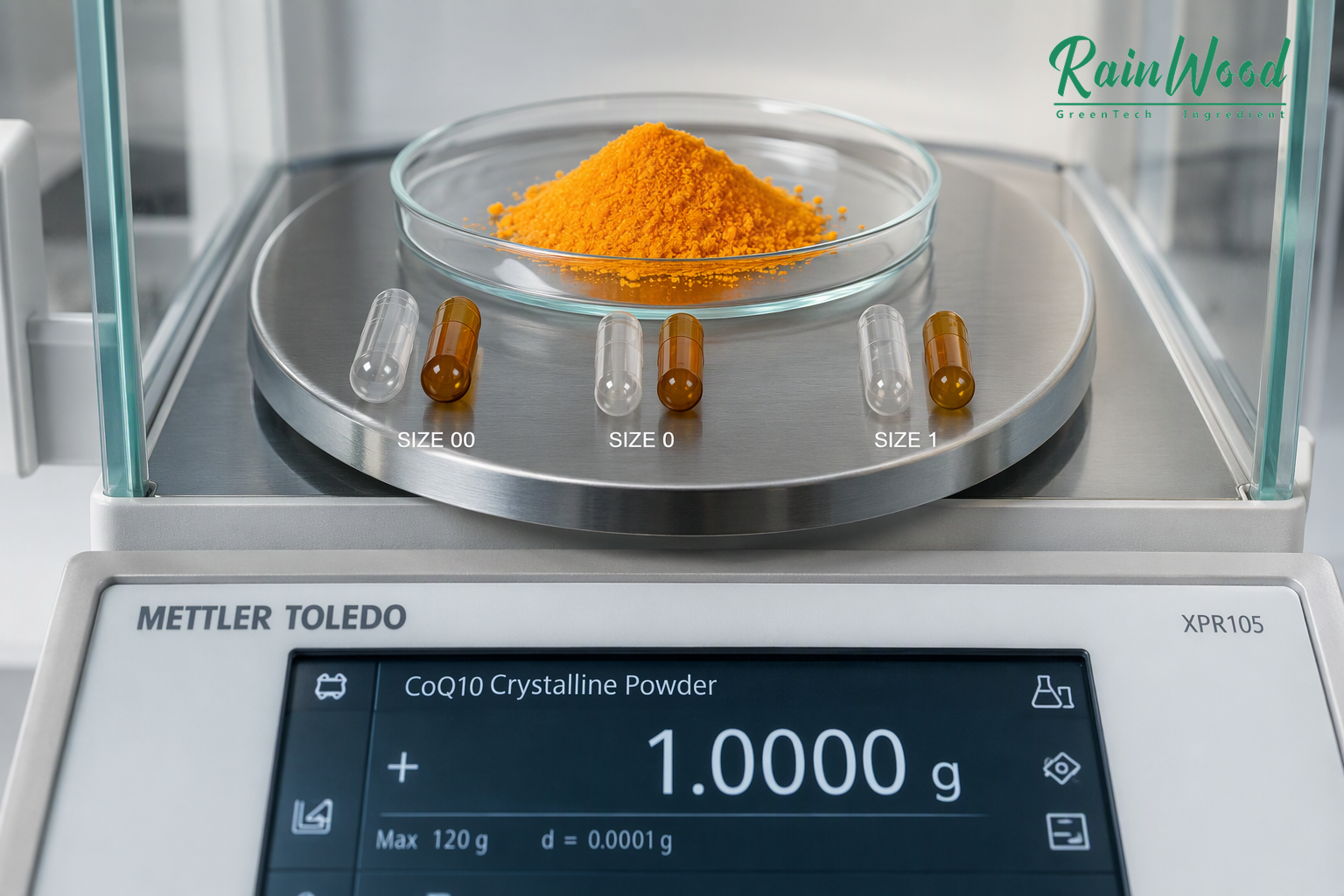
Figure 1: Analytical Evaluation of Capsule Size Capacity (00, 0, 1) vs Pure Crystalline CoQ10 Powder Loading
The label promises 200 mg CoQ10 per serving, but the selected capsule can hold only a fraction of the required blend. The formulator adds carrier, the unit count rises, and the product becomes too expensive for the channel. This problem is common when teams choose a dose from a competitor panel before checking the real density and potency of the purchased CoQ10 material.
Capsule size is not the same as active capacity
A capsule's nominal volume does not tell you how many milligrams of CoQ10 blend it can hold. Bulk density, particle size, flow, carrier, compression behavior, and target fill weight all matter. A crystalline powder and an oil-adsorbed premix may have very different weights in the same capsule.
Start with active dose, assay fraction, process recovery, overage, and blend composition. Use the dose calculation worksheet to calculate theoretical input before selecting a capsule size. Then confirm the result in a pilot with the actual lot.
A practical dose calculation
Use:
active input per unit = target active ÷ assay fraction ÷ expected recovery
If the target is 100 mg, the raw powder assay is 98%, and expected recovery is 95%, the input is approximately 107.4 mg before any additional carrier. If the blend contains 50% CoQ10, the premix input is approximately 214.8 mg. Add a flow aid or diluent and the capsule requirement rises again.
If the serving is two capsules, the daily count may be practical even when one capsule is not. But the label, bottle count, shipping weight, and customer instructions must all be updated. Never hide a capacity problem by changing the serving language after artwork is approved.
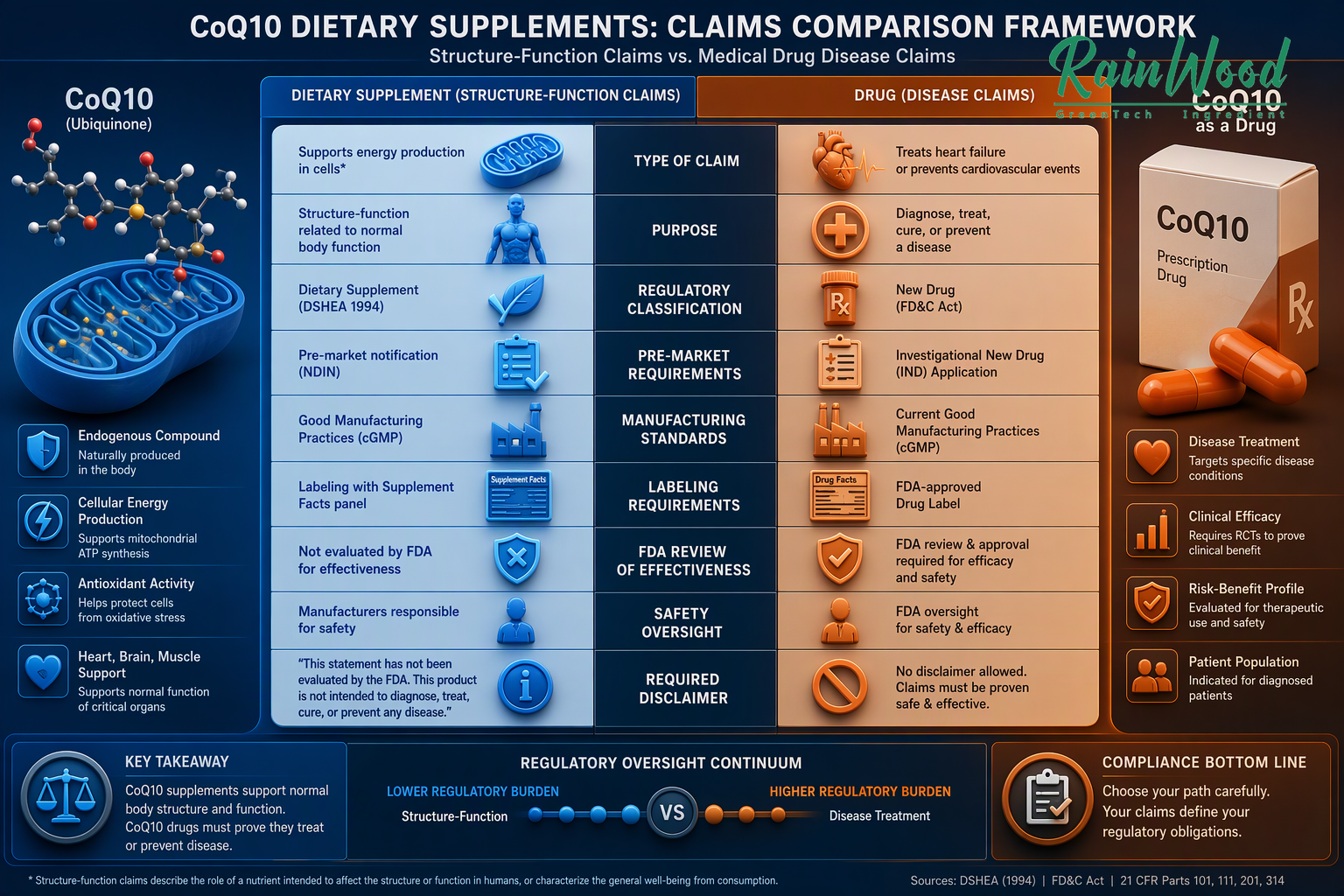
Figure 2: 3D Engineering Infographic: Capsule Volumetric Capacity vs Bulk Density and Active CoQ10 Payload Fractions
Particle properties can change the answer
Particle size affects flow, packing, segregation, and fill-weight variation. Very fine CoQ10 powder may bridge or become airborne. A coarser blend may flow better but segregate from a lighter carrier. The same theoretical fill can produce different production results when bulk density changes between lots.
Request particle size distribution, bulk density, moisture, flow, and blend uniformity data where relevant. Test the beginning, middle, and end of the filling run. If the formula uses a premix, verify that the active remains uniform after transfer and vibration.
Hard capsule and softgel math are different
A softgel dose is determined by fill volume, viscosity, active solubility or dispersion, shell, and seam. A hard capsule dose is determined by powder blend capacity and flow. A tablet dose includes compression and excipient requirements. The same 100 mg headline cannot be moved between formats without a new feasibility review.
Use the CoQ10 softgel format guide to compare the full format burden. If a formula needs three large capsules per serving, a softgel or a different concentration may be commercially stronger, but the choice should be supported by cost and stability evidence.
Overfill can create a label and margin trap
Adding overage may protect a minimum release target, but it also increases raw-material cost and fill weight. If a capsule is already full, overage may force a second capsule. If a softgel is near its fill limit, viscosity and seam problems may appear. Overage should be based on a documented loss mechanism and stability plan.
Set a target, minimum release, and maximum fill range. Review the result whenever the supplier changes potency, form, particle size, carrier, or package. Keep the calculation version linked to the lot and artwork so production does not use an obsolete input.
Make the commercial comparison per daily serving
For each format, compare active milligrams per day, unit count, capsule size, bottle count, raw input, yield, testing, package, shipping weight, MOQ, and customer effort. A lower raw-material price may be offset by larger capsules or more units. A higher concentration may lower bottle count but increase flow and stability risk.
Ask the supplier to provide a pilot fill-weight report, not only a capsule photograph. The report should show the actual active lot, blend, equipment, unit weight, variation, and release result. This evidence helps a brand set a price before the first production order.
How RainwoodBio can support dose feasibility
RainwoodBio publishes OEM support for hard capsules, softgels, tablets, and powder sachets, with requirement confirmation, production control, testing and release, packaging, and traceability. For CoQ10, ask for a dose feasibility review that connects active form, assay, capsule size, daily serving, and target market.
Review the RainwoodBio hard capsule OEM service and agreed quality and release criteria with the current COA, target dose, package, quantity, and timeline.
Capsule approval gate
Before approving artwork, confirm:
- active dose per capsule and per serving;
- assay basis and recovery assumption;
- carrier and excipient weight;
- bulk density and flow data;
- capsule size and practical fill weight;
- number of capsules per day and bottle count;
- content uniformity and finished-product assay;
- stability and package protection;
- cost per released daily serving.
Treat capsule count as a customer-experience decision
Two capsules per day may be acceptable for a practitioner product and unacceptable for a subscription product competing on convenience. A larger capsule may reduce unit count but increase swallowing complaints. A smaller capsule may improve use but increase bottle count, label space, and packaging cost. Record the intended customer routine beside the technical capacity calculation.
During the pilot, ask a real operator to run the blend and record stoppages, hopper bridging, dust, and weight adjustment. Then test the finished units, not only the powder. If the unit count changes, update the product page, subscription instructions, carton count, shipping estimate, and customer-service script together.
Send the target dose, COA, formula, capsule size, package, quantity, and channel for a CoQ10 capsule dose feasibility review. Include the expected retail price so the capacity choice can be checked against the actual margin.
Frequently asked questions
Can 200 mg CoQ10 fit in one capsule?
Sometimes, but the answer depends on active concentration, carrier, density, and capsule size. A pilot is more reliable than a theoretical calculation alone.
Does higher purity always reduce capsule size?
It can reduce raw input, but density, flow, and required excipients still determine the practical fill.
Can the same capsule size work for ubiquinone and ubiquinol?
Not automatically. Their physical form, carrier, and stability system may differ.

Figure 3: cGMP Cleanroom High-Speed Automated Capsule Tamping and Precision Weight Inspection Line
References
- Comparative Bioavailability of CoQ10 Formulations: https://pubmed.ncbi.nlm.nih.gov/12564745/
- Quality Control Assessment of CoQ10 Supplements: https://pmc.ncbi.nlm.nih.gov/articles/PMC2170950/
- RainwoodBio OEM service: https://www.rainwoodbio.com/oem
- RainwoodBio contact page: https://www.rainwoodbio.com/contact-us
*This article is for B2B procurement and educational purposes. Product identity, dose, formulation, analytical, safety, labeling, and regulatory requirements must be confirmed for the exact ingredient, finished format, and destination market.*
Table of Contents
- Capsule size is not the same as active capacity
- A practical dose calculation
- Particle properties can change the answer
- Hard capsule and softgel math are different
- Overfill can create a label and margin trap
- Make the commercial comparison per daily serving
- How RainwoodBio can support dose feasibility
- Capsule approval gate
- Treat capsule count as a customer-experience decision
- Frequently asked questions
- References