 EN
Executive Summary & B2B Formulation Guidance
Statin-related CoQ10 marketing can create medical and regulatory risk. Build a claim-to-evidence file and keep product messaging precise.
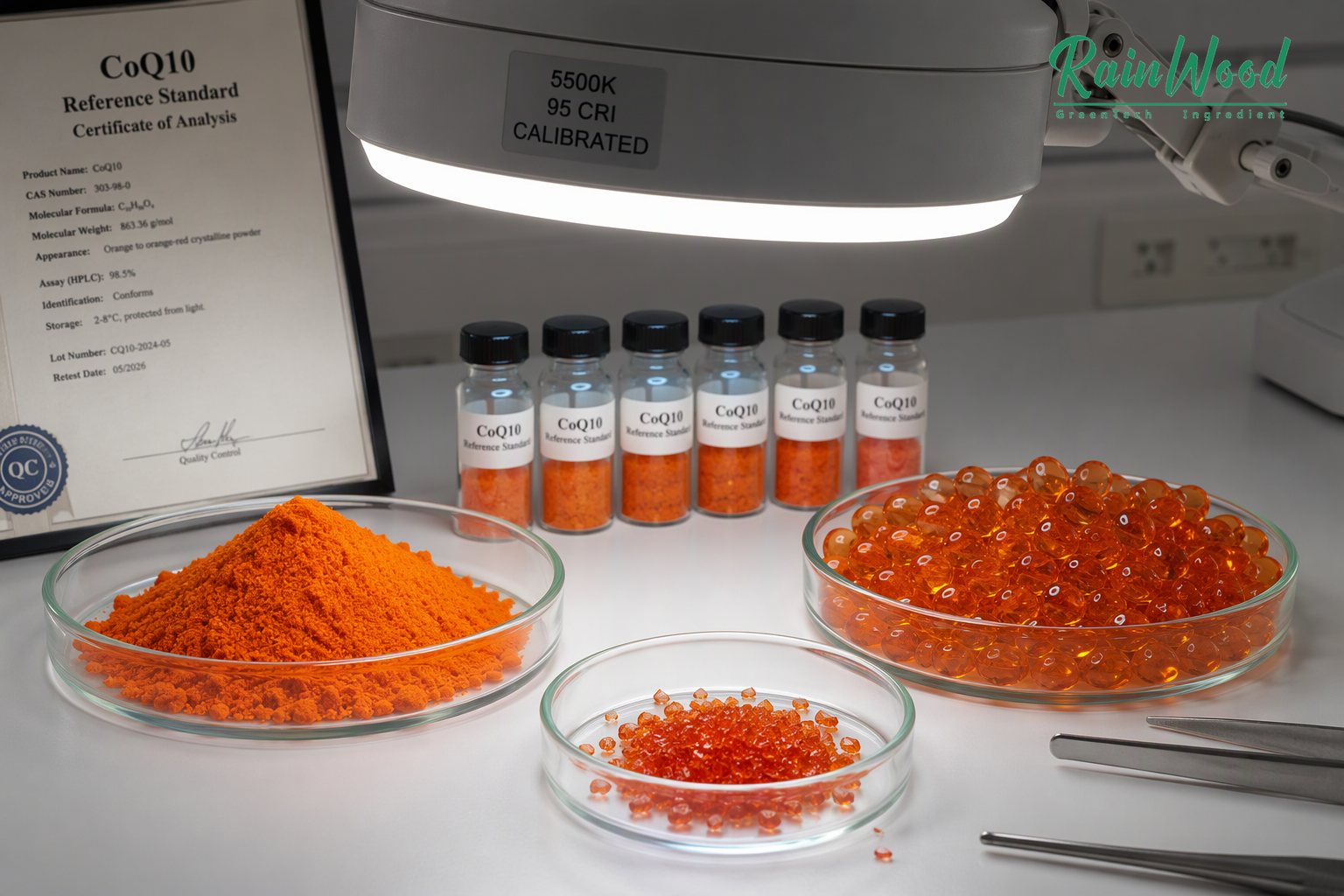
Figure 1: Regulatory Compliance Review of CoQ10 Supplement Packaging, Product Claim Files, and Clinical Support Dossier
The phrase “for statin users” can make a CoQ10 product appear highly targeted. It can also move the product page into a medical conversation your evidence and market review do not support. A distributor may ask for a cardiovascular claim, an Amazon listing may use “statin support,” and customer service may begin answering medication questions. The commercial opportunity is real, but the claim risk is bigger than a headline edit.
Separate customer context from a medical promise
A buyer may want to reach adults who take statins, but that audience description does not automatically authorize a claim that CoQ10 prevents, treats, or reverses a drug-related condition. CoQ10 research includes different populations, doses, endpoints, and formulations. A general supplement cannot borrow a clinical conclusion without matching the evidence chain.
Use the claim evidence checklist to map the study material, dose, population, comparator, endpoint, form, and finished product. Then decide whether the label can use a structure/function or general wellness statement under the target market's rules.
The evidence may not match the product
Studies may use ubiquinone, ubiquinol, a solubilized formulation, or a pharmaceutical preparation. They may measure blood CoQ10, fatigue, muscle symptoms, biomarkers, or another endpoint. A study of one formulation does not automatically prove the performance of another capsule or softgel.
Ask whether the dose, redox form, carrier, serving, and duration match the product you plan to sell. If they do not, describe the evidence limitation. Do not turn a mechanistic rationale into a guaranteed customer outcome.
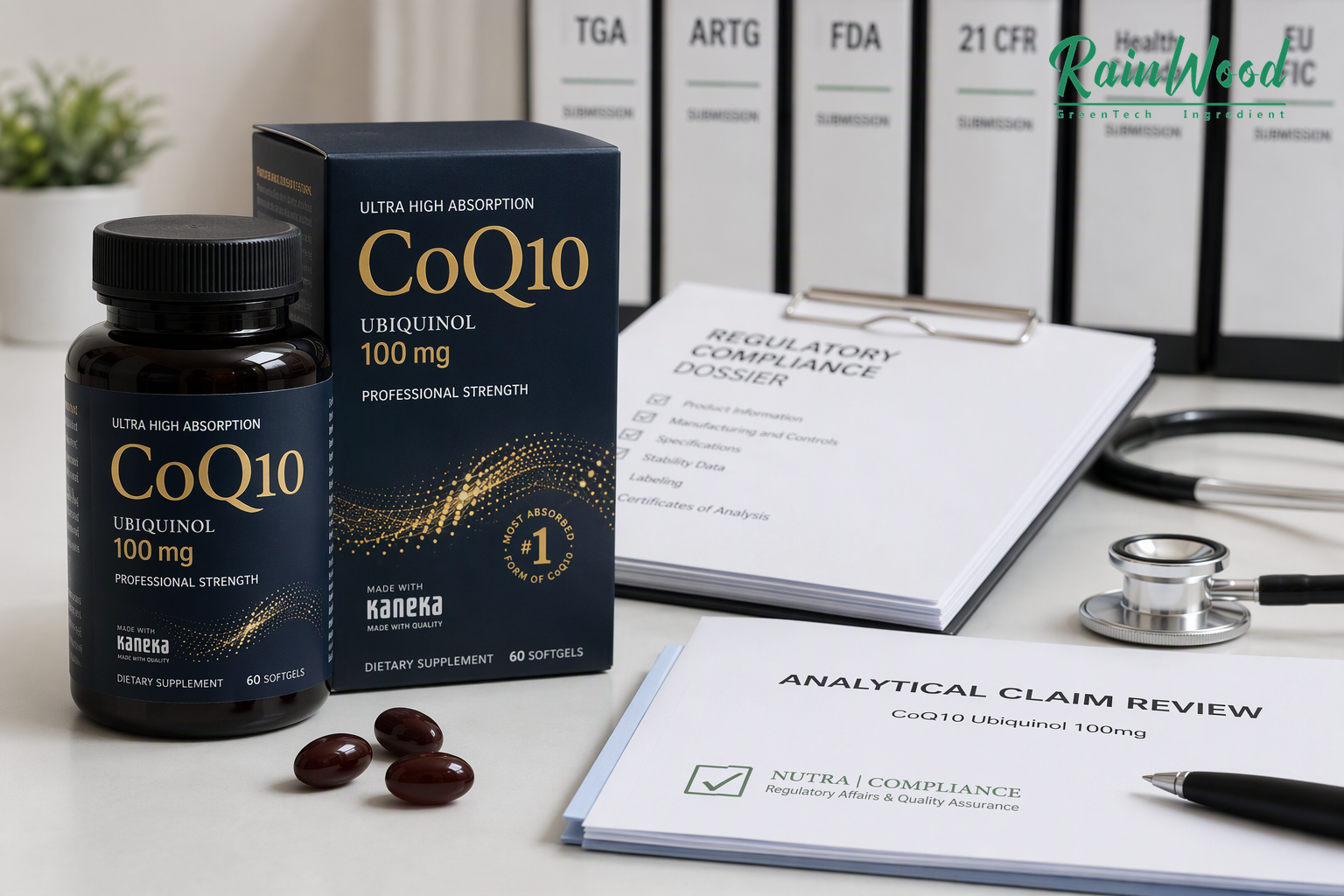
Figure 2: 3D Scientific Compliance Framework: Structure-Function Claims vs Prohibited Medical Drug Claims for CoQ10
“Supports energy” is not a blank cheque
Even softer language can become risky when combined with a drug name, disease reference, before-and-after story, or symptom promise. The page, image, title, testimonials, FAQ, and customer-service script are all part of the claim environment. A disclaimer does not automatically cure an overbroad statement.
Create a claim matrix with approved wording, prohibited wording, evidence source, target market, reviewer, and expiry date. Train the sales team to explain the product without advising customers to change medication or replace professional care.
Customer-service questions need a referral path
Customers may ask whether CoQ10 can be taken with warfarin, insulin, statins, or cancer treatment. Official health sources describe potential interactions and limited evidence for some uses. The supplier should provide technical information, but an individual medication decision belongs with a qualified healthcare professional.
Write a response script that captures the product, dose, form, lot, customer question, and urgency without diagnosis. Escalate adverse-event or urgent-symptom reports through the approved procedure. The customer-question response procedure should be visible to customer service and sales, not hidden in a regulatory folder.
Amazon and distributor pages need the same discipline
An Amazon bullet may say “supports healthy energy,” while a distributor PDF says “helps statin users maintain muscle.” That inconsistency creates evidence and account risk. Review titles, bullets, images, A+ content, FAQs, email campaigns, influencer scripts, and packaging together.
Ask the buyer's target market and channel before finalizing language. A sentence acceptable in one jurisdiction may be restricted in another. Keep the product identity and dose consistent across channels. If the formula changes from ubiquinone to ubiquinol, reopen the claim and evidence review.
How RainwoodBio can support a claim file
RainwoodBio publishes requirement confirmation, product registration and compliance documentation, testing and release, supplier management, and traceability. For a CoQ10 project, the buyer should ask for a product-specific claim and warning review tied to the exact form, dose, format, and market. The company capability is a workflow context; the final wording still needs qualified market review.
RainwoodBio also offers multiple OEM formats. Compare the label and serving language using the RainwoodBio OEM format options and agreed quality and release criteria.
Claim approval gate
Before publishing, confirm:
- exact ingredient form and finished dose;
- study material, dose, endpoint, and population;
- target market and claim category;
- wording across label, listing, ads, images, and FAQs;
- warning and medication-referral script;
- customer-service owner and escalation path;
- evidence version, reviewer, and expiry date;
- change-control trigger for formula or market.
Build a launch-safe language library
Create approved, conditional, and prohibited wording for the label, product page, ads, influencer briefs, sales sheets, and customer service. Include examples of how to describe the ingredient, dose, format, and intended use without implying that the product treats a condition or replaces professional care. Give each market a reviewer and an effective date.
When the formula, serving, redox form, or target market changes, reopen the language library. A claim approved for a capsule may not fit a high-dose softgel or a blend with other actives. Keep screenshots of the live listing and retain the version used for each shipment so the brand can investigate a complaint or platform request.
Send the formula, label, listing, target market, evidence, and customer-service script for a CoQ10 claims review review. Include ad headlines, influencer instructions, distributor language, and every market where the listing will appear.
Keep an escalation record for questions about statins, anticoagulants, diabetes medication, surgery, pregnancy, or adverse symptoms. Record what information was provided and when the customer was referred to a qualified healthcare professional. Review repeated questions for communication improvements, but do not transform a question trend into a medical efficacy conclusion. Give the escalation process a clear owner and response time. Keep the approved response in the customer-service system.
The same discipline applies to testimonials. A customer story about muscle pain, cholesterol, blood pressure, or medication tolerance can become a claim when it is placed beside the product link. Ask for approval before publishing testimonials, remove medical conclusions that the product cannot support, and retain the original wording and date. This protects the brand from accidentally turning a personal experience into a promise for every customer.
Frequently asked questions
Can a CoQ10 product be marketed to statin users?
The audience may be relevant, but the wording and evidence must be reviewed for the target market. Avoid treatment, prevention, or medication-substitution claims.
Does a study on CoQ10 prove a claim for every CoQ10 format?
No. Form, dose, carrier, serving, population, and endpoint must be compared.
Should sales staff answer medication questions?
They can provide approved technical information and refer individual decisions to a qualified healthcare professional.

Figure 3: QA & Regulatory Compliance Team Reviewing Supplement Label Proofs and Amazon A+ Content Guidelines
References
- NCCIH Coenzyme Q10 Safety and Evidence: https://www.nccih.nih.gov/health/coenzyme-q10
- NCBI LiverTox CoQ10 Overview: https://www.ncbi.nlm.nih.gov/books/NBK603562/
- CoQ10 Oxidative Stress Meta-analysis: https://pubmed.ncbi.nlm.nih.gov/35883851/
- RainwoodBio contact page: https://www.rainwoodbio.com/contact-us
*This article is for B2B procurement and educational purposes. It is not medical advice. Product, safety, labeling, claim, and regulatory requirements must be confirmed for the exact formula, market, and customer communication.*
Table of Contents
- Separate customer context from a medical promise
- The evidence may not match the product
- “Supports energy” is not a blank cheque
- Customer-service questions need a referral path
- Amazon and distributor pages need the same discipline
- How RainwoodBio can support a claim file
- Claim approval gate
- Build a launch-safe language library
- Frequently asked questions
- References