 EN

Executive Summary & B2B Formulation Guidance
A CoQ10 softgel is more than active powder in oil. Compare carrier, solubilizer, antioxidant, shell, fill, oxidation, and finished-product testing.
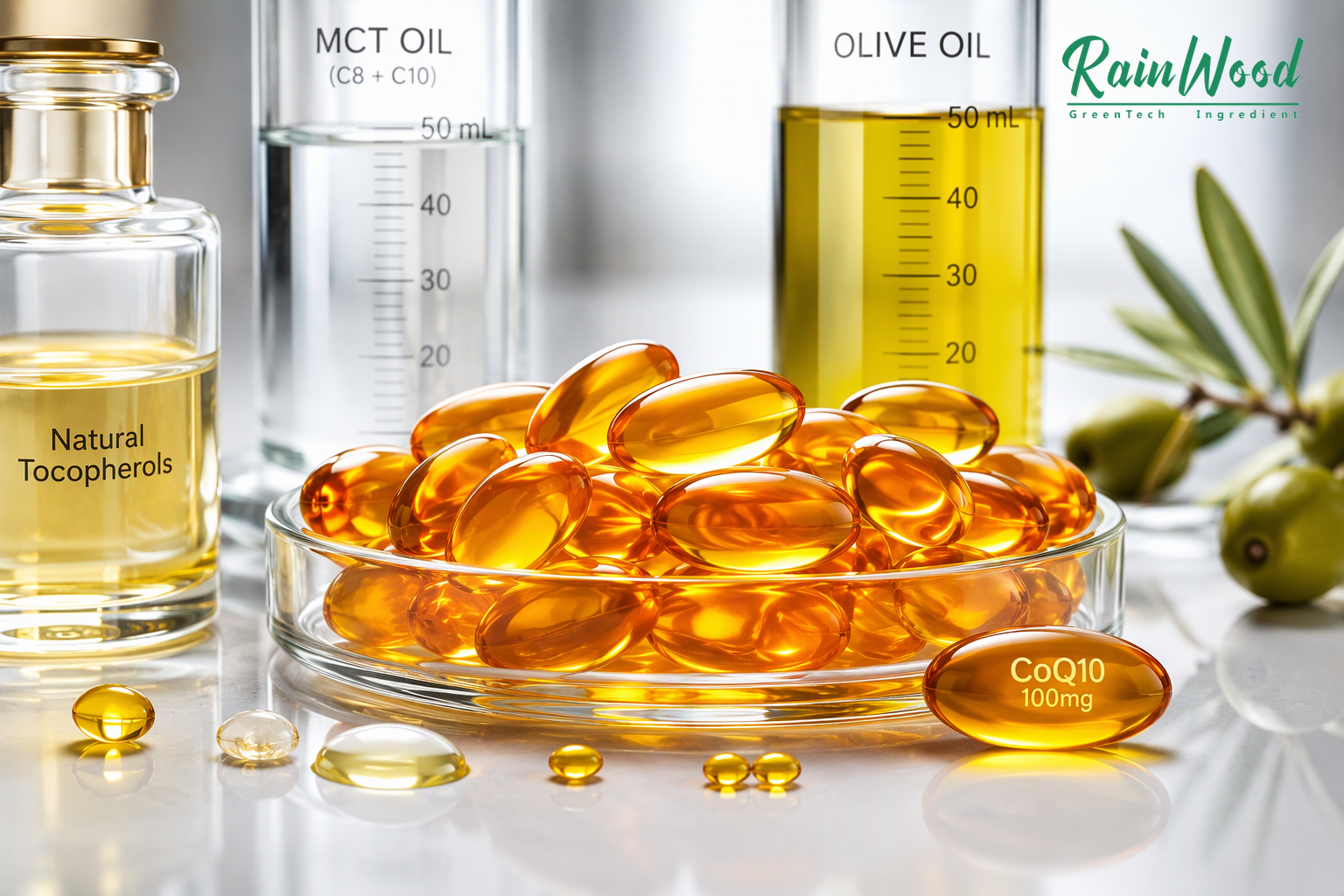
Figure 1: High-Potency CoQ10 Translucent Softgels with Pure Lipid Carrier Oils in Analytical Glassware
The softgel quotation looks straightforward: CoQ10, oil, capsule shell, and a bottle. The real formula is a system. Carrier oil affects solubility and fill viscosity. A solubilizer can change dispersion and label content. Vitamin E may support an antioxidant strategy but can also affect the formula and claims. The shell, seam, headspace, and package decide whether the product arrives intact.
The carrier oil is a functional decision
CoQ10 is lipophilic, so the carrier may help dissolve or disperse the active. But not all oils behave the same way. Their density, viscosity, oxidation profile, source, allergen status, flavor, and market acceptance can differ. A carrier selected for a laboratory sample may not be the best choice for a high-volume softgel line.
Ask for the exact oil identity, specification, peroxide or oxidation controls where relevant, storage, and compatibility with the target market. Use the ingredient identity checklist to separate active CoQ10 from the oil and other excipients.
Solubilizer is not a magic absorption ingredient
A solubilizer or self-emulsifying system may change droplet behavior and release in a test. It also adds weight, cost, taste, regulatory review, and compatibility questions. The buyer should define whether the goal is fill uniformity, faster dispersion, lower viscosity, improved release, or a specific evidence-backed bioavailability outcome.
Do not borrow a proprietary formulation study for a different carrier or ratio. Ask for the exact active form, carrier composition, dose, and finished package used in the evidence. The claim evidence checklist can prevent a formulation feature from becoming an unsupported customer promise.
Vitamin E needs a reason and a number
Vitamin E may be used as part of an antioxidant strategy or as an additional ingredient. The label must distinguish the amount of CoQ10 from the amount and form of vitamin E. The formula team should define why it is included, how it affects stability, whether it changes the oil or shell, and what testing supports the finished product.
Adding vitamin E does not prove that ubiquinol or ubiquinone will remain stable. Test the complete formula under the intended package and conditions. If the formula uses a high amount of oil, evaluate oxidation markers, fill uniformity, and sensory changes over time.
Softgel shell and fill must be qualified together
The shell can be gelatin or a vegetarian alternative, with plasticizer, color, and moisture properties that interact with the fill. A fill that is acceptable in one shell may produce leakage, brittleness, or delayed drying in another. The package must also protect the fill from light, heat, and oxygen during shipping.
Ask for shell composition, fill weight, seam integrity, drying conditions, leak testing, and storage. Test the actual CoQ10 lot in the actual shell and bottle. A placebo softgel cannot prove that the active fill will remain uniform or stable.
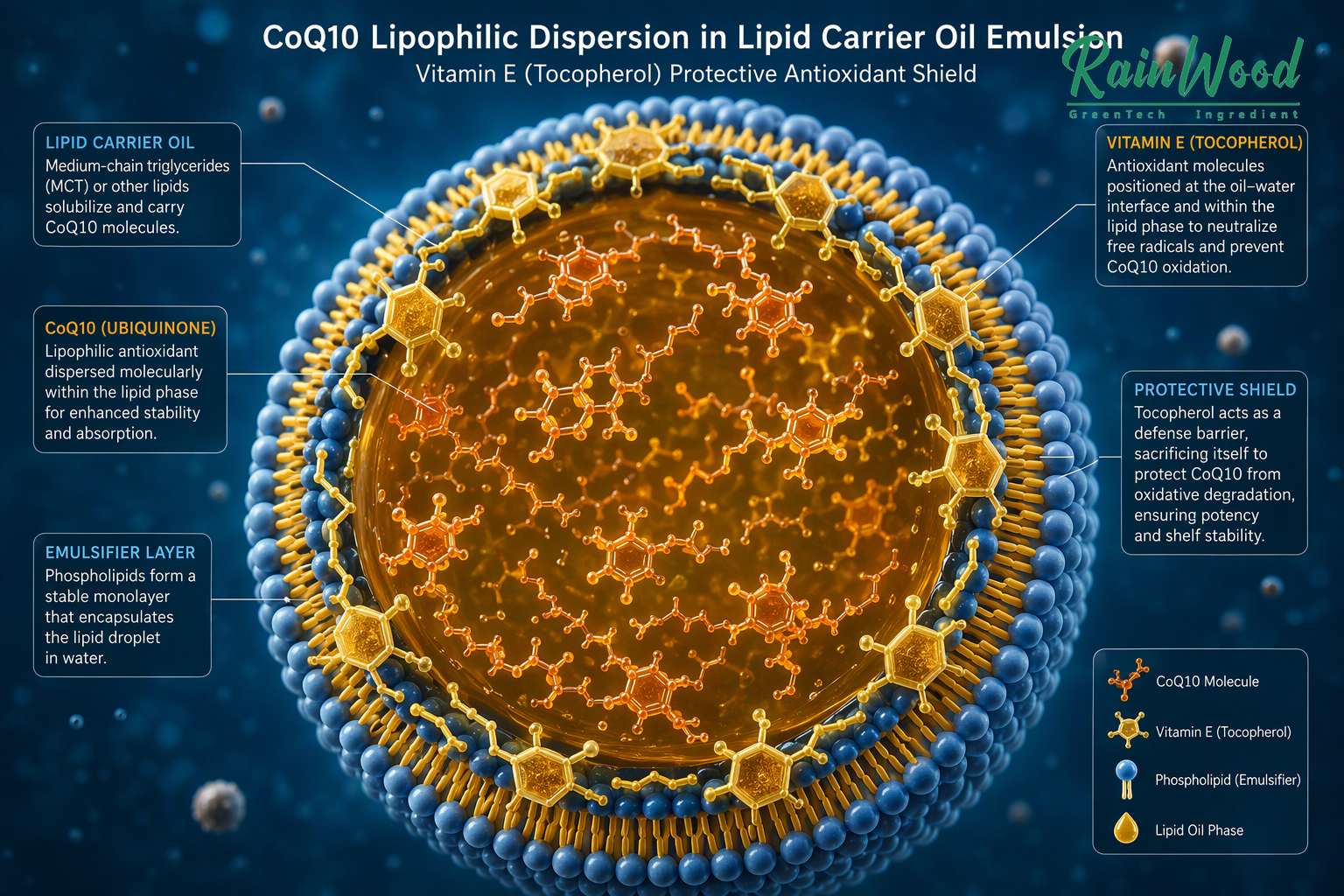
Figure 2: 3D Molecular Visualization of CoQ10 Lipophilic Dispersion with Vitamin E Tocopherol Antioxidant Shield
The formula must survive production, not only bench mixing
Bench work can hide settling, crystal growth, viscosity drift, and transfer loss. Pilot the commercial fill equipment and measure active content in units from the beginning, middle, and end of the run. Record fill weight, visual appearance, seam, leakage, and assay. If the fill is held before encapsulation, define the maximum hold time and storage condition.
The finished-product stability and packaging plan should be connected to the actual fill tank, capsule shell, bottle, closure, and shipment route. Do not treat a raw oil stability sheet as a finished softgel expiry.
Compare softgel quotes by complete formulation
Ask each supplier to disclose active form, CoQ10 purity, oil, solubilizer, antioxidant, shell, fill weight, bottle, count, overage, testing, stability, MOQ, and lead time. Normalize the cost to active milligrams per bottle and released serving. A lower quote may use more carrier, a lower active load, a different shell, or fewer controls.
Include the cost of a failed leak test, oxidation result, or delayed drying. If the supplier offers multiple formula options, ask which one has been piloted with the intended active lot and package. The buyer should pay for a finished-product result, not just a visually appealing sample.
How RainwoodBio can support the softgel decision
RainwoodBio publishes custom softgel and tablet services, raw-material supplier management, production control, testing and release, packaging, logistics, and traceability. For a CoQ10 softgel, request a formulation brief that separates the active, carrier, antioxidant, shell, package, and release tests. The website capability should be followed by product-specific sample and batch evidence.
Review the RainwoodBio softgel OEM service and agreed quality and release criteria with your target form, dose, shell preference, bottle, market, quantity, and timeline.
Softgel approval checklist
Before artwork or deposit, confirm:
- exact CoQ10 form and active amount;
- carrier oil and solubilizer identity;
- vitamin E form and declared amount, if used;
- shell type, fill weight, and seam controls;
- assay, uniformity, oxidation, and stability plan;
- package barrier, headspace, and storage;
- finished-product evidence for any absorption statement;
- change-control and failed-lot terms.
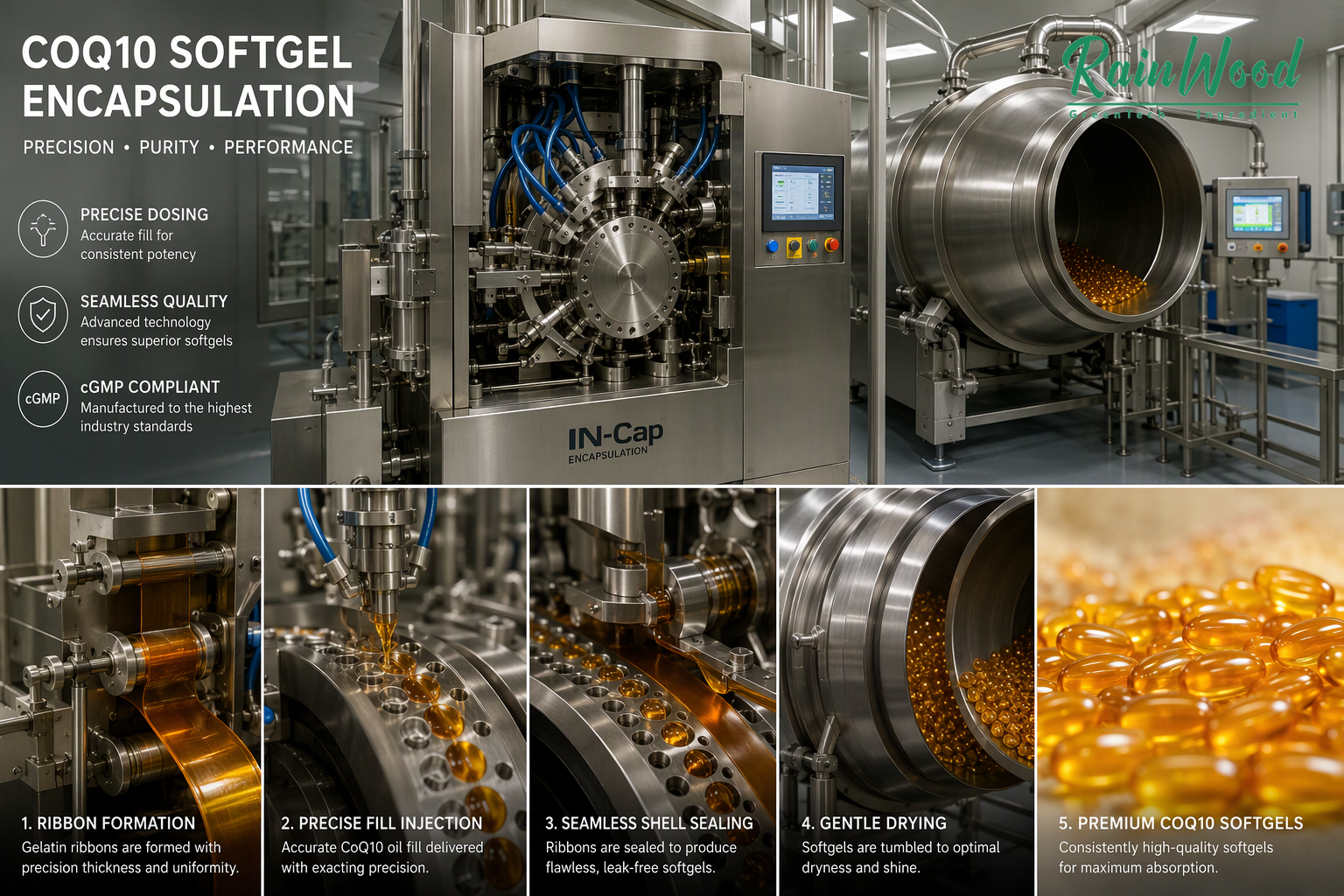
Figure 3: Industrial Rotary Die Softgel Encapsulation Machine with Precision Seam Sealing and Drying Tumbler
Use a formula brief instead of a fashionable ingredient list
The formula brief should state the target active amount, redox form, carrier oil, solubilizer, antioxidant, shell, fill weight, bottle, count, market, and intended statement. It should also state what the formula is not designed to prove. This prevents a future marketer from turning a technical carrier choice into an unsupported absorption or medical promise.
Review the brief at three gates: bench formula, pilot fill, and commercial release. At each gate, confirm active content, fill uniformity, appearance, leakage, redox result where relevant, oxidation indicators, package condition, and cost. If the softgel is changed from gelatin to a vegetarian shell or the oil is changed to meet a sourcing request, reopen the compatibility and stability review.
Send the formula brief, active COA, shell preference, package, target market, and quotation for a CoQ10 softgel feasibility review feasibility review.
Frequently asked questions
Does more oil improve CoQ10 absorption?
Not automatically. The carrier, solubilization, dose, formulation, and evidence for the exact product all matter.
Is vitamin E required in every CoQ10 softgel?
No. It should have a defined formulation or label purpose and be validated in the complete finished product.
Can a supplier change the carrier oil after sample approval?
Only through change control because the change may affect stability, dose, sensory properties, and documentation.
References
- Bioavailability Depends on Carrier Lipids and Solubilization: https://pubmed.ncbi.nlm.nih.gov/30153575/
- Enhanced Oral Bioavailability by Self-Emulsifying Systems: https://pubmed.ncbi.nlm.nih.gov/19446761/
- Stability of Reduced and Oxidized CoQ10 in Finished Products: https://pubmed.ncbi.nlm.nih.gov/33673604/
- RainwoodBio OEM service: https://www.rainwoodbio.com/oem
*This article is for B2B procurement and educational purposes. Product identity, formulation, analytical, safety, labeling, and regulatory requirements must be confirmed for the exact ingredient, finished product, and destination market.*
Table of Contents
- The carrier oil is a functional decision
- Solubilizer is not a magic absorption ingredient
- Vitamin E needs a reason and a number
- Softgel shell and fill must be qualified together
- The formula must survive production, not only bench mixing
- Compare softgel quotes by complete formulation
- How RainwoodBio can support the softgel decision
- Softgel approval checklist
- Use a formula brief instead of a fashionable ingredient list
- Frequently asked questions
- References