Home > Products > Private Label Supplements > Powder Stick Packs - Sachets
Rainwood Biotech supplies spray-dried Spirulina platensis powder for supplement, food and beverage brands. Protein content, phycocyanin level and heavy-metal results are reported per batch — the three numbers that separate a usable food-grade powder from a commodity.
Spirulina is a commodity with a wide quality spread. Two powders can both say 'spirulina' while differing by fifteen points of protein, by whether the phycocyanin survived drying, and by whether the lead and arsenic results will pass a US or EU retail specification. The price difference almost always tracks those three numbers.
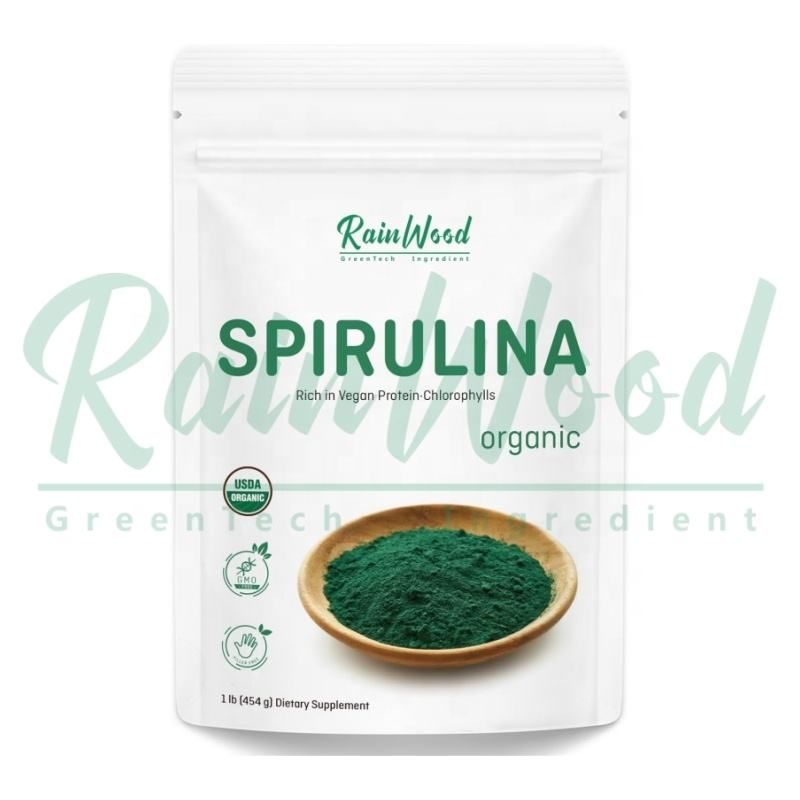
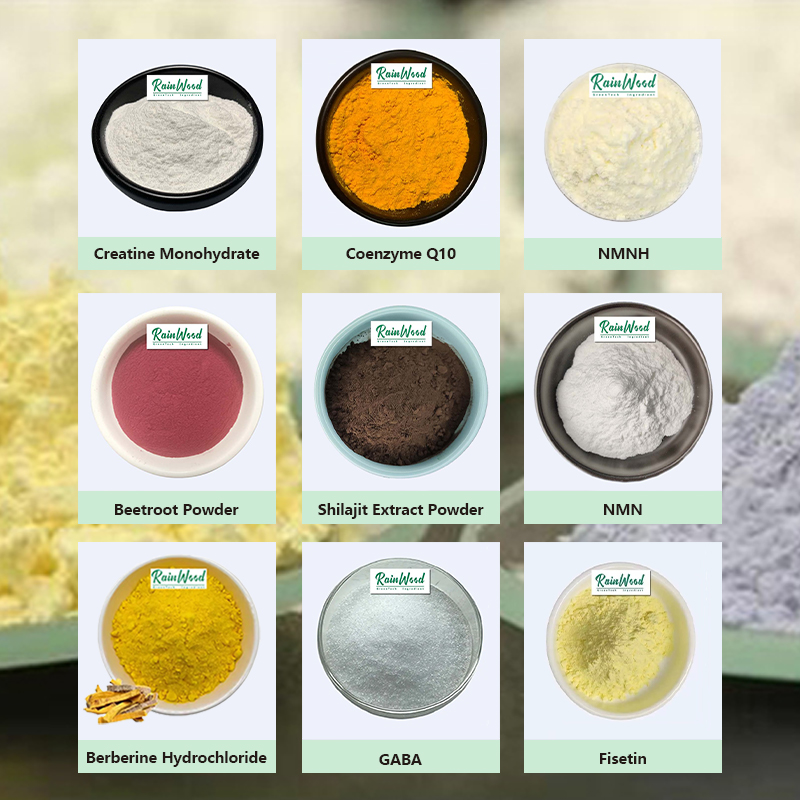
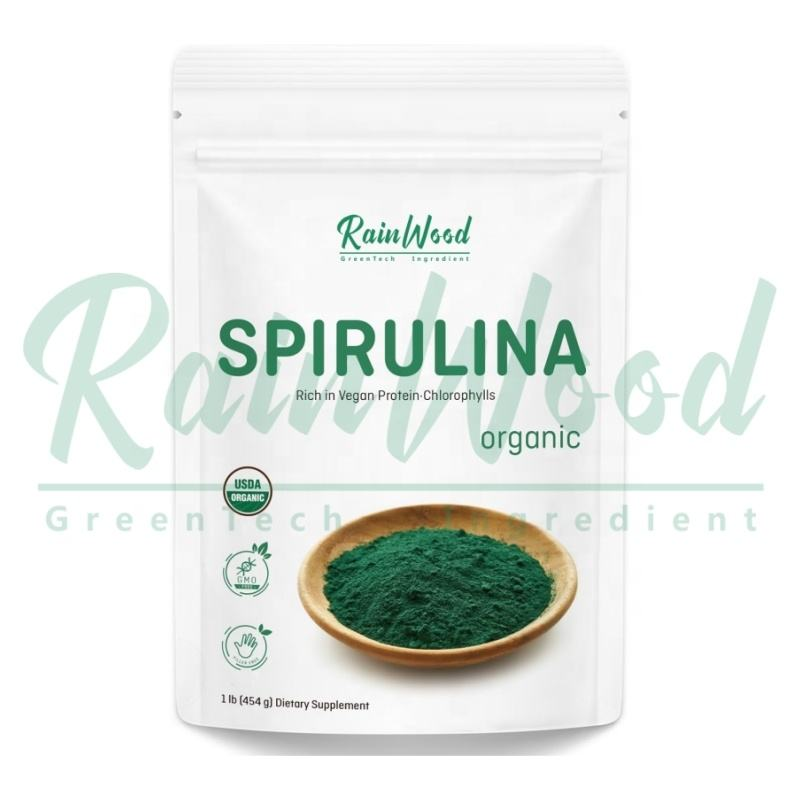
Spirulina powder is dried biomass of Arthrospira platensis, a blue-green algae cultivated in alkaline ponds. It is roughly 55–70% protein by weight and carries phycocyanin, the blue pigment responsible for much of its antioxidant positioning, along with gamma-linolenic acid and a range of micronutrients.
The drying method is commercially decisive. Spray drying preserves phycocyanin and colour far better than open sun drying, and colour is the first thing a consumer judges. A dark, vivid blue-green powder signals a better-dried batch; a dull olive powder usually does not.
The cultivation water is the other determinant. Spirulina absorbs metals from its growing medium, so the heavy-metal result is a function of where and how it was grown rather than of any post-harvest process. This is why a credible supplier reports lead, cadmium, mercury and arsenic per batch instead of pointing to a certificate from two years ago.
In finished products, spirulina is dosed from 1 g to 5 g per day, which is high enough that taste and colour become formulation problems rather than afterthoughts. Most retail products therefore use tablets or blends rather than a pure powder sachet.
| Product name | Spirulina platensis powder |
| Protein | Typically 55–65%, reported per batch |
| Phycocyanin | Reported on the COA |
| Appearance | Fine dark green to blue-green powder |
| Drying method | Spray dried |
| Heavy metals | Lead, cadmium, mercury, arsenic — tested every batch |
| Microbial limits | Total plate count, yeast and mould, E. coli, Salmonella |
| Moisture | Controlled and reported on the COA |
| Particle size | Standard powder; granulated grade for stick packs on request |
| Shelf life | 24 months in unopened container |
| Storage | Cool, dry place, protected from light |
Spirulina is sold as bulk powder, tablets, capsules or blended into green powders. Tablets dominate retail because they solve the taste problem in one step.
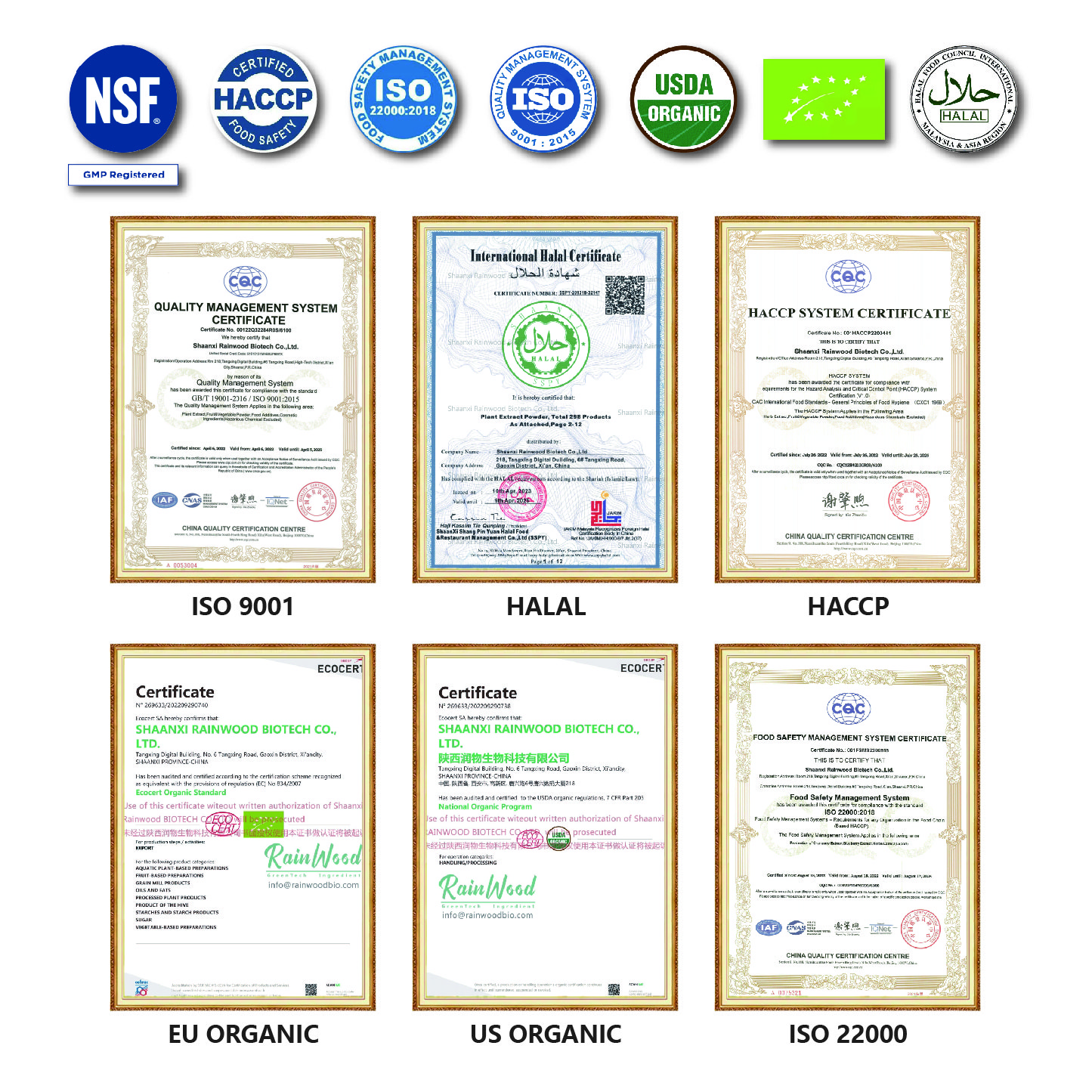
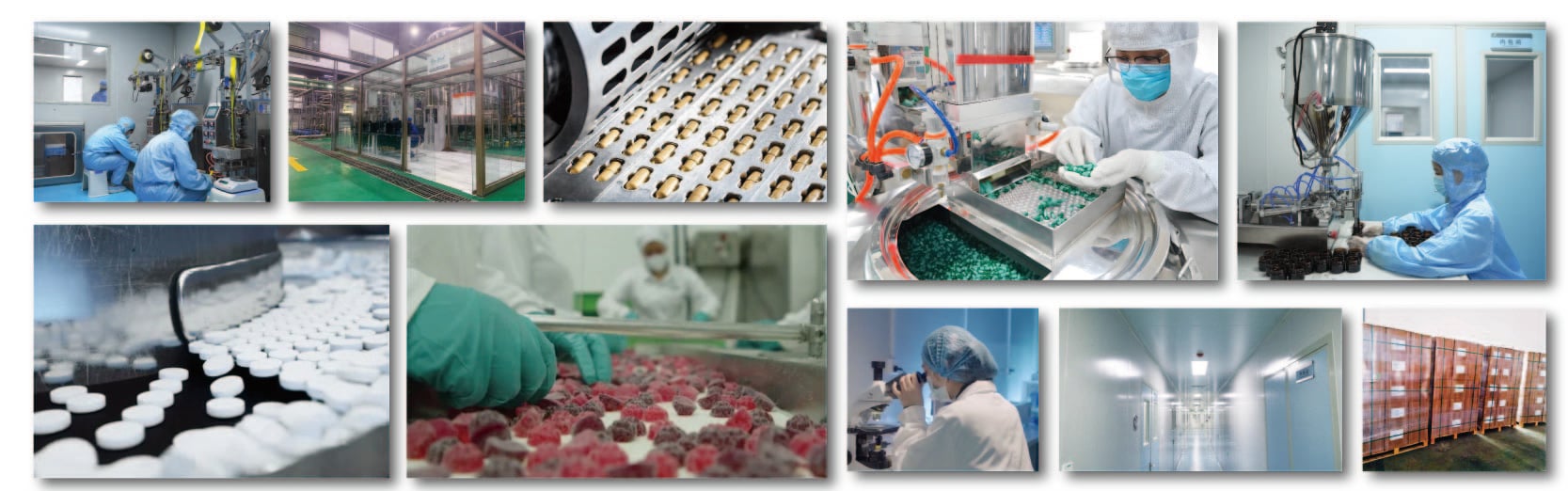
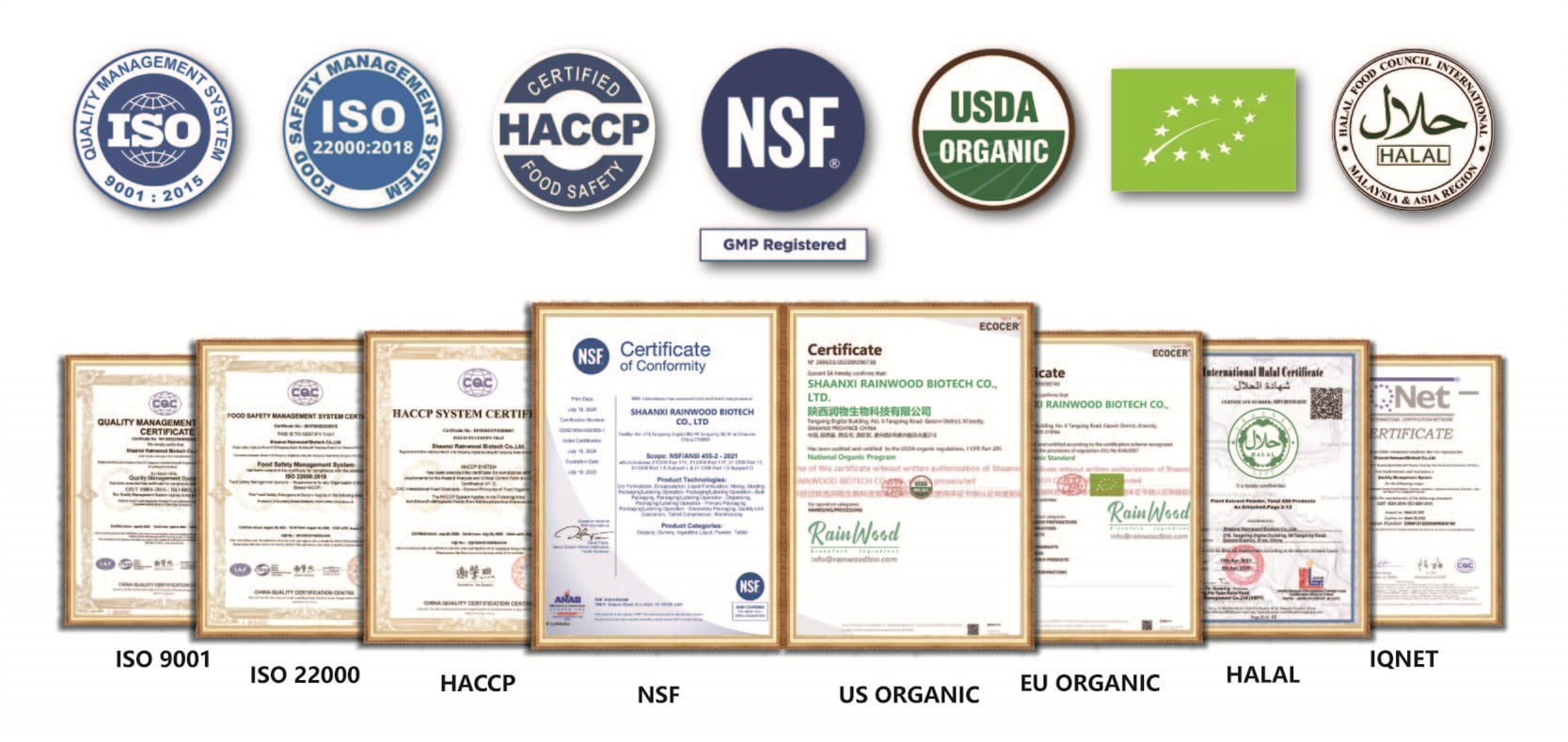
Every batch is sampled and tested before release. We do not ship material that has not passed inspection, and the documentation pack travels with the goods rather than being sent afterwards.
If your compliance team needs a specific test panel or a tighter limit than our standard specification, tell us before the batch is scheduled — changing a specification after production starts usually means remaking the batch.
Powder and tablet orders ship from Qingdao, Shanghai, Guangzhou or Beijing depending on destination. Tablets are pressed in our Xi'an facility.
Spirulina is positioned as a protein and micronutrient source, usually in green blends or as single-ingredient tablets.
These are formulation directions, not medical claims. For this ingredient the main regulatory risk is heavy-metal compliance, not wording.
Spirulina is usually compared with chlorella and other green powders on protein, taste and price.
| Option | Protein | What it means commercially |
| Spirulina | 55–65% | Higher protein, blue pigment (phycocyanin), stronger taste |
| Chlorella | 55–60% | Cell wall must be broken; milder taste; CGF story |
| Moringa leaf | 25–30% | Cheaper per kg, vitamin-rich, much lower protein |
| Wheatgrass | ~20% | Cheapest, different nutrient profile, gluten-free claim complications |
We also supply chlorella powder, moringa leaf powder and spirulina and chlorella tablets for green superfood ranges.
Spirulina is one of the few ingredients where a failed heavy-metal result can end a product line. Algae absorb metals from the water they grow in, so the result reflects the pond, not the processing.
A single batch certificate does not guarantee the next batch. Ask for the heavy-metal result on the lot you are actually buying, and compare it with the previous two lots to see whether the supplier's cultivation is stable.
For European retail, lead limits are tight enough that some spirulina simply cannot be used. It is worth asking for the result before you design the label, rather than after the artwork is approved.
Typically 55–65%, reported per batch on the COA.
Every batch is tested for lead, cadmium, mercury and arsenic. The cultivation water determines the result, so batch-level testing is the only meaningful control.
Yes. Spray drying preserves colour and phycocyanin better than sun drying.
From 1 kg for bulk powder; finished tablets quoted per configuration.
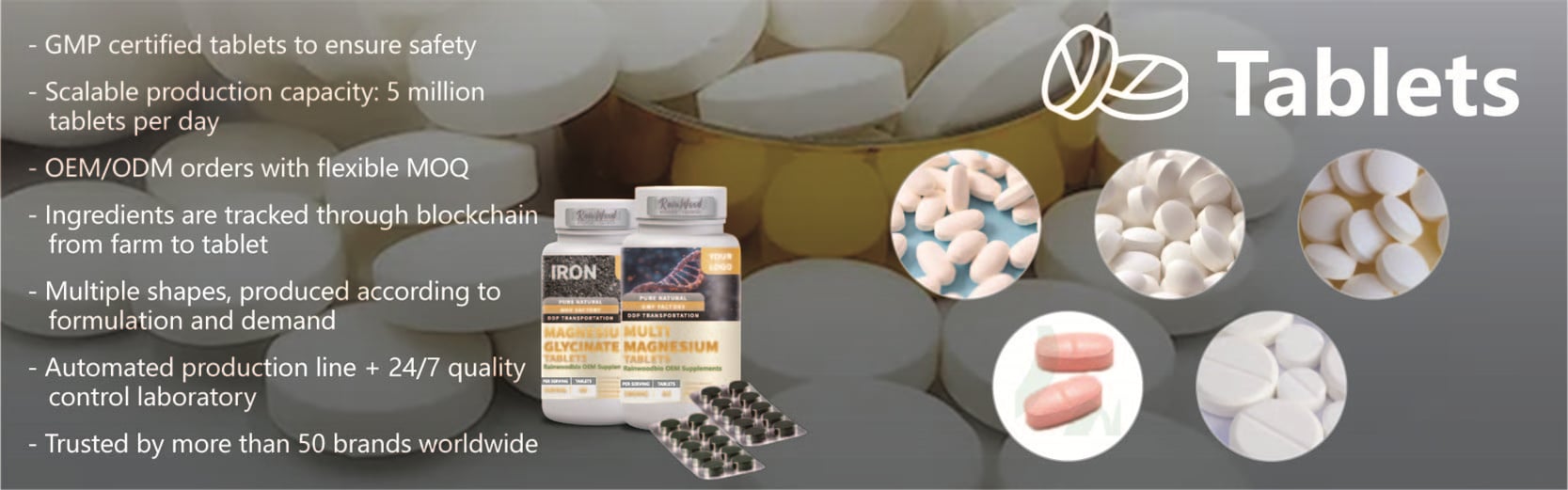
Yes — 500 mg pressed tablets are our most common spirulina format.
Spirulina itself is not a major allergen, but cross-contact depends on the production line. Ask for the allergen statement with the COA.
Yes — pre-mixed green blends under your label.
Slightly, because it depends on phycocyanin content. If consistent colour matters for your retail listing, tell us and we will match lots.
Typically 28 days for finished goods; bulk powder depends on stock.
Organic lots depend on availability. Ask before committing.
Send your target protein level, heavy-metal limits and volume. We will confirm the current batch results and arrange a sample.
|
Magnesium Glycinate Powder |
Matcha Oatmeal Powder |
|
Spirulina Powder |
Ashwagandha Powder |
|
Maca Powder |
Cordyceps Powder |


 EN