 EN
EN

Meta Title: Powder in Seal Prevention in Stick Pack Manufacturing
Meta Description: Powder dust in the heat-seal zone creates micro-channel leaks, clumping, and Amazon customer returns. Engineering solutions for hermetic stick pack seals.
An Amazon customer opens a 30-stick box of creatine electrolyte packets and finds the interior coated in fine white powder. Several packets feel sticky, and two have hardened into rock-solid cakes. The customer leaves an immediate 1-star review: “Packets arrived broken and leaking everywhere.”
The root cause of this failure is rarely a burst pouch. In over 90% of cases, it traces back to powder in the seal area—a micro-fraction of dust trapped between the inner polymer sealant layers as the high-speed vertical heat-sealing jaws close. This prevents true polymer fusion, creating microscopic capillary channels that bleed powder and draw in ambient moisture.
The physics of heat seal contamination
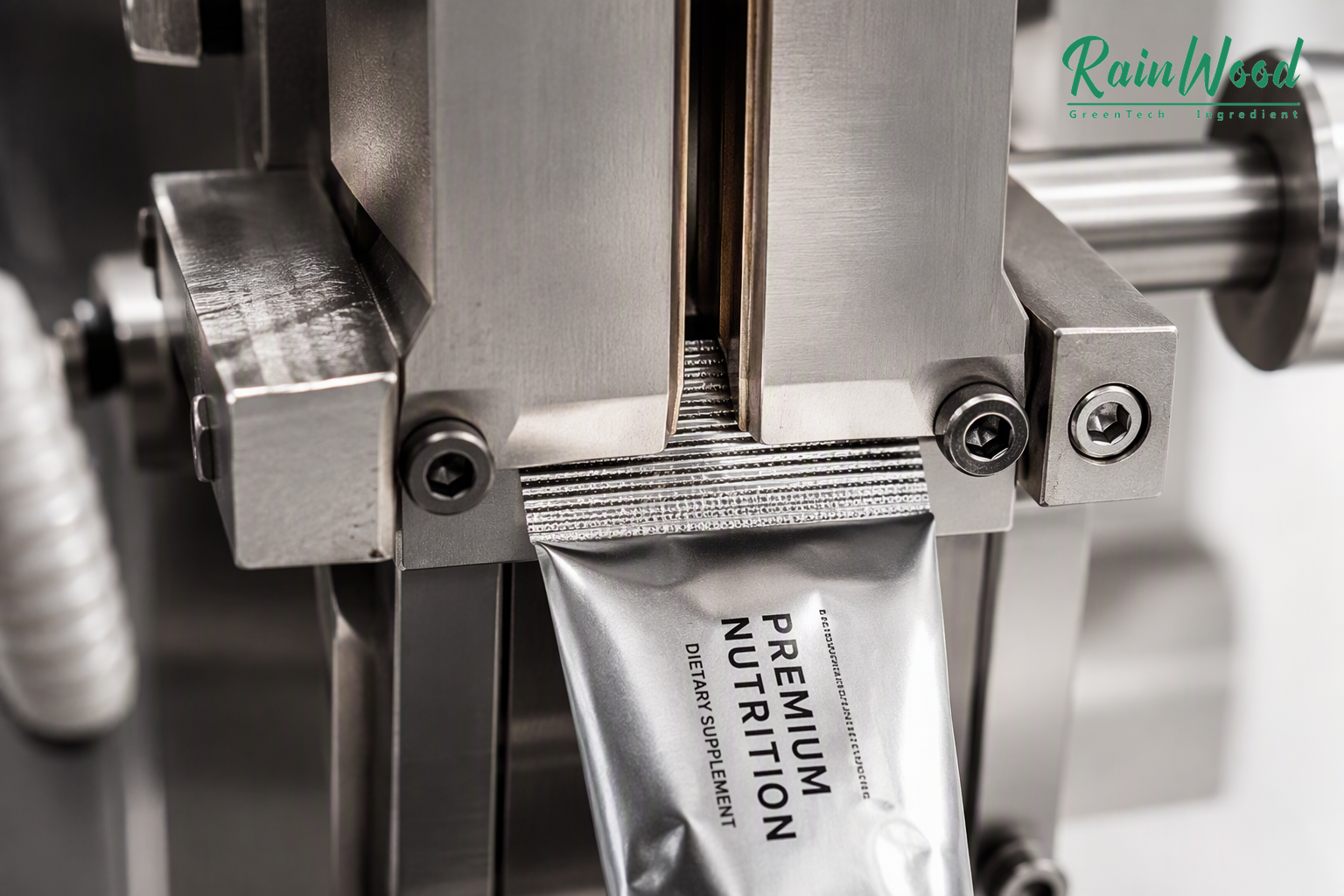
Stick pack machines form a tube from flexible foil laminate, drop a volumetric dose of powder down a central filling funnel, and immediately clamp heated cross-seal jaws. If airborne dust billows upward, or if static electricity causes powder particles to cling to the inner film wall, those particles interrupt the heat-seal bond.
Explore our clean-seal packaging technology and vacuum de-dusting systems Creatine Electrolyte Stick Pack OEM Services.
Why micro-channel leaks destroy moisture-sensitive creatine
A micro-channel leak may be invisible to the naked eye at the factory, but during warehouse storage and air transport, atmospheric pressure changes force humid air into the packet. Creatine monohydrate begins hydrating, electrolyte mineral salts deliquesce, and the entire dose cakes within weeks.
Read our seal integrity testing protocols contact us for OEM consultation.
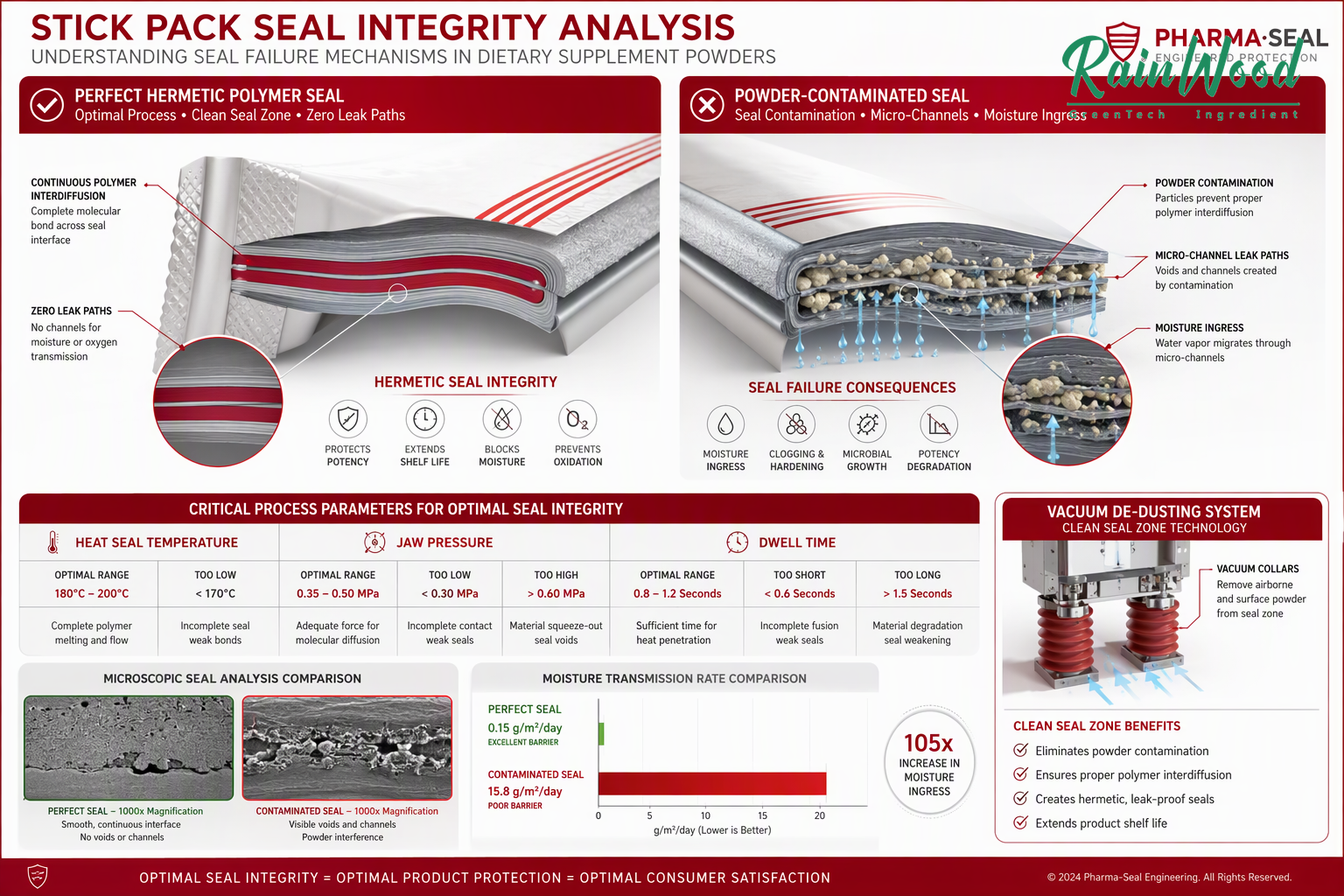
Figure 1: Heat Seal Micro-Structure — 100% Hermetic Polymer Fusion vs Powder Dust Contaminated Capillary Leak Channels.
Seal contamination root cause & mitigation matrix
How RainwoodBio tests hermetic seal integrity
RainwoodBio employs rigorous online quality control. Every 30 minutes, technicians sample finished stick packs across all packaging lanes and place them in an underwater vacuum decay chamber (-80 kPa). If even a single microscopic air bubble escapes from the cross-seal, the line is stopped and calibrated immediately.
Request a stick pack seal qualification and leak test report RainwoodBio format development review.
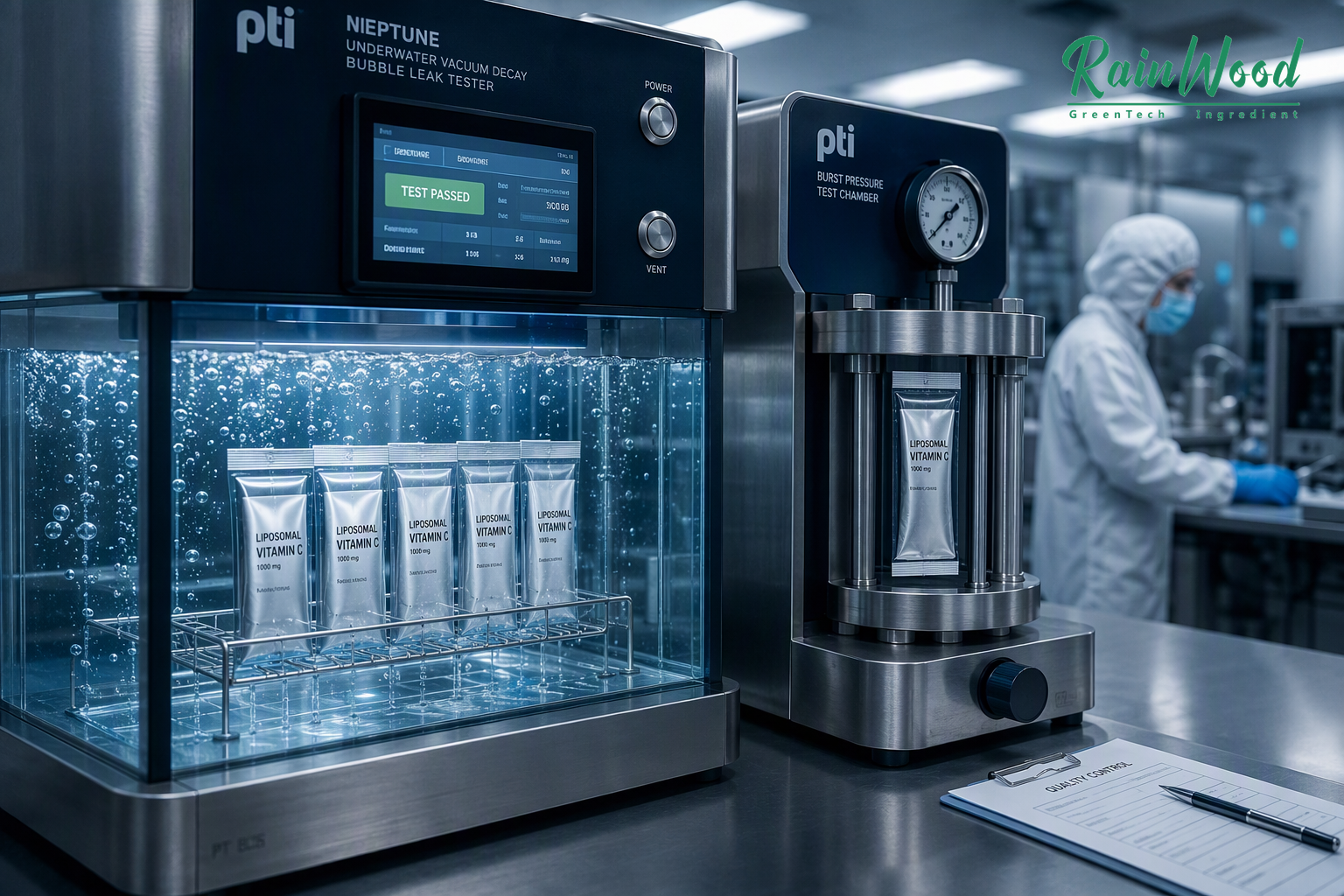
Figure 2: Packaging Quality Gate — Underwater Vacuum Decay Leak Testing & Burst Pressure Verification.
The clean-seal approval gate
- Packaging machines are equipped with active static eliminators and dust extraction funnels;
- Cross-seals pass underwater vacuum leak testing at -80 kPa for 60 seconds with zero bubbles;
- Seal burst pressure exceeds >150 kPa in automated pneumatic pressure testing;
- Outer 30-stick carton inspection verifies zero free powder dusting in finished cases.
Send your stick packaging specs for a seal integrity and leakage audit contact RainwoodBio for formula and packaging review.
Frequently asked questions
Fine powder particles trapped between the inner polymer layers create microscopic capillary channels that compromise the hermetic seal without visibly distorting the foil exterior.
RainwoodBio tests at -80 kPa in an underwater acrylic vacuum chamber, simulating high-altitude air cargo transit and long-term shelf storage.
Ionizing air neutralizes surface electrostatic charges on the foil film, allowing fine powder to drop straight to the bottom of the packet without clinging to the seal area.
References
- ASTM D3078 Standard Test Method for Determination of Leaks in Flexible Packaging by Bubble Emission: https://www.astm.org/...
- Packaging Machinery Manufacturers Institute (PMMI) VFFS Sealing Guide: https://www.pmmi.org
- RainwoodBio Precision Stick Pack Engineering: https://www.rainwoodbio.com/oem
Ready to Optimize Your Stick Pack Formula & Packaging?
Partner with RainwoodBio for cGMP-certified stick pack and sachet contract manufacturing. Custom powder blending, 30-count cartoning, and subscription-optimized packaging.
Request Custom Stick Pack OEM Quote