 EN
The Cheap D-Chiro-Inositol Quote That Hides a Weak Specification
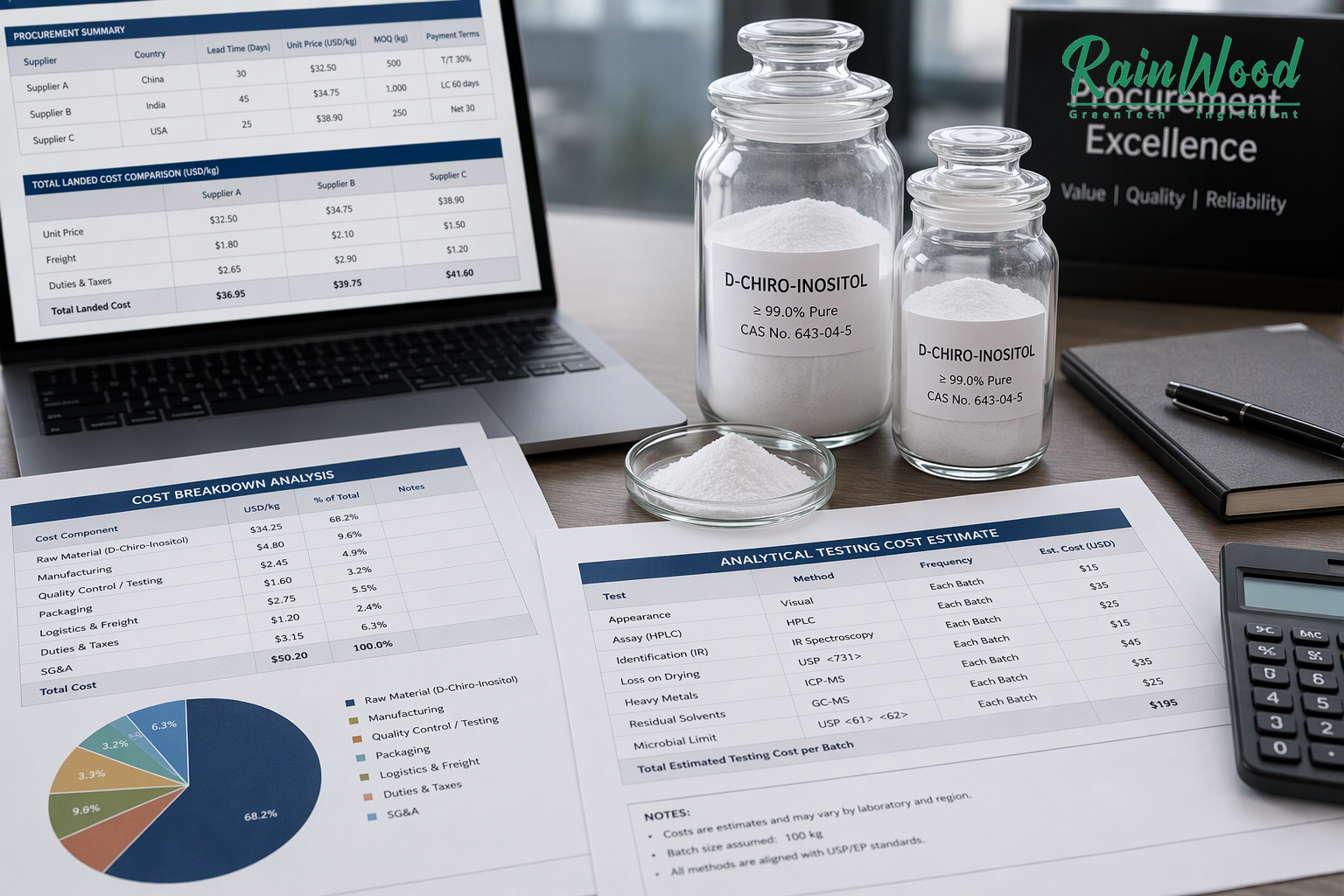
Figure 1: The Cheap D-Chiro-Inositol Quote That Hides a Weak Specification - Commercial & Technical Overview
Executive Summary for B2B Buyers
Expose the hidden risks behind ultra-low D-Chiro-Inositol price quotes. Learn how isomer misidentification, residual solvents, and unvalidated assay methods erode profit margins.
A low price can be real and still be the wrong deal
A D-chiro-inositol quote arrives far below the alternatives. The supplier promises a high assay and a fast delivery date. The buyer wants to secure the margin before the market moves. But the quote may describe a different form, a different assay basis, a small laboratory package, or a material with no finished-product support. The discount is real; the specification gap is real too.
The correct response is not to accuse the supplier. It is to normalize the offers before comparing them. A buyer needs to know what is included in the price, what remains untested, and where the supplier has transferred risk to the brand.
Where the price gap can come from
The first gap is identity. “Inositol,” “myo-inositol,” and “D-chiro-inositol” can appear in loosely written quotations. If one offer is for a different form, the kilogram price is not comparable. Use the inositol identity guide to lock the exact product before discussing discounts.
The second gap is assay basis. An as-is result and a dry-basis result can make the same powder appear different. A quote may also calculate price on total material weight while the buyer needs a specific active amount. In a 40:1 blend, the cost should be calculated from the amount of D-chiro-inositol actually delivered per serving, not simply the bag weight.
The third gap is testing. A low quote may include only appearance and one assay line. It may not include identity, stereochemical evidence, related forms, water, contaminants, finished-blend uniformity, or stability. Those tests may become the buyer's cost after the shipment arrives.
The fourth gap is package and shelf life. A small sealed pouch may be cheaper than a bulk liner that must survive opening, transport, and warehouse storage. If the material cakes or loses flow, the buyer pays in rework and delayed filling.
The buyer loss from buying only by kilogram
The obvious loss is a failed lot. The less obvious loss is a failed launch schedule. A brand may have ordered printed sachet film, booked a production window, and committed advertising before discovering that the quoted material cannot support the approved ratio or format.
The brand can also lose evidence continuity. If the cheap supplier cannot show the source, method, or change-control policy, each replacement lot becomes a new qualification project. A lower raw-material cost can therefore produce a higher cost per released finished unit.
Build a like-for-like quotation sheet
Compare exact form, assay basis, identity method, individual myo and D-chiro amounts, related-form limits, water, residual solvent or metals where relevant, microbiological requirements where relevant, package, storage, shelf life, MOQ, lead time, and documentation. Add sampling, pre-shipment testing, independent confirmation, and replacement terms.
Then calculate usable cost: active amount per serving, number of units per box, expected yield, filling and testing, packaging, freight, storage, and the cost of rejected or reworked material. For sachets, include film, sealing, powder loss, and transport protection. For capsules, include shell count and bottle capacity.
Ask whether the price covers a raw material, a premix, or a finished OEM product. These are different purchases. The inositol format comparison explains why the format can change the cost more than the initial powder price.
Questions that expose a weak quotation
Ask the supplier to identify the exact D-chiro-inositol form, lot, manufacturer, assay basis, identity method, reference standard, package, and shelf life at shipment. Ask what is included in the COA and what is not. Ask how the supplier will support a 40:1 blend and whether finished sachet testing is available.
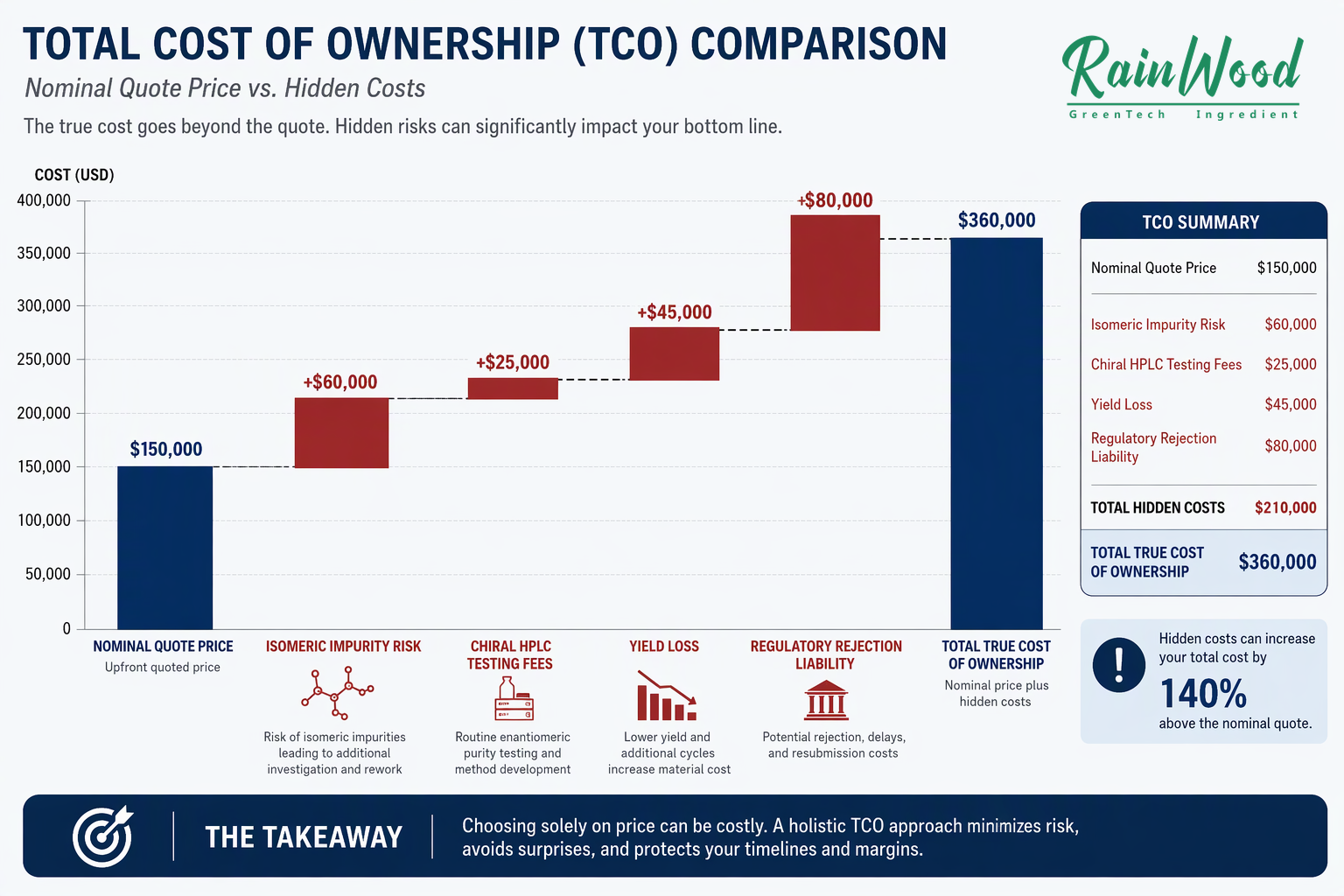
Figure 2: Inositol Formulation Architecture & Analytical Verification Matrix
Ask how the supplier handles a failed result. Does the company replace the lot, fund confirmation testing, allow rework, or require the buyer to absorb the risk? This conversation is a better indicator of commercial maturity than a promotional phrase such as “premium quality.”
How RainwoodBio can support quote normalization
RainwoodBio publishes requirement confirmation, supplier management, process control, testing and release, compliance documentation, and OEM support for powder stick packs, capsules, tablets, and other formats. These capabilities are relevant when a brand wants to compare a raw-material quote with a complete product solution. The buyer should still request exact D-chiro-inositol evidence, the proposed specification, and product-specific costs.
Quote approval gate
Do not approve a low quote until you can answer:
- Is this the same exact form as the other offers?
- Is the assay basis comparable?
- Does the price include the identity and impurity evidence you need?
- Is the package suitable for transport and storage?
- Can the supplier support the finished ratio and format?
- Who pays if the commercial lot fails?
Request a quotation normalization review with the competing quotations, target serving, package, and market.
Ask where the risk is being transferred
Every quote places risk somewhere. A supplier may offer a low raw-material price but leave the buyer to pay for independent identity testing, special storage, finished-blend testing, or replacement freight. Another supplier may quote a higher price because the package, documentation, and release support are included. The buyer should make that transfer visible before comparing margins.
Request two totals: landed raw-material cost and released finished-product cost. Add the expected cost of a failed lot or a second test when the specification is incomplete. This does not make the quote unnecessarily complex; it makes the commercial decision honest.
Require a quote with scope and exclusions
Ask the supplier to list what is included: sample, identity testing, lot COA, package, stability, finished-product testing, label support, freight, and replacement terms. Ask the supplier to list exclusions too. A quote that is transparent about scope can be compared fairly with a quote that appears cheaper because the buyer has not yet priced the missing controls.
Separate budget price from approved price
Use the first quotation for budgeting only when the specification is incomplete. Before a purchase order, issue an approved quotation tied to the final form, test panel, package, and release terms. This prevents a preliminary price from becoming a false benchmark when the product requirements are later made visible.
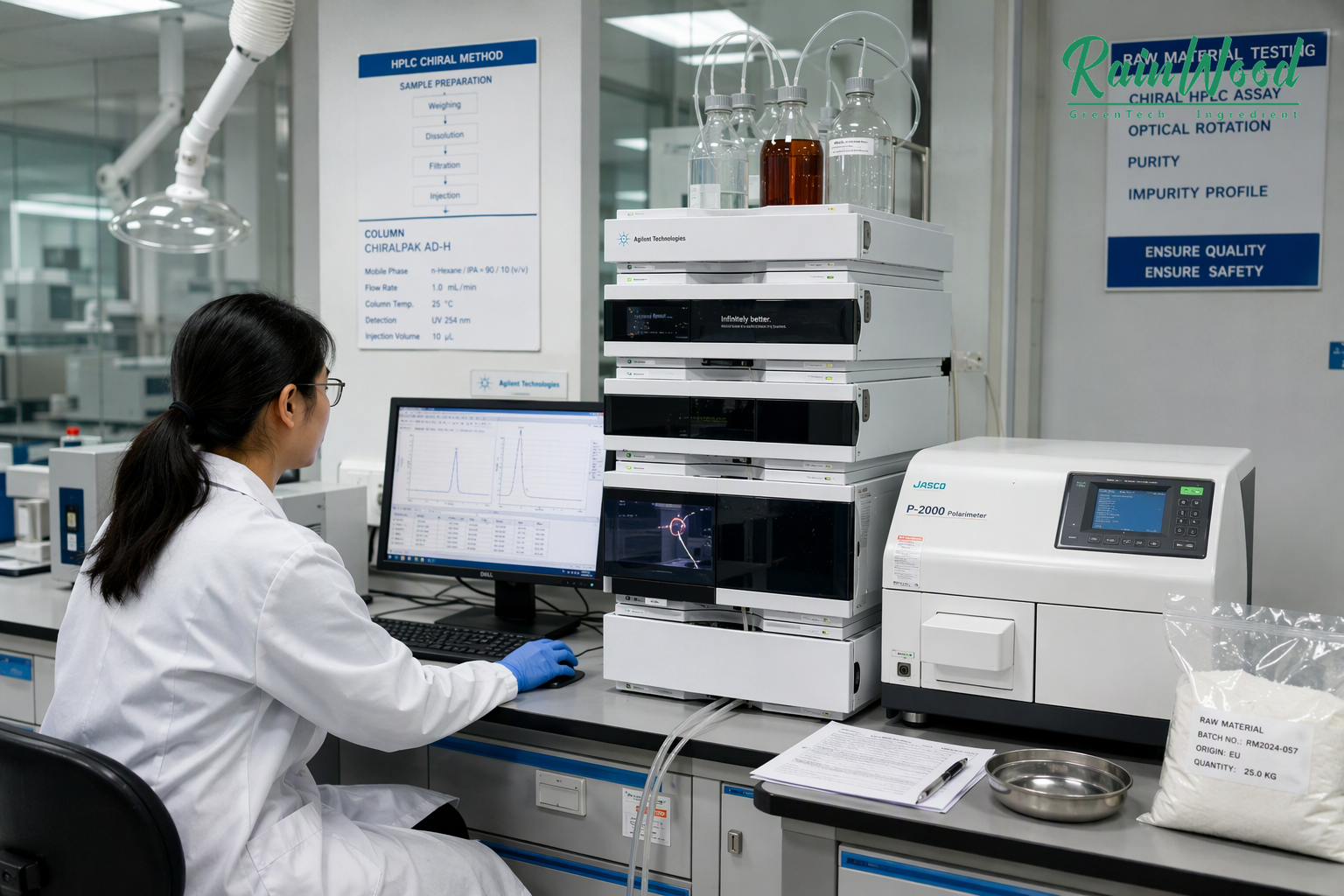
Figure 3: cGMP Stick Pack Packaging & Chiral Testing Release Standards
Frequently asked questions
Is a cheaper D-chiro-inositol quote always risky?
No. It may reflect scale or logistics. The issue is whether the specification, testing, package, and accountability are genuinely comparable.
Should a buyer pay for independent testing?
It can be appropriate for a new supplier, high-value lot, or disputed result. The method should match the question.
Can a high assay justify a low quote?
It may contribute to value, but assay alone does not prove identity, ratio support, stability, or finished-unit performance.
What should be negotiated first?
Lock identity, form, specification, testing, package, release, and failure terms before negotiating only on price.
Conclusion
The cheapest D-chiro-inositol quote is valuable only when it delivers the same active, evidence, package, and commercial accountability as the alternatives. Normalize the offers before you protect a margin that may disappear during production.
Disclaimer: This article is for B2B commercial and procurement planning. It is not medical advice and does not establish that D-chiro-inositol treats, prevents, or cures disease.
References
- https://pubmed.ncbi.nlm.nih.gov/38163998/
- https://pmc.ncbi.nlm.nih.gov/articles/PMC11309080
- https://www.rainwoodbio.com/oem
Looking for Turnkey Inositol 40:1 Sachets or Bulk Raw Material?
Share the competing quotations, target serving, package, and market so Rainwood Bio can discuss a like-for-like specification and cost review for your project.