 EN

The 40:1 Myo-Inositol to D-Chiro-Inositol Sachet Is Not Just a Marketing Ratio
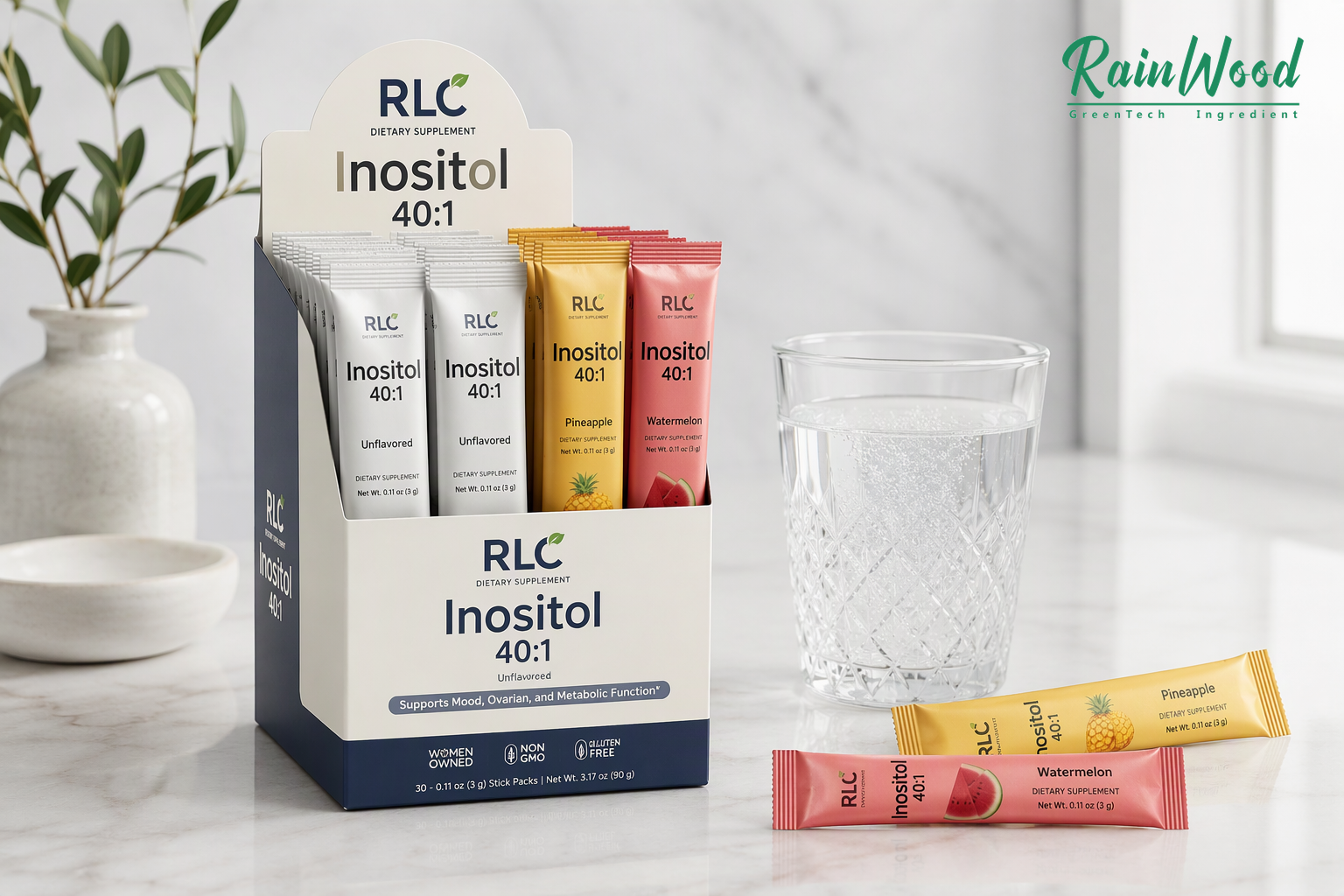
Figure 1: The 40:1 Myo-Inositol to D-Chiro-Inositol Sachet Is Not Just a Marketing Ratio - Commercial & Technical Overview
Executive Summary for B2B Buyers
Master the engineering requirements of 40:1 Inositol Sachets. From active payload dosing and dissolution speed to multi-layer foil barrier protection and high-speed packaging tolerances.
A ratio on a sachet can look more precise than it is
The front of the box says 40:1. The product is positioned as a carefully designed myo-inositol and D-chiro-inositol powder. A buyer assumes every stick contains the same relationship and that the ratio itself explains the product quality. It does not. The ratio is a formula statement. The sachet is a production and release statement. Both need evidence.
The buyer must know whether 40:1 means active weight, input-material weight, or the composition of a premix. The buyer must also know the actual milligrams of each form per sachet and per daily serving. Without those details, a ratio can make two very different products look equivalent.
What the customer is actually buying
Suppose a sachet contains 2,000 mg of myo-inositol and 50 mg of D-chiro-inositol. That is 40:1 by active weight. Another sachet could contain 4,000 mg and 100 mg and display the same ratio. The use experience, box count, monthly cost, and formula evidence are different.
Carrier weight creates another difference. If D-chiro-inositol is supplied in a premix, the premix may weigh more than the active component. The master formula must show the active amount separately from the carrier. A finished label should not make the customer reverse-engineer the math.
Use the inositol ratio calculation guide to compare the active amount, sachet weight, servings per day, and monthly supply before approving the design.
Why sachets make the ratio harder to control
The low-dose D-chiro-inositol component can segregate during mixing, transfer, hopper holding, vibration, and filling. A sachet can have a passing total weight while missing the intended D-chiro amount. The package can also pick up moisture, changing flow and making the low-dose distribution less predictable.
The supplier should define the premix method, mixing order, batch size, sampling, and finished-unit release. A high total assay or a clean-looking powder does not prove every stick contains the printed ratio. The inositol sachet uniformity guide focuses on this risk.
The commercial loss from ratio theater
The brand may pay for a premium formula but deliver a variable dose. A failed release can affect thousands of sealed sticks because reworking a filled sachet is rarely simple. If the issue is discovered after launch, the brand may face customer complaints, platform questions, and expensive replacement inventory.
The ratio can also create an evidence trap. A study about a specific combination or dose may be used to sell a different sachet simply because both show “40:1.” The product file should connect the study material, commercial ingredient, purchased lot, finished formula, and customer claim.
What to put in the specification
Write the exact forms, active milligrams per stick, total net fill, ratio basis, assay basis, water limit, blend-uniformity limit, package, film barrier, storage, shelf life, and sampling plan. Define which values are release limits and which are typical. State whether a premix is used and how its potency is calculated.
The finished-product COA should report the attributes that matter to the label. A raw-material COA is not a substitute for a finished sachet result. If the product includes flavor, folate, chromium, or another nutrient, confirm the method is suitable for the final matrix.
How RainwoodBio can support ratio-based sachets
RainwoodBio publicly describes powder stick-pack OEM capability, requirement confirmation, raw-material supplier management, process control, testing and release, packaging, and traceability. These capabilities are relevant to a ratio-based inositol product. The buyer should request product-specific evidence for the formula, premix, filling run, film, and finished-unit release.
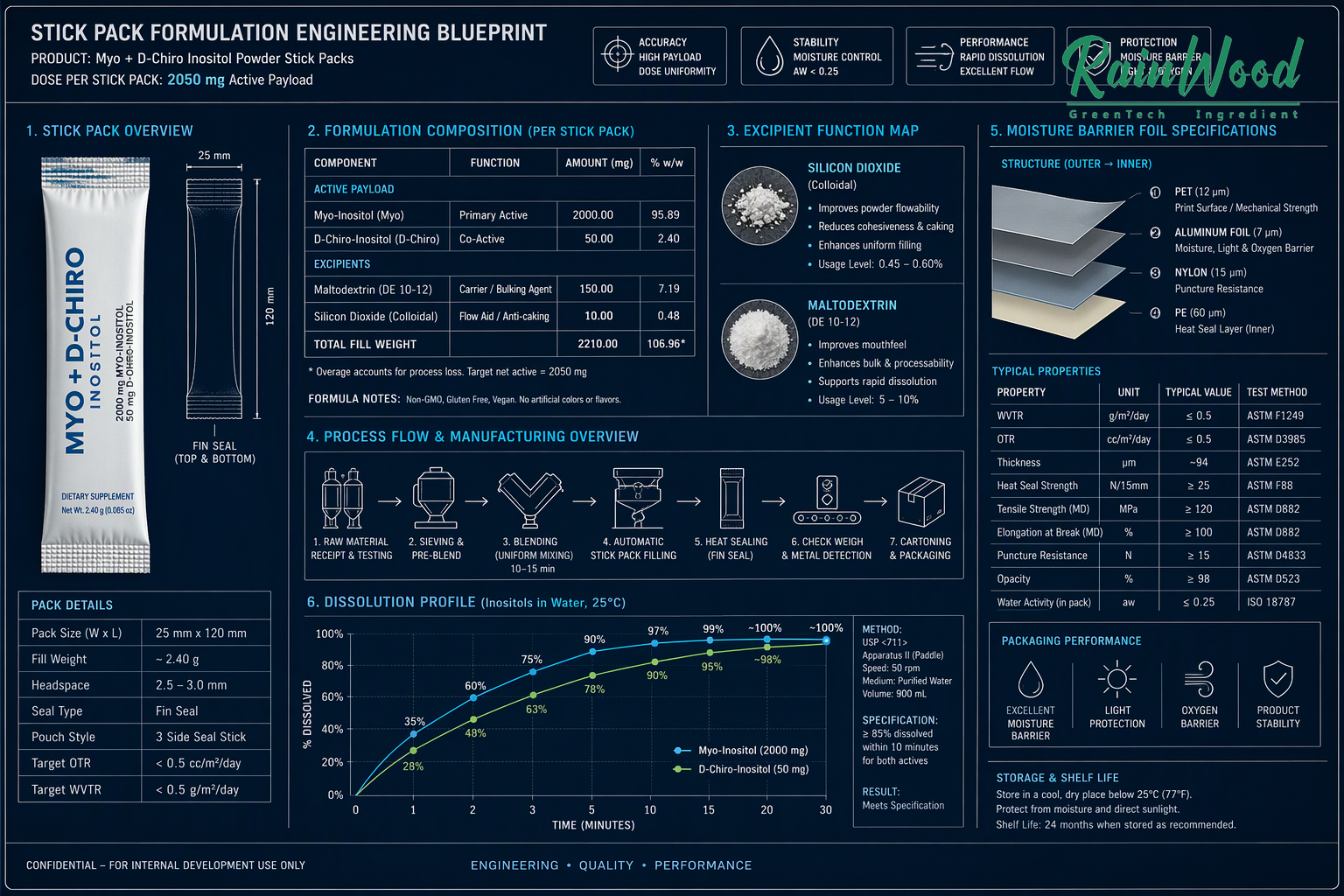
Figure 2: Inositol Formulation Architecture & Analytical Verification Matrix
Sachet approval gate
Before final artwork, ask:
- What are the active milligrams per stick?
- Is the ratio based on active weight?
- How is the low-dose D-chiro component premixed?
- Which units are sampled from the filling run?
- What proves seal and moisture protection?
Request a 40:1 sachet feasibility review with the formula, stick weight, box count, target market, and claim language.
Make the ratio visible in every internal document
The ratio should appear in the product brief, master formula, batch record, COA plan, finished-product release, label calculation, and customer-service script. If one document lists only total inositol, the business loses the ability to verify what the front panel promises. Aligning the documents also makes supplier switching and retailer review faster.
Ask the supplier to explain whether the ratio is calculated before or after assay adjustment. Keep the answer with the formula and update it if the raw-material form or potency changes. This prevents a small calculation assumption from becoming a large label discrepancy.
Use the box as a transparent dose conversation
Show the active amounts, daily serving, number of sticks, and days of supply in the product brief. If the customer needs two sticks daily, say so clearly. If the box is designed for a 30-day routine, make sure the number of sticks and directions actually deliver 30 days. This transparency supports both conversion and buyer confidence because the product is easier to compare.
Show the ratio beside the serving math
Place the ratio, active milligrams, serving size, daily frequency, and days of supply in one controlled table. This makes the product easy for an importer or distributor to review and prevents the ratio from being used as a substitute for a real dose statement.
Let the ratio support a useful buyer decision
Use the ratio to explain the formula, then offer the buyer a concrete verification package: active-dose calculation, sample COA review, sachet uniformity plan, and format feasibility check. This turns a popular market phrase into a reason for a qualified inquiry.
Turn the front-panel claim into a release criterion
If the ratio is central to the product, make it part of the finished-product release decision. That links marketing language to laboratory evidence and gives the brand a concrete answer when a distributor asks what “40:1” means.
Keep the release language commercially clear

Figure 3: cGMP Stick Pack Packaging & Chiral Testing Release Standards
Use the same wording in the specification, COA plan, label, and distributor sheet. Consistency helps the buyer understand that the ratio is a controlled product attribute rather than a decorative slogan.
Frequently asked questions
Is a 40:1 sachet always a high-dose product?
No. The ratio does not reveal the total amount per serving.
Can the ratio be calculated from total powder weight?
Only if the formula identifies every carrier and excipient. The meaningful comparison is active myo and D-chiro amounts.
Does one COA prove every stick is 40:1?
No. Finished-unit sampling and an appropriate method are required.
Can the ratio be changed after the box is designed?
Only through formal formula, evidence, label, and change-control review.
Conclusion
The 40:1 sachet is a real formula and manufacturing challenge, not just a front-panel phrase. Prove the active amounts, premix process, unit uniformity, package, and evidence before calling the ratio a product advantage.
Disclaimer: This article is for B2B formulation and procurement information. It is not medical advice and does not establish that any inositol ratio treats, prevents, or cures disease.
References
- https://pubmed.ncbi.nlm.nih.gov/38163998/
- https://pmc.ncbi.nlm.nih.gov/articles/PMC11309080
- https://www.rainwoodbio.com/oem
Looking for Turnkey Inositol 40:1 Sachets or Bulk Raw Material?
Share your formula, stick weight, box count, target market, and claim language so Rainwood Bio can discuss sachet feasibility for your project.