 EN

The 40:1 Myo-Inositol to D-Chiro-Inositol Ratio Is a Formula Decision, Not a Magic Number
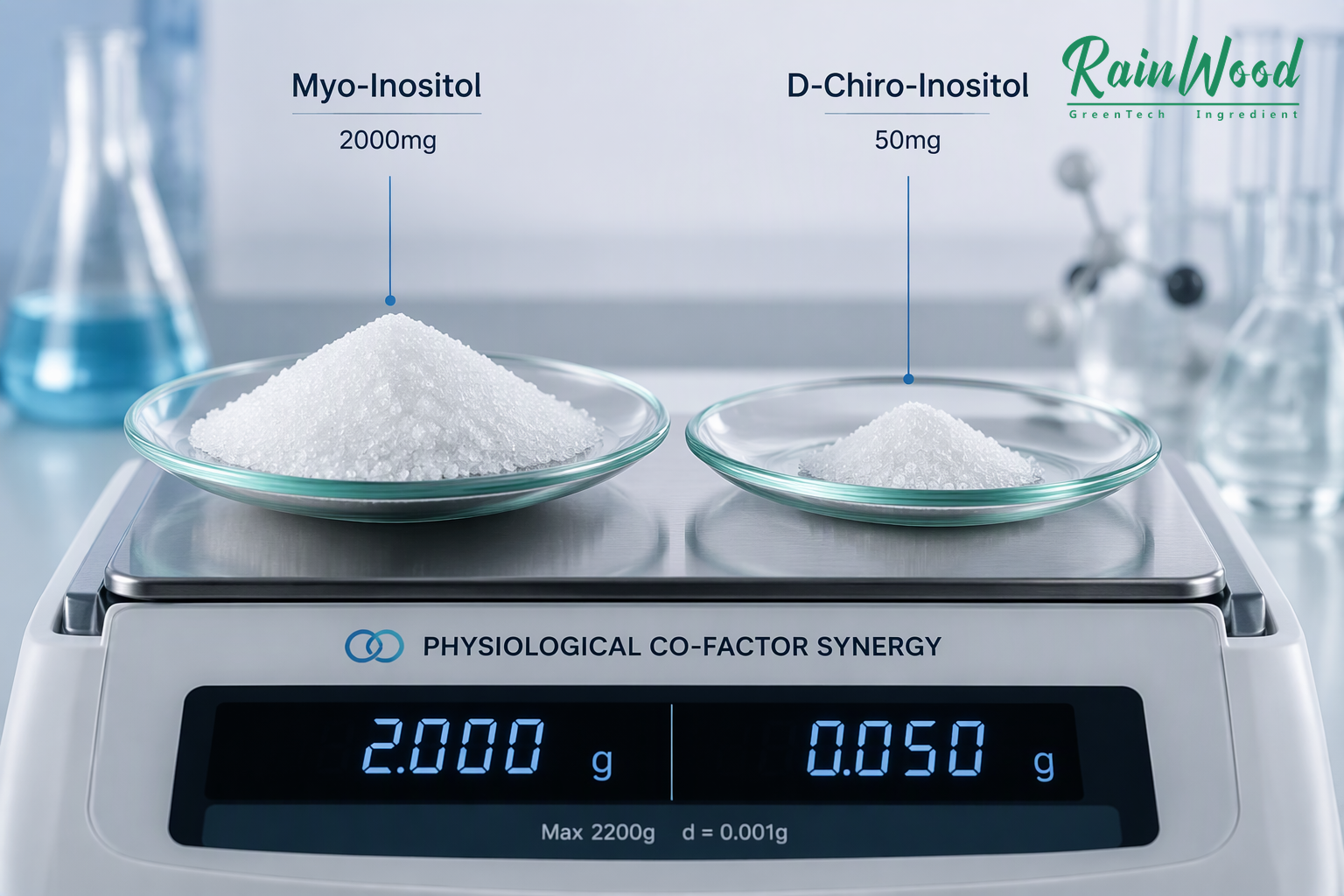
Figure 1: The 40:1 Myo-Inositol to D-Chiro-Inositol Ratio Is a Formula Decision, Not a Magic Number - Commercial & Technical Overview
Executive Summary for B2B Buyers
Explore the biological and clinical rationale behind the 40:1 Myo-Inositol to D-Chiro-Inositol ratio, tissue epimerase dynamics, and how B2B brands translate physiological data into stable finished products.
A ratio on the front panel can hide the real dose
“40:1 myo-inositol to D-chiro-inositol” is one of the most recognizable concepts in the inositol supplement market. It looks precise, science-led, and easy to compare. But a ratio is not a serving size. It does not tell the buyer whether one sachet contains enough total inositol, whether the D-chiro-inositol amount is accurate, whether the blend is uniform, or whether the evidence applies to the finished product.
For a private-label brand, the ratio should be treated as one formula parameter inside a larger specification. The buyer must lock the amount of myo-inositol per serving, the amount of D-chiro-inositol per serving, the number of daily servings, the basis of the ratio, and the method used to verify both components. Without those lines, the ratio may be a persuasive marketing phrase but a weak procurement control.
What 40:1 means mathematically
If the ratio is by weight, 40 parts of myo-inositol are combined with 1 part of D-chiro-inositol. A serving containing 2,000 mg of myo-inositol would contain 50 mg of D-chiro-inositol before any adjustment for assay, carrier, or overage. A serving containing 4,000 mg of myo-inositol would contain 100 mg of D-chiro-inositol. The ratio alone does not tell the customer which of these products is being sold.
The calculation also depends on how the supplier reports assay. If myo-inositol is 98% and D-chiro-inositol is 99%, the input weights required to deliver the declared active amounts are not identical to the theoretical formula weights. A carrier or premix can further change the weighed input. The purchase order should distinguish active amount from raw material amount.
Use the inositol sachet dose guide to make the per-stick calculation visible before approving the box count or daily-use directions.
Why the ratio is not a universal clinical promise
The 40:1 concept is widely discussed in expert and commercial literature, and some reviews describe a physiological rationale for combining myo-inositol and D-chiro-inositol. At the same time, the evidence is not a license to claim that one ratio is optimal for every person, endpoint, formulation, or market. The 2024 systematic review informing the international PCOS guideline update characterized the overall evidence as limited and inconclusive, with outcomes varying by intervention and endpoint.
That distinction protects both the buyer and the brand. A ratio may be a legitimate product-design choice. It should not be presented as a guaranteed outcome, a universal fertility solution, or a substitute for medical care. The label and product page should be reviewed for the complete communication, including testimonials and imagery.
The hidden formula decisions behind a ratio
First, decide whether the ratio is calculated by active weight, input weight, or a standardized premix. Second, define the daily serving and the number of sachets or capsules. Third, decide whether the product is a single premix or a multi-compartment format. Fourth, define how D-chiro-inositol is sampled and tested when it represents only a small fraction of the total blend.
The low-dose component deserves special attention. If D-chiro-inositol is added directly to several kilograms of myo-inositol, particle size, density, electrostatic behavior, and mixing order can affect distribution. A supplier may need a validated premix or staged dilution process. A COA for the incoming D-chiro-inositol does not prove the final sachet has the correct ratio.
The buyer loss when a ratio is accepted without dose control
The brand may discover that every sachet has the same printed ratio but not the same delivered amount. That can create customer complaints, failed finished-product testing, and an expensive investigation after packaging. If the total serving weight is too large for the selected format, the brand may also need more sachets per day, larger packaging, or a higher price.
Figure 2: Inositol Formulation Architecture & Analytical Verification Matrix
An unclear ratio creates a second loss: the sales team cannot compare its product honestly with competing products. One competitor may list active milligrams, another may list a premix weight, and a third may list only “40:1.” Without a common calculation, the largest claim can appear to be the strongest product even when the actual daily dose is lower.
How to verify the formula
Ask for the master formula with active amount and input amount shown separately. Request the individual assay and identity methods for myo-inositol and D-chiro-inositol. Define the sampling plan for the final blend and finished sachets. Test units from the beginning, middle, and end of a filling run. If the D-chiro-inositol amount is low, use a method and sample size that can detect meaningful variation.
Review the package and storage conditions because water pickup can change flow and segregation. If the blend is flavored, confirm that the flavor system does not make the assay or sample preparation unsuitable. The inositol blend uniformity guide addresses this low-percentage active problem in more detail.
How RainwoodBio can support a ratio-based product
RainwoodBio publishes requirement confirmation, raw-material supplier management, process control, testing and release, compliance documentation, and multiple OEM formats including capsules, powder stick packs, tablets, and powders. These capabilities are relevant when a brand needs the ratio to remain consistent through premixing, filling, and release. The specific inositol project still needs product-level confirmation of the two forms, test methods, target dose, and finished-unit limits.
Ratio approval gate
Before approval, require written answers to these questions:
- What does the 40:1 ratio mean: active weight or input weight?
- How many milligrams of each form are in one serving and one sachet?
- Is D-chiro-inositol added directly or through a premix?
- How is the blend sampled and tested for uniformity?
- Does the finished-product claim match the evidence and target market?
Request a ratio calculation review and send the draft formula, daily dose, sachet weight, and label language so the ratio can be checked before artwork is finalized.
Frequently asked questions
Does 40:1 mean 40 grams in every sachet?
No. It describes a relationship between the two components. The actual amount depends on the serving design.

Figure 3: cGMP Stick Pack Packaging & Chiral Testing Release Standards
Is 40:1 automatically better than 10:1 or 1:1?
Not automatically. The appropriate formulation depends on the target product, evidence, market, and qualified professional review.
Should the ratio be printed without milligrams?
The active milligrams should remain clear. A ratio alone is not enough for a transparent label or procurement comparison.
Can a supplier adjust the ratio after sample approval?
Only through documented change control, new formula calculations, new samples, and updated label and evidence review.
Conclusion
The 40:1 ratio can help a brand position a myo-inositol and D-chiro-inositol product, but it cannot replace dose math, uniformity testing, identity control, or responsible claims. Treat the ratio as a specification to verify—not a magic number to repeat.
Disclaimer: This article is for B2B formulation and procurement information. It is not medical advice and does not establish that any inositol ratio treats, prevents, or cures disease.
References
- https://pubmed.ncbi.nlm.nih.gov/38163998/
- https://pmc.ncbi.nlm.nih.gov/articles/PMC11309080
- https://pubmed.ncbi.nlm.nih.gov/27843451/
- https://www.rainwoodbio.com/oem
Looking for Turnkey Inositol 40:1 Sachets or Bulk Raw Material?
Share your draft formula, daily dose, sachet weight, and label language so Rainwood Bio can discuss the ratio calculation and blend checks for your project.