 EN

Perfect Inositol Sample, Different Bulk: Why Ratio and Flow Change at Scale
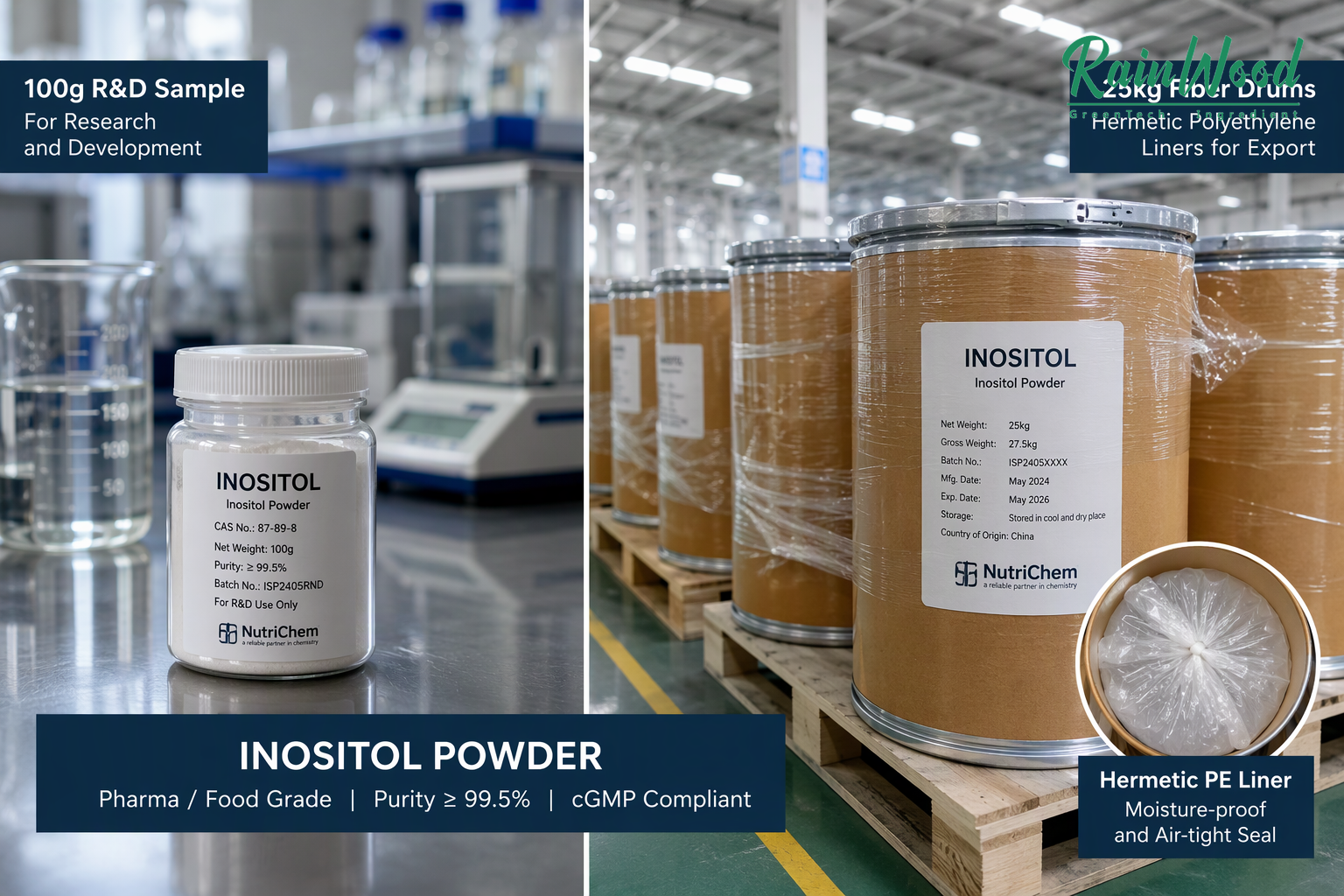
Figure 1: Perfect Inositol Sample, Different Bulk: Why Ratio and Flow Change at Scale - Commercial & Technical Overview
Executive Summary for B2B Buyers
Understand why R&D inositol samples behave differently from multi-ton commercial lots. Analyze particle size distribution (PSD), bulk density, electrostatic charge, and segregation prevention.
The sample can be genuine and still fail to predict the bulk lot
An inositol supplier sends a small sample that looks clean and flows smoothly. The brand approves a 40:1 myo-inositol and D-chiro-inositol formula, designs the sachet, and prepares the launch. The commercial lot arrives with more dust, a different density, and a harder-to-control flow. The first and last sachets from the filling run do not behave the same way.
This does not automatically mean the sample was fake. A small sample may come from a carefully selected point, a different process stage, or a more protective package. Scale changes drying, blending, transfer, storage, and sampling. The buyer's job is to create a documented bridge between sample approval and commercial release.
Why scale changes physical behavior
Large batches have different heat and moisture movement. A pilot may dry evenly while a commercial batch contains zones with different residual moisture. Milling and sieving can produce a different particle-size distribution. A sample may be hand-scooped, while bulk is discharged through a hopper and moved by vibration.
The 40:1 blend adds another risk. A small sample can be mixed thoroughly in a laboratory container, but a commercial batch may need a premix, a larger blender, and controlled discharge. The D-chiro-inositol percentage can drift if the process is not designed for low-level distribution.
Packaging and time also change the result. A foil pouch opened once for a pilot is not equivalent to a bulk liner opened repeatedly during production. The inositol powder flow guide explains why a good assay does not guarantee good filling performance.
The commercial loss from sample-to-bulk drift
The most visible loss is a rejected or delayed production run. The larger loss is that printed packaging, paid advertising, and inventory planning are already committed. A brand may need to rework the powder, change the daily serving, order new film, or explain why the production lot looks different from the approved sample.
If the finished product is positioned around a precise ratio, any uncertainty damages the product story. A distributor may ask whether the sample and bulk came from the same source. A retailer may request additional documents. The supplier relationship becomes a dispute instead of a controlled transition.
Build a sample approval record
Record the exact form, ratio, lot, date, package, storage, sample amount, and test results. Photograph the sample next to a scale reference. Keep enough material for identity confirmation, pilot filling, stability retention, and comparison with the first commercial lot.
Define which attributes must match and which can vary within an agreed range. Must-match attributes may include exact form, assay basis, ratio, identity, and safety limits. Range attributes may include bulk density, particle size, color, odor, and flow where they do not affect the label but do affect production. Any change outside the range should trigger review.
Use a first-commercial-lot gate
Before shipment, request a sample from the actual commercial lot. Ask for the lot COA and the package configuration. Test identity, individual assay, water, related substances, flow, and any format-specific attributes. At receipt, inspect every package for liner damage, condensation, and seal condition. Sample across containers and locations rather than taking only the top layer.
For the finished product, test the beginning, middle, and end of the filling run. Compare active ratio and unit weight. If the product is a sachet, include seal inspection and transport simulation where appropriate. The inositol sachet uniformity guide covers the low-dose D-chiro-inositol risk.
What the supplier should explain
Ask whether the sample and bulk use the same source, site, process, grade, package, and analytical method. Ask whether any carrier, overage, or premix was used. Ask how commercial batch sampling represents the whole lot. If the supplier says the sample is “typical,” ask what typical means and which release limits are guaranteed.
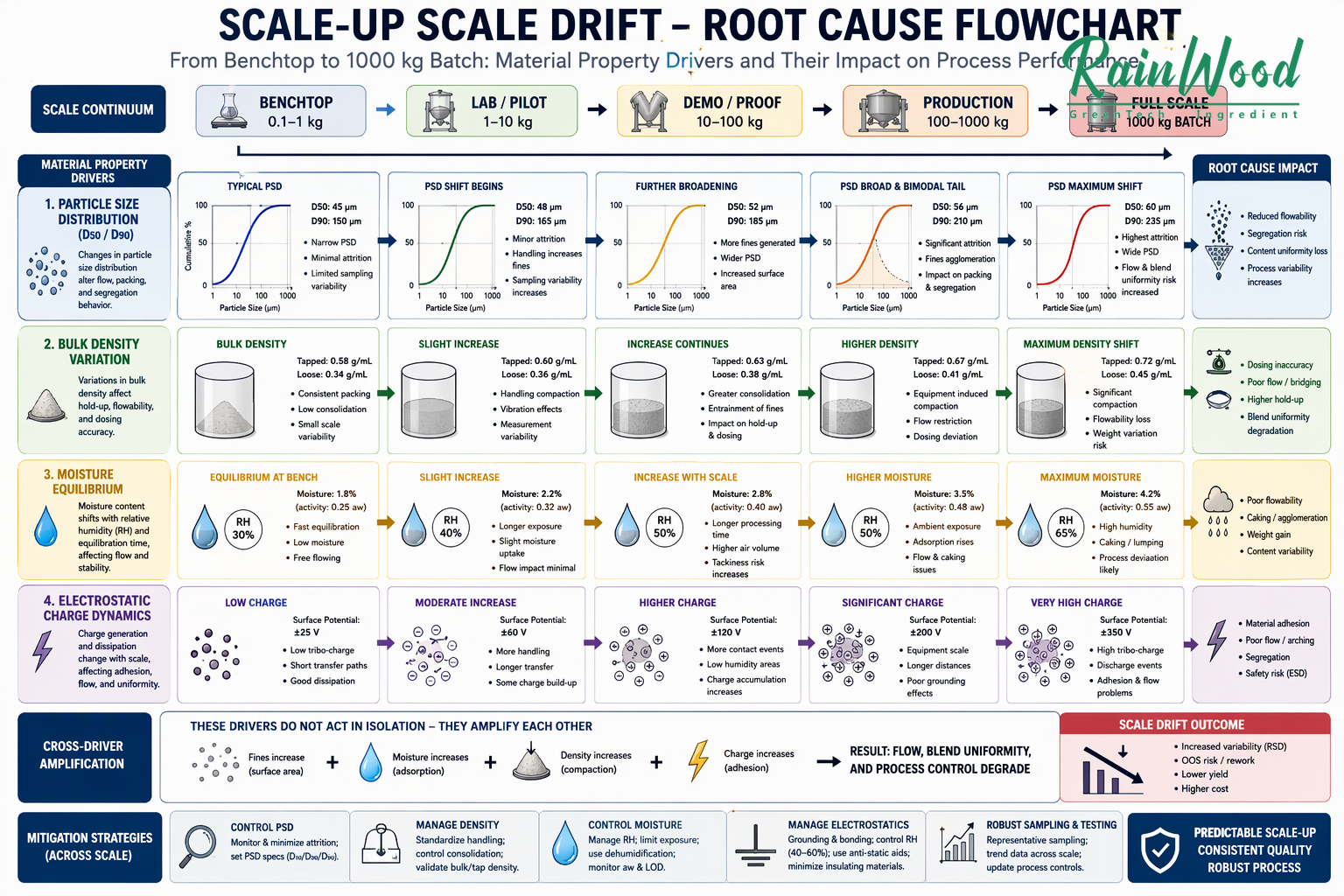
Figure 2: Inositol Formulation Architecture & Analytical Verification Matrix
The supplier should also define the response to drift: replacement, additional testing, rework, credit, or conditional acceptance. Put the decision path in the purchase order or quality agreement before the bulk is shipped.
How RainwoodBio can support sample-to-bulk control
RainwoodBio publicly describes requirement confirmation, raw-material supplier management, process control, testing and release, and traceability through warehousing and logistics. It also describes custom sample development before formal collaboration. These capabilities can support a documented transition from inositol sample to commercial sachet or capsule. Product-specific sample-to-bulk evidence still needs to be requested for the selected formula and lot.
Sample approval gate
Do not approve bulk until the file contains:
- approved sample and sealed retained reference;
- exact form and ratio calculation;
- sample and commercial-lot COAs;
- comparable methods and assay basis;
- physical-property and package information;
- first-article or pre-shipment results;
- finished-unit testing plan;
- nonconformance response terms.
Request an initial sample-to-bulk review and send the approved sample details, commercial COA, and target package.
Add a first-article release before full production
Ask the supplier to manufacture a first-article batch with the commercial raw-material lots, equipment, film, and label calculation. Hold the lot while the buyer reviews identity, ratio, water, flow, net fill, active uniformity, seal, and appearance. This is a practical bridge between sample approval and a full production commitment.
If the first article is acceptable, record its critical parameters as the commercial baseline. If it is not, solve the cause before ordering printed packaging or a larger run. A documented first-article gate is more efficient than discovering variation after all cartons are sealed.
Protect the approved sample from becoming a museum piece
Store the retained sample under documented conditions and compare it with the first commercial lot using the same observation and test plan. If the sample is exposed to air, light, or humidity for months, it can no longer serve as a fair reference. A controlled retained sample gives the buyer a reliable anchor when a visual or physical difference appears.
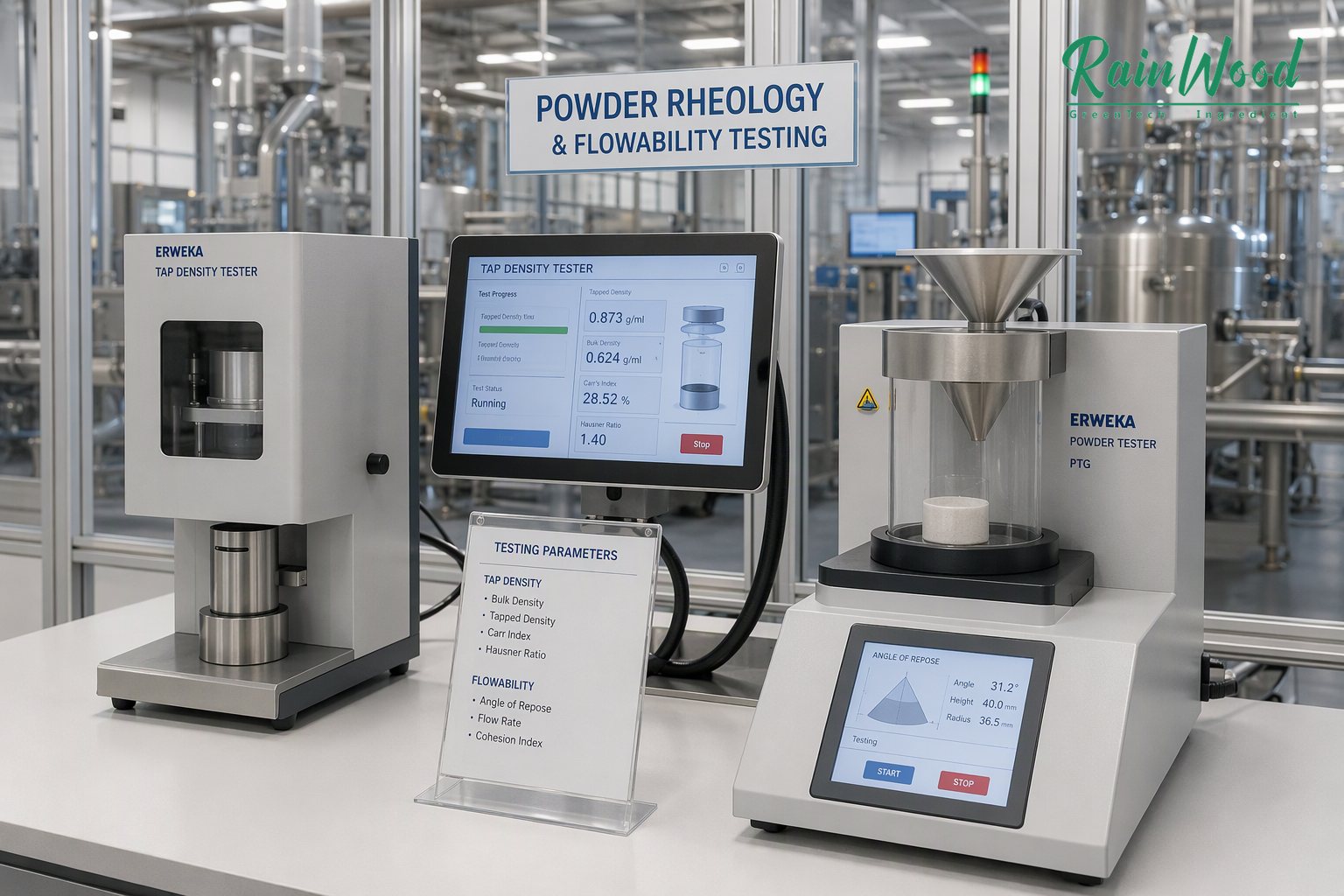
Figure 3: cGMP Stick Pack Packaging & Chiral Testing Release Standards
Frequently asked questions
Is a different color proof that the bulk is wrong?
Not by itself. Color can vary with particle size, lighting, moisture, and package. It should trigger a documented comparison and appropriate testing.
Should the buyer test every drum?
The plan should be risk-based, but sampling must represent the lot and the container locations.
Can the supplier change the package after sample approval?
Only with change control because package barrier and opening exposure can affect stability and flow.
Is the first commercial lot enough to prove repeatability?
It is an important gate, but continued supplier qualification requires trend review across lots.
Conclusion
Sample approval is the beginning of control, not the end. Lock the identity, ratio, physical behavior, package, and release plan so commercial bulk has a measurable path back to the approved product.
Disclaimer: This article is for B2B procurement and quality planning. It is not medical advice and does not establish that inositol products treat, prevent, or cure disease.
References
- https://pubmed.ncbi.nlm.nih.gov/38163998/
- https://pmc.ncbi.nlm.nih.gov/articles/PMC11309080
- https://www.rainwoodbio.com/oem
Looking for Turnkey Inositol 40:1 Sachets or Bulk Raw Material?
Share your approved sample details, commercial COA, and target package so Rainwood Bio can discuss sample-to-bulk checks for your project.