 EN
PCOS Inositol Claims: Where Evidence Ends and Marketing Overreach Begins
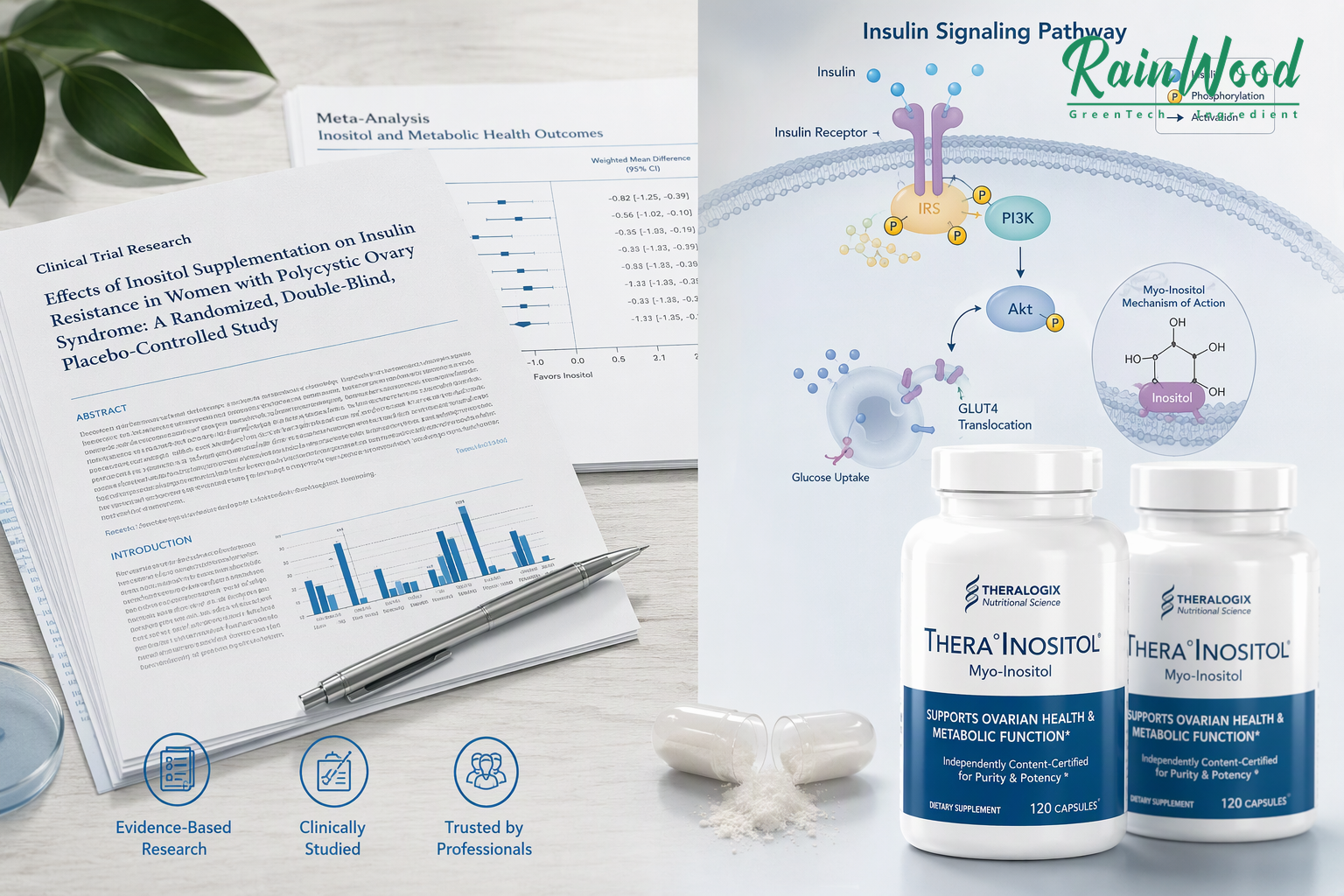
Figure 1: PCOS Inositol Claims: Where Evidence Ends and Marketing Overreach Begins - Commercial & Technical Overview
Executive Summary for B2B Buyers
Navigate PCOS inositol claim boundaries. Learn where clinical trial evidence on insulin sensitivity and ovulatory support meets FDA/FTC and EFSA structure-function compliance.
The ingredient may be popular while the claim remains uncertain
Inositol products are often sold beside language about PCOS, insulin sensitivity, ovulation, hormones, fertility, and cycle support. The commercial opportunity is clear. The evidence boundary is not. A study may test myo-inositol, D-chiro-inositol, a combination, a particular dose, or a multi-ingredient formula. A product page may then compress all of that into “supports PCOS balance” or “improves fertility.” That shortcut creates both regulatory and customer-expectation risk.
The stronger B2B product is not the one with the boldest promise. It is the one whose identity, dose, evidence, label, and target market line up. A brand can still use scientific education and a focused buyer story without turning a supplement into a treatment claim.
Separate the evidence layers
First ask what was actually tested. Was the intervention myo-inositol, D-chiro-inositol, a 40:1 combination, or a formula containing folate and other nutrients? Was the population diagnosed with PCOS, experiencing a specific metabolic phenotype, or drawn from a fertility clinic? What was the dose, duration, comparator, and endpoint?
Second ask what the product contains. A raw D-chiro-inositol powder is not the same as a finished sachet containing myo-inositol, folate, chromium, flavor, and a different serving. A study of one ratio does not prove every ratio. The inositol identity guide and inositol ratio guide explain why the chain must stay intact.
Third ask what the market allows. A general structure-function statement, a disease claim, a fertility promise, and a pregnancy claim have different review requirements. The wording, imagery, testimonials, and sales channel all matter.
What current reviews actually support
The 2024 systematic review and meta-analysis informing the international evidence-based PCOS guideline update included trials of inositol interventions and found potential benefits for some metabolic measures and possible effects on ovulation, but concluded that evidence for management of PCOS remains limited and inconclusive. That conclusion is not a prohibition on selling inositol. It is a warning against converting a mixed evidence base into a guaranteed outcome.
The product file should therefore describe the study material, amount, endpoint, and limitations. If the product uses a direct D-chiro-inositol input, do not cite a study of a different combination as though it were a finished-product trial. If the brand has no product-specific human study, describe the scientific context honestly and avoid implying clinical equivalence.
The buyer loss from overclaiming
An aggressive product page may attract clicks but trigger listing removal, advertising rejection, retailer questions, or customer complaints. A consumer who buys a supplement expecting a treatment outcome can leave poor reviews when the product does not meet that expectation. The brand then pays twice: once for the claim correction and again through lost trust.
For B2B buyers, the problem becomes a dossier gap. A distributor may ask for clinical evidence that the supplier never promised. A marketplace may request a claim substantiation file. If the brand cannot show the exact formula, dose, and source of the evidence, the launch can pause while packaging and advertising are revised.
Build a claim-to-evidence matrix
List every customer-facing phrase, including the title, bullets, image text, FAQ, testimonial, and keyword. For each phrase record whether it describes the ingredient, mechanism, general wellness support, a human outcome, or a disease or reproductive-health claim. Add the evidence source, tested material, dose, population, duration, market, and reviewer.
Then test the finished product. Confirm the exact forms and active milligrams in the serving. Verify stability through shelf life. Make sure the label and product page use the same terminology. The inositol market dossier guide provides a broader document-control path.
How RainwoodBio can support a defensible product file
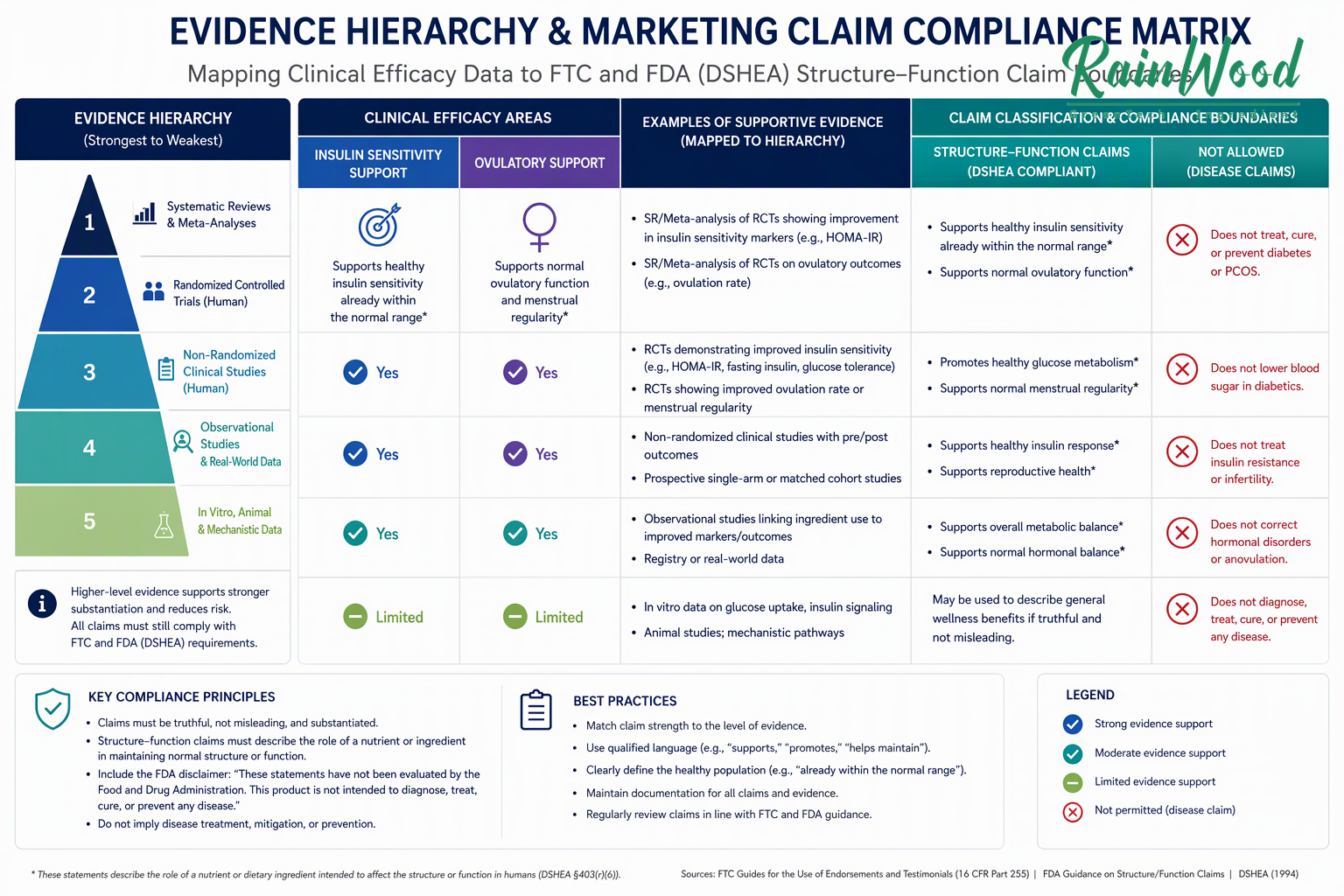
Figure 2: Inositol Formulation Architecture & Analytical Verification Matrix
RainwoodBio publishes requirement confirmation, compliance assessment, raw-material supplier management, production process control, quality testing and release, product registration and compliance documentation, and traceability. These capabilities can help a brand build a controlled route from formula to finished product. They do not prove a clinical outcome or authorize a PCOS claim for a specific batch. The buyer should request product-specific evidence and a target-market review.
Claim approval gate
Before publishing, ask:
- Does the claim match the exact inositol form and dose?
- Is the evidence direct, indirect, mechanistic, or finished-product evidence?
- Could a normal consumer read the wording as diagnosis, treatment, or prevention?
- Are testimonials and images making a stronger promise than the headline?
- Has the target market and channel been reviewed?
Request an initial claim evidence review and send the draft label, formula, evidence list, target market, and sales channel.
Use educational content without making a medical promise
An evidence-led Blog can explain what myo-inositol and D-chiro-inositol are, how a ratio is calculated, what the studies measured, and what remains uncertain. It can invite a buyer to review the formula and label without telling a consumer to replace professional care. This approach is commercially useful because it attracts knowledgeable brand owners while reducing the chance that a headline overpromises.
Train sales and customer-service teams to use the same boundary. If a customer asks whether the product treats PCOS or guarantees ovulation, the answer should direct them to a qualified healthcare professional rather than improvising a claim. Consistent answers protect the brand across every channel.
Make uncertainty part of the professional story
A buyer does not need a supplier to pretend that every study agrees. It is more useful to explain which outcomes have been studied, where evidence is mixed, and how the product will be verified. An honest evidence boundary can help a brand speak to knowledgeable distributors and practitioners without attracting customers who expect a guaranteed medical result.
Keep the CTA evidence-led
Instead of promising a health result, invite the buyer to submit a formula, label, COA, and target market for a claim-to-evidence gap review. That offer creates a useful commercial action and demonstrates that the supplier understands the difference between scientific context and product substantiation.
Frequently asked questions
Can an inositol product mention PCOS?

Figure 3: cGMP Stick Pack Packaging & Chiral Testing Release Standards
The answer depends on the market, product category, wording, evidence, and placement. A qualified regulatory review is necessary before publication.
Can a 40:1 study support every 40:1 product?
Not automatically. Identity, dose, manufacturing, format, population, and endpoint must be comparable.
Is “hormone balance” safer than “PCOS treatment”?
It may be less direct, but context can still create a disease or therapeutic implication. Review the complete communication.
Does a disclaimer remove claim risk?
No. A disclaimer does not erase a claim that is otherwise misleading or therapeutic in context.
Conclusion
Inositol marketing becomes stronger when the evidence boundary is visible. Connect the exact form, dose, finished product, study, and market wording before you let an attractive PCOS headline create a larger commercial problem.
Disclaimer: This article is general B2B educational information, not medical or legal advice. It does not establish that inositol treats, prevents, or cures PCOS or any other disease.
References
- https://pubmed.ncbi.nlm.nih.gov/38163998/
- https://pmc.ncbi.nlm.nih.gov/articles/PMC11309080
- https://www.fda.gov/food/dietary-supplements-guidance-documents-regulatory-information/dietary-supplement-labeling-guide
- https://www.rainwoodbio.com/
Looking for Turnkey Inositol 40:1 Sachets or Bulk Raw Material?
Share your draft label, formula, evidence list, target market, and sales channel so Rainwood Bio can discuss a claim and documentation review for your project.