 EN
Executive Summary & Buyer Guidance
Prepare an inositol market-entry dossier for the US, EU, and Amazon with identity, dose, claims, stability, labels, and supplier records.
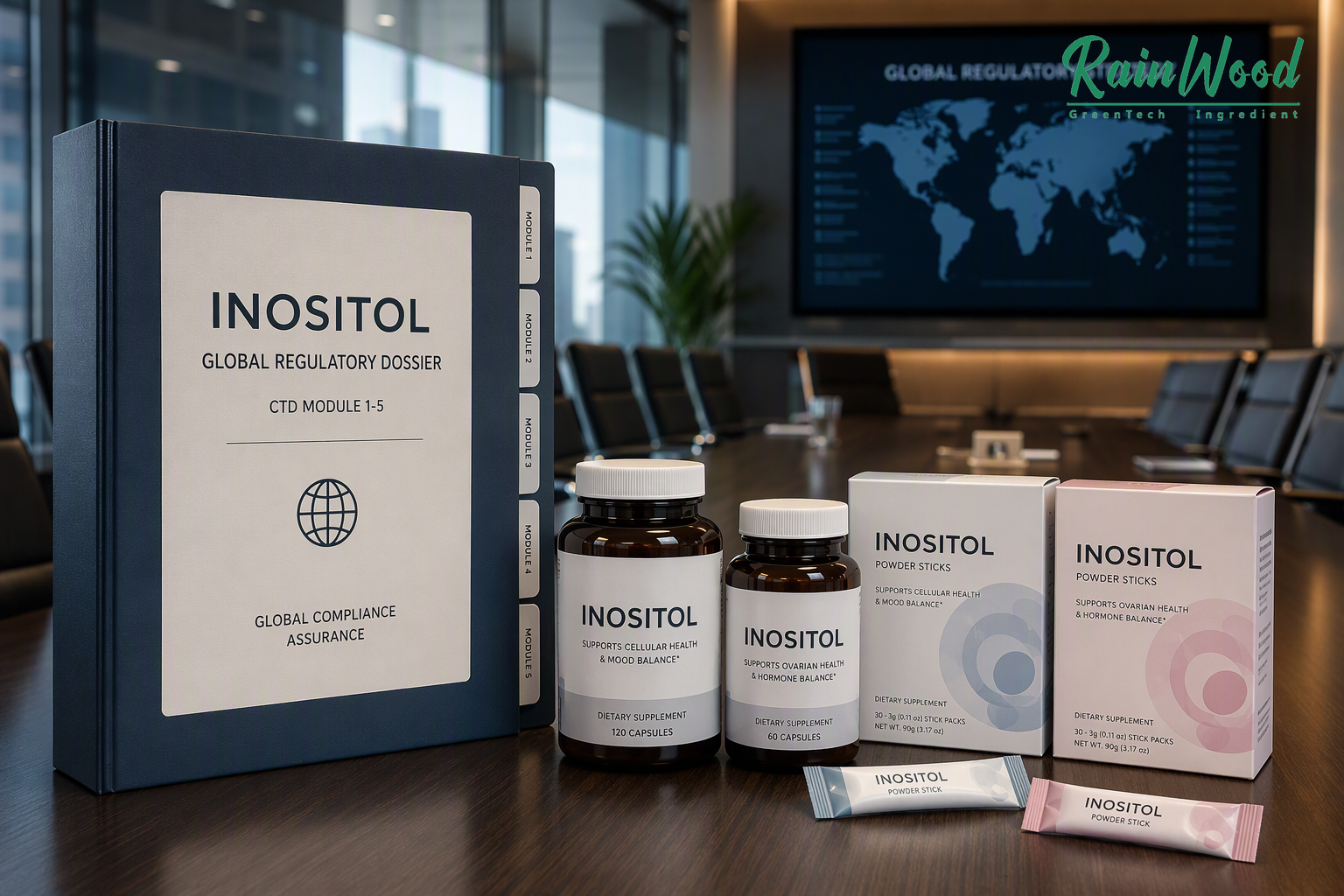
Figure 1: Global Regulatory Compliance Dossier Binder and Export-Ready Finished Inositol Dietary Supplements
A listing is not a regulatory strategy
Myo-inositol and D-chiro-inositol products are popular in online wellness and reproductive-health categories. That popularity can make launch teams rush from a supplier COA to a marketplace listing. The difficult questions arrive later: Is the exact form named correctly? Does the ratio match the active amount? Are claims allowed for the target market? Does the package protect the powder? Can the brand prove the finished sachet contains what the label says?
The answer is not one global yes or no. It depends on the exact product, ingredients, dosage form, target country, claim language, responsible entity, and sales channel. Build the dossier before the listing.
Start with the exact product identity
Write the full ingredient name, form, amount per serving, ratio, and package in the technical file. Do not describe a product as simply “inositol” if the label and evidence depend on myo-inositol or D-chiro-inositol. Do not use a 40:1 ratio without stating the milligrams of each component.
The inositol identity guide and inositol ratio guide explain why the chemical and mathematical identity should remain consistent across the COA, label, website, invoice, and marketplace listing.
Build the raw and finished-product file
The raw-material file should include supplier and manufacturer information, specification, lot COA, identity and assay methods, related-form and contaminant controls, water, storage, and shelf life. The finished-product file should add the master formula, batch record, blend and unit uniformity, packaging specification, stability, finished COA, lot coding, and complaint or recall traceability.
A raw myo-inositol COA cannot prove that a 40:1 sachet is uniform. A D-chiro-inositol identity report cannot prove the label amount after blending. The inositol stick-pack guide covers the package and finished-unit evidence required for a sachet.
Market and platform requirements are different
The United States, European Union, and Amazon may use different rules, document requests, labeling conventions, language requirements, and claim boundaries. A US label does not automatically make a product EU-ready. An Amazon listing may be challenged even when the raw material is legally sold in bulk because the product page, imagery, or testimonials imply a medical result.
Create a market matrix with country, legal category, product form, daily amount, language, responsible entity, label requirements, warnings, claims, and document owner. Have a qualified reviewer assess the exact product and channel. Treat a disclaimer as one part of the review, not a substitute for compliant wording.
Claims need a separate review
PCOS, fertility, ovulation, pregnancy, insulin sensitivity, hormone balance, and cycle support are not interchangeable marketing phrases. The evidence for inositol interventions varies by form, ratio, dose, population, comparator, and endpoint. The 2024 guideline-related systematic review described the evidence as limited and inconclusive overall, so the brand should not turn a scientific association into a guaranteed outcome.
Review the entire listing: title, bullets, images, search terms, FAQs, testimonials, and influencer scripts. Make sure a product containing D-chiro-inositol is not represented as the same product as a myo-inositol study, and make sure a raw-material study is not presented as a finished-product trial.
The buyer loss from launching early
The brand may have to remove a listing, revise artwork, refund customers, or destroy inventory. A platform may ask for a document package at the exact moment the supplier is closed for a holiday or the lot has already been blended. A retailer may delay onboarding because the technical file contains inconsistent ingredient names or missing stability evidence.
Launch speed is valuable only when the dossier is organized. A controlled document index can save more time than an early listing that later needs to be rebuilt.
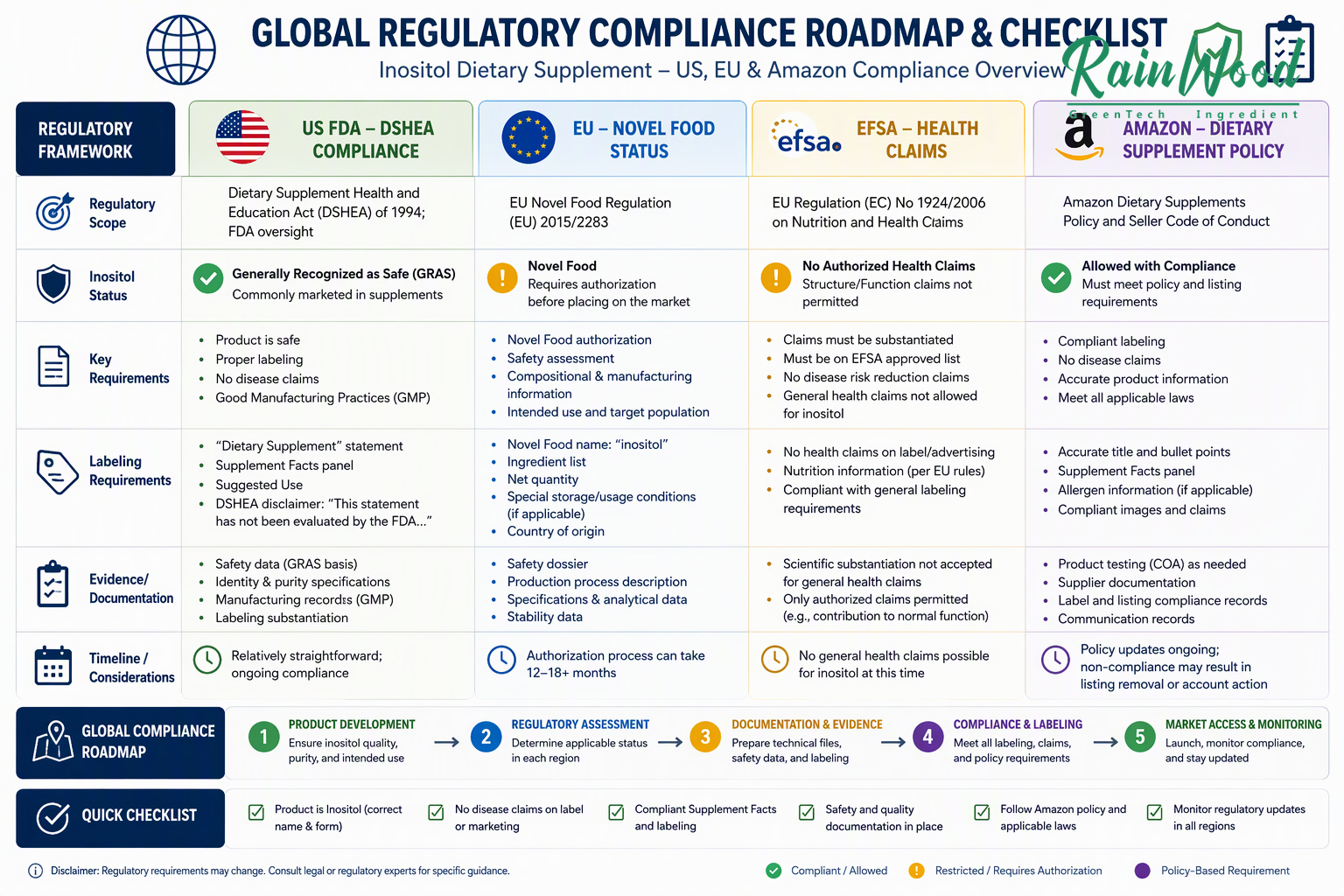
Figure 2: Cross-Border Regulatory Framework: US FDA DSHEA vs EU Novel Food vs Amazon Dietary Supplement Policy
How RainwoodBio can support market preparation
RainwoodBio publishes requirement confirmation, compliance assessment, product registration and compliance documentation, testing and release, raw-material management, traceability, and OEM formats including capsules, powder sachets, and tablets. These capabilities can support a market-entry project. The buyer should still confirm current certificate scope, exact product evidence, target-market rules, and claim approval.
Market-entry approval gate
Before publishing, confirm:
- exact form and active amounts;
- ratio and finished-unit evidence;
- raw and finished-product COAs;
- package and stability support;
- market-specific label and claim review;
- lot coding and complaint traceability;
- responsible party and document ownership.
Request an inositol Market Dossier Review with the draft label, formula, COAs, target countries, package, and sales channels.
Keep a controlled document index
Create one index that identifies the current formula, label, COAs, specifications, stability reports, manufacturing records, certificates, claim review, and market decision. Give each document an owner, version, date, and change history. When a new supplier lot or package is approved, update the index before the listing changes.
This document discipline also protects the sales team. If a distributor asks whether the product contains myo-inositol, D-chiro-inositol, or both, the answer should come from the same controlled file as the label and product page. A clear index is a practical competitive advantage because it shortens retailer review and reduces contradictory answers.
Prepare for document requests before the first sale
Save the current COA, specification, finished-product report, label artwork, package record, and claim review in a location the sales and compliance teams can access. Assign a response owner for platform or retailer questions. If a document request arrives after launch, the brand should be able to answer from the approved file rather than asking a supplier to recreate the evidence under pressure.
Make the listing mirror the approved documents
Run a final comparison between the product title, image text, facts panel, FAQ, technical data sheet, invoice, and COA. The exact names, active amounts, serving, and ratio should match. This simple review catches many avoidable platform and distributor questions before they become a formal escalation.
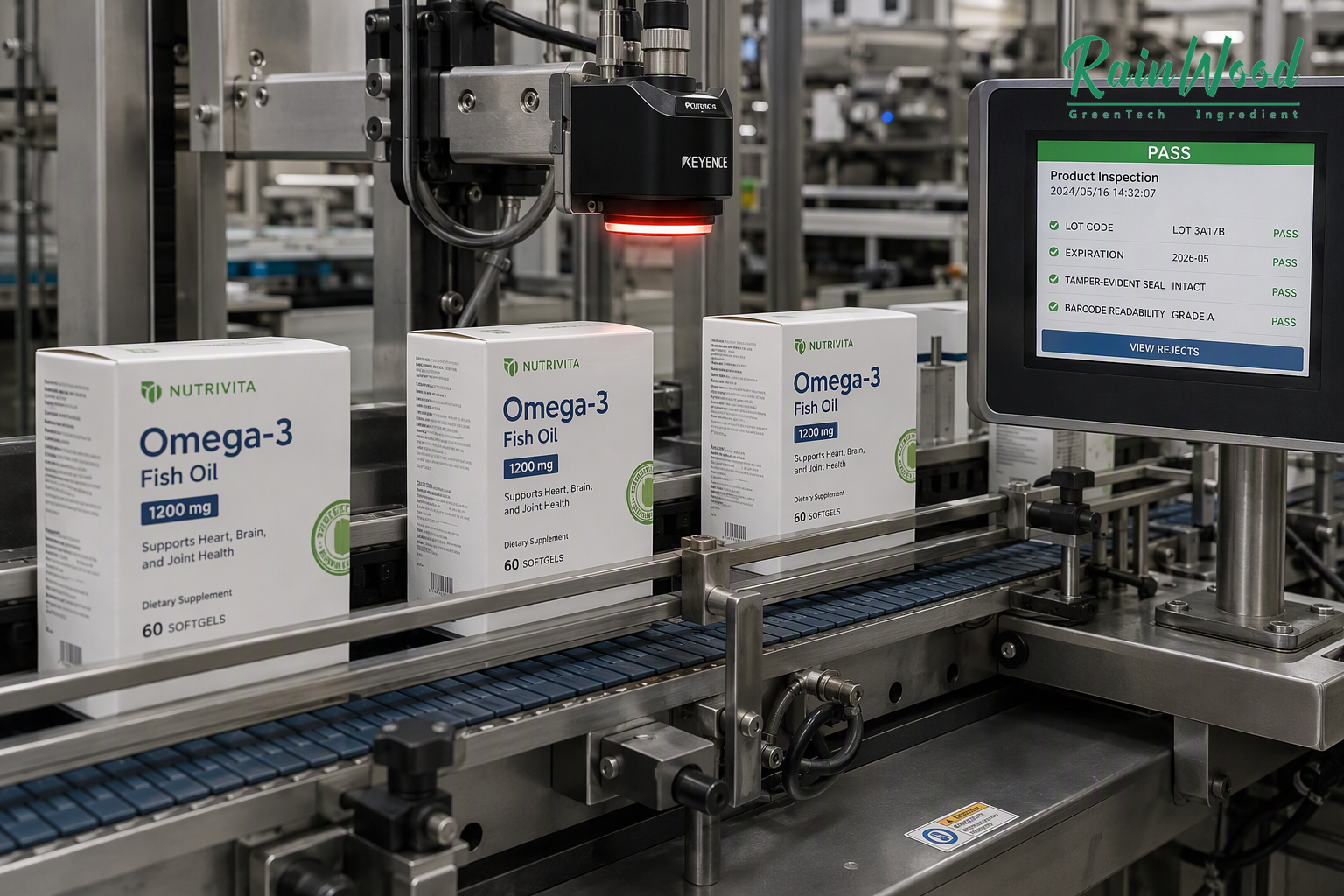
Figure 3: Automated Lot Serialization, Traceability Verification, and Quality Assurance Release Inspection
Review changes before they reach customer service
When a supplier changes form, ratio, flavor, or package, update the product page, FAQ, label, and support script together. A technical change that is invisible to procurement can still create a public inconsistency if customer service continues using the old dose or claim.
Frequently asked questions
Can one dossier cover the US, EU, and Amazon?
Core quality evidence can be reused, but market, language, claim, notification, and platform requirements may differ.
Is a raw-material COA enough for Amazon?
Usually not. The requested document set depends on the product, category, channel, and issue being reviewed.
Can a product page say “supports fertility”?
Do not assume so. The wording, context, evidence, and target market require qualified review.
Does a 40:1 ratio simplify the listing?
It can create a clear product concept, but the active milligrams and finished-unit evidence still need to be visible.
Conclusion
Sellability is a dossier problem before it is a keyword problem. Lock identity, ratio, dose, package, stability, claims, and document ownership before the product is printed, shipped, or listed.
Disclaimer: This article is general commercial information, not legal, regulatory, or medical advice. It does not establish that myo-inositol or D-chiro-inositol treats, prevents, or cures any disease.
References
- https://pubmed.ncbi.nlm.nih.gov/38163998/
- https://pmc.ncbi.nlm.nih.gov/articles/PMC11309080
- https://www.fda.gov/food/dietary-supplements-guidance-documents-regulatory-information/dietary-supplement-labeling-guide
- https://www.rainwoodbio.com/
Explore RainwoodBio Inositol & Custom Formulation Capabilities
- Custom Powder Stick Packs & Single-Serve Sachets – High-speed automated stick pack packaging for 40:1 Myo/D-Chiro Inositol formulas with nitrogen flush.
- Custom Hard Capsules & Veggie Encapsulation – Precision cGMP encapsulation for high-potency inositol blends with folates and co-factors.
- OEM / ODM Contract Manufacturing Services – End-to-end formulation development, pilot batch scaling, and global regulatory compliance dossiers.
- Contact RainwoodBio Technical Sales – Request CoA, stereoisomer testing protocols, pilot samples, or commercial quotation.
Ready to Formulate Your Myo & D-Chiro Inositol Product?
RainwoodBio provides cGMP-certified Myo-Inositol and D-Chiro-Inositol raw materials, verified 40:1 ratio stick pack packaging, and full regulatory documentation for US, EU, and global market entry.
Request CoA, Samples & QuoteTable of Contents
- A listing is not a regulatory strategy
- Start with the exact product identity
- Build the raw and finished-product file
- Market and platform requirements are different
- Claims need a separate review
- The buyer loss from launching early
- How RainwoodBio can support market preparation
- Market-entry approval gate
- Keep a controlled document index
- Prepare for document requests before the first sale
- Make the listing mirror the approved documents
- Review changes before they reach customer service
- Frequently asked questions
- Conclusion
- References