 EN

Executive Technical Summary
This technical guide analyzes critical packaging engineering parameters for inositol stick packs: selecting high-barrier multi-layer aluminum foils to prevent hygroscopic caking, optimizing natural flavor profiles, and implementing automated single-dose weight verification for 100% compliance.
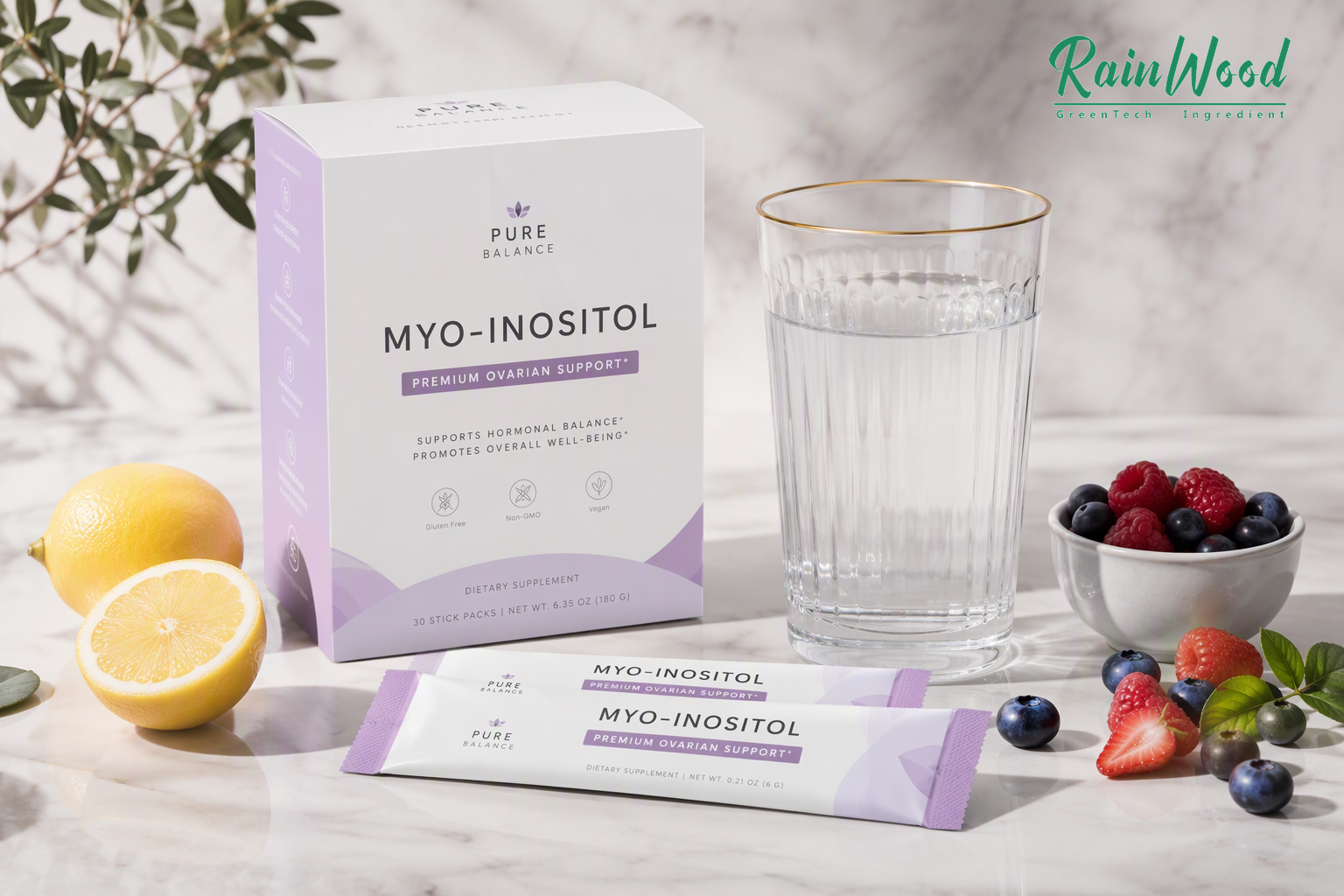
Figure 1: Premium inositol powder stick packs with multi-layer barrier foil protection and rapid aqueous dissolution.
The stick pack is part of the quality specification
Inositol stick packs look simple: fill powder into film, seal it, place the sticks in a carton, and sell a daily routine. The actual product includes the powder, flavor, film, seal, filling equipment, storage, and customer opening behavior. A beautiful sachet can still deliver a poor experience if moisture causes clumps, the seal is contaminated with powder, or the daily dose varies from unit to unit.
For a myo-inositol and D-chiro-inositol product, the stick pack also has to protect a ratio claim. The package must deliver the same intended active amounts through transport, warehouse storage, and customer use. That requires more than a front-panel ratio.
Moisture barrier affects both flow and dose
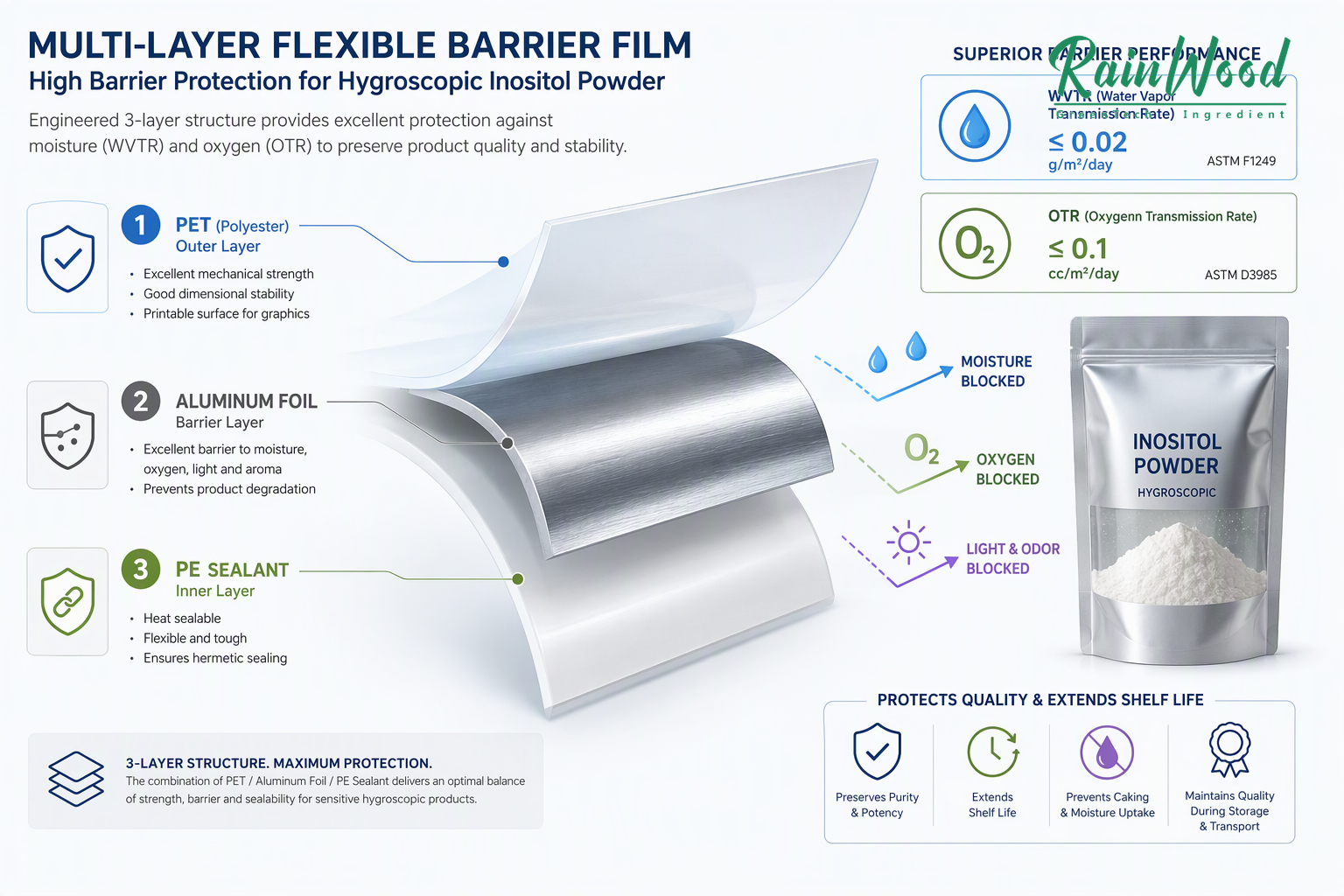
Figure 2: Multi-layer flexible barrier film laminate structure (PET/ALU/PE) preventing water vapor transmission.
Inositol powders can change handling behavior when they absorb moisture. The powder may cake, bridge, dissolve unevenly, or contaminate the seal area. Moisture can also change the apparent concentration when assay is reported on a different basis. A film that is adequate for a dry mineral may not provide the same protection for a high-dose inositol blend.
Ask for film structure, moisture-barrier data, seal-temperature range, seal strength, and storage conditions. Test the actual finished stick packs after transport and humidity exposure where relevant. The inositol powder flow guide explains why the powder and package should be qualified together.
Flavor is a formula and compliance decision

Figure 3: High-speed multi-lane stick pack filling cleanroom with automated auger dosing and laser serialization.
Myo-inositol can be used in powder drinks, but the finished taste depends on concentration, sweetener, acidulant, flavor, water volume, and customer expectations. A flavor that performs well in a small laboratory cup may taste different at the recommended serving volume. Added flavors and acids can also affect moisture, extraction, stability, and label review.
Ask for a tasting protocol and record the water volume, temperature, mixing time, and holding time. If the product is meant to be consumed immediately, say so. If the customer may mix it in a large bottle and drink later, include an in-use assessment. Do not use flavor to mask a material change without investigating the cause.
Single-dose control requires more than average weight
Every stick should contain the intended net fill, but average weight alone can hide active variation. A 40:1 product may have a correct total powder weight while D-chiro-inositol is unevenly distributed. Test units from the beginning, middle, and end of the filling run. Review the active amount, ratio, and net-fill distribution.
Seal inspection matters too. Powder on the seal can create channels, leaks, and moisture ingress. The finished package should be checked for seal integrity after filling, carton packing, vibration, and transport. The inositol sachet uniformity guide provides a deeper release framework.
The buyer loss from a weak stick-pack design
Clumped sticks create poor reviews and refund requests. Leaking sticks contaminate cartons and reduce the number of usable servings. A low or high fill can create a label-accuracy concern. If the issue is discovered after the brand has printed thousands of sachets, changing the film or filling process can become a major rework.
The brand may also lose its premium positioning. Customers buy a stick pack for convenience and consistency. If the product requires scissors, produces dust, or dissolves unevenly, the packaging promise has failed even when the raw material COA looks good.
Build a stick-pack test plan
The plan should cover raw powder, blend, filling, sealed stick, carton, transport, and in-use condition. Measure water, flow, appearance, odor, net fill, active assay, blend uniformity, seal strength, leakage, and dissolution where applicable. Define the sample locations and acceptance criteria before the pilot.
Retain filled sticks from every commercial lot. Record film lot, powder lot, equipment settings, filling date, storage, and carton configuration. If a customer reports clumping or leakage, the brand should be able to trace the complaint to the relevant lots and samples.
How RainwoodBio can support stick-pack development
RainwoodBio publicly describes powder stick-pack OEM capability, requirement confirmation, raw-material supplier management, production process control, testing and release, packaging, logistics, and traceability. Its OEM page describes powder subpackage capacity and customized specifications. These published capabilities are relevant to an inositol sachet project, while exact film, filling, and stability evidence still need to be confirmed for the proposed product.
Stick-pack approval gate
Before artwork approval, confirm:
- active grams and milligrams per stick;
- ratio basis and blend-uniformity plan;
- flavor, water volume, and use instructions;
- film moisture barrier and seal specification;
- net-fill and active assay limits;
- transport, storage, and in-use conditions;
- retained samples and complaint traceability.
Request a inositol Stick Pack Feasibility Review with the formula, stick weight, film preference, target market, and monthly quantity.
Treat the stick pack as a small supply chain
The powder lot, premix lot, flavor lot, film lot, filling settings, seal checks, carton, and storage conditions should be traceable to the finished batch. This record matters when a customer reports one leaking stick or a distributor finds clumping in one carton. Without it, the brand can only inspect the whole inventory and absorb unnecessary cost.
Ask the supplier to retain both sealed sticks and opened powder samples. Review the retained units after storage and compare them with a newly produced batch. A simple side-by-side check can reveal whether the change began in the powder, package, transport, or customer opening condition.
Confirm the opening experience with real users
During pilot review, ask testers to open the stick, pour the powder, mix it using the stated water volume, and store any unused portion as instructed. Record tearing, dust, clumping, dissolution, and flavor comments. These observations do not replace laboratory release, but they reveal package or instruction problems before a customer finds them at scale.
Test carton-level handling too
The stick is not the only package. Carton compression, pallet stacking, warehouse humidity, and courier vibration can affect seals and powder flow. Include the real carton and transport route in the pilot where possible, then inspect units from the top, middle, and bottom of a case.
Frequently asked questions
Is a foil stick pack always enough?
Not automatically. The film structure, seal, filling process, opening exposure, and storage conditions must be evaluated.
Does a good flavor prove product quality?
No. Flavor is one customer attribute; identity, dose, stability, and uniformity still require evidence.
Can the same stick be used for every inositol formula?
No. Dose, moisture, flavor, carrier, and active ratio can change the package requirement.
What is the most important stick-pack release test?
There is no single test. The release panel should match the product risk, including active uniformity and seal integrity.
Conclusion
An inositol stick pack is a controlled dosage system, not just a small bag. Protect the powder, control the ratio, validate the seal, and test the individual unit before the packaging becomes the source of customer complaints.
**Disclaimer:** This article is for B2B packaging, procurement, and formulation planning. It is not medical advice and does not establish that inositol products treat, prevent, or cure disease.
References
- https://pubmed.ncbi.nlm.nih.gov/38163998/
- https://www.fda.gov/food/dietary-supplements-guidance-documents-regulatory-information/dietary-supplement-labeling-guide
- https://www.rainwoodbio.com/oem
Partner with RainwoodBio for Certified Inositol Formulations
Whether you require high-purity Myo-Inositol, chiral-verified D-Chiro-Inositol, or precision 40:1 single-dose stick pack manufacturing, our cGMP facilities provide full batch traceability and analytical COA verification.
Table of Contents
- The stick pack is part of the quality specification
- Moisture barrier affects both flow and dose
- Flavor is a formula and compliance decision
- Single-dose control requires more than average weight
- The buyer loss from a weak stick-pack design
- Build a stick-pack test plan
- How RainwoodBio can support stick-pack development
- Stick-pack approval gate
- Treat the stick pack as a small supply chain
- Confirm the opening experience with real users
- Test carton-level handling too
- Frequently asked questions
- Conclusion
- References