 EN
Executive Summary: Technical guide to verifying D-Chiro-Inositol isomer identity and enantiomeric purity. Why standard HPLC fails and how specific optical rotation and chiral HPLC prove authentic D-Chiro stereochemistry.
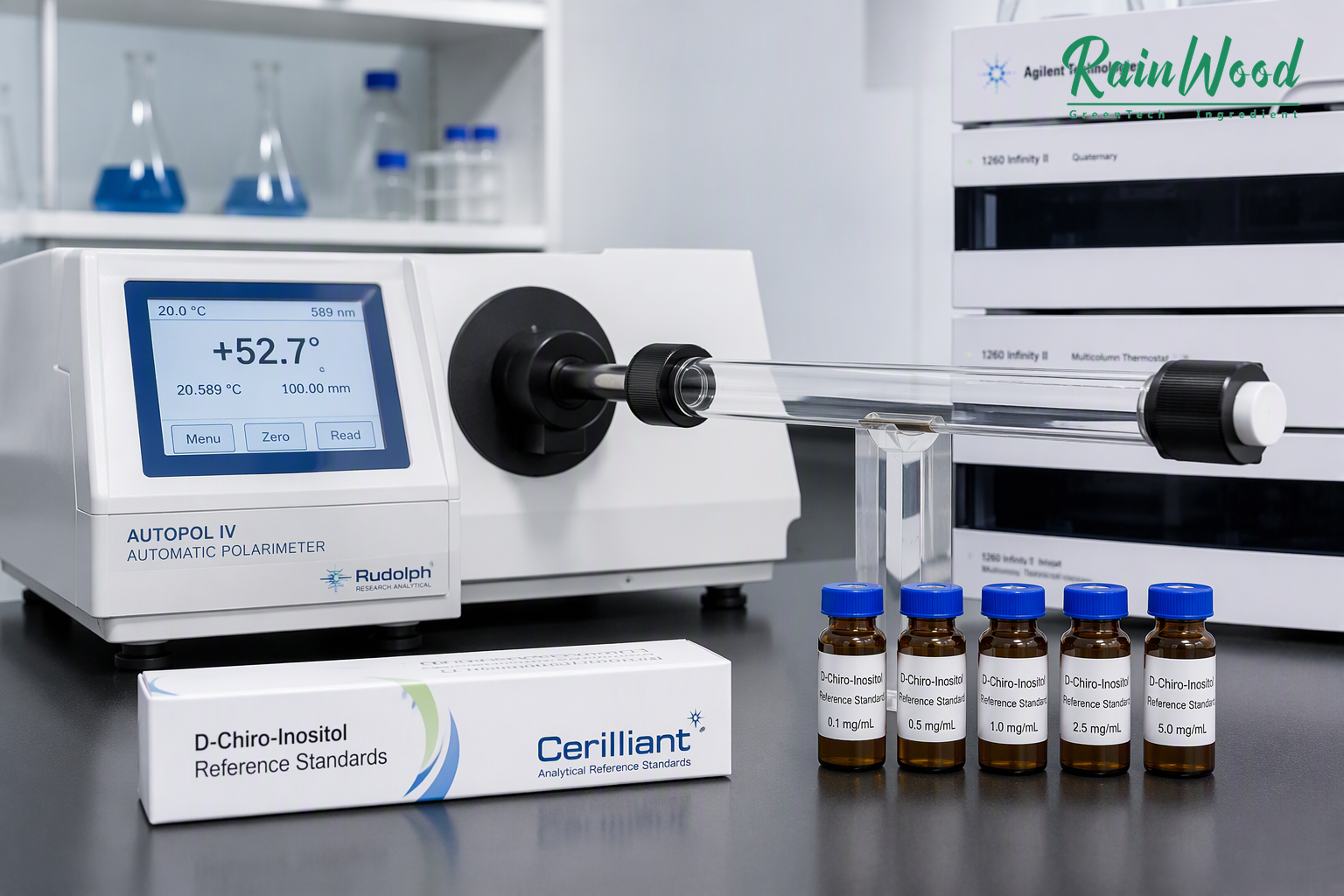
Figure 1: How to Verify D-Chiro-Inositol Identity: Optical Rotation, Chiral Testing & Method Fit - Professional B2B Manufacturing & Quality Standards
“We tested it by HPLC” is not the end of the conversation
When a buyer asks how D-chiro-inositol was verified, a supplier may answer with one word: HPLC. That answer sounds technical but remains incomplete. HPLC can be used in many ways, and the method may be designed for total assay rather than stereochemical identity. A buyer needs to know what the method separates, what reference standard is used, and how the result is connected to the exact lot.
D-chiro-inositol is a stereoisomer. That makes the identity question more specific than “does the powder contain inositol?” The buyer must consider whether a total assay, optical rotation, chiral separation, spectroscopy, or a combination is appropriate. The method package should be chosen around the risk, the source, the intended market, and the finished formula.
What each method can and cannot tell you
A conventional chromatographic assay may quantify the target under the selected conditions. It can be valuable for release if the method is specific and suitable for the matrix. But the word HPLC alone does not prove that other stereoisomers or related compounds are separated.
Optical rotation can provide evidence about the direction and magnitude of rotation under defined solvent, concentration, temperature, and path-length conditions. It is sensitive to sample preparation and mixtures. A result outside the range may signal an identity or composition issue, but a passing result does not automatically describe every impurity.
Chiral chromatography is designed to distinguish stereoisomers when the method is properly developed and validated or verified for the material. The buyer should ask which column, mobile phase, standard, resolution, and reporting limit are used. Spectroscopic methods can support identity, but they may not alone resolve all related forms in a complex matrix.
The correct approach is not to demand one instrument for every situation. It is to agree on a fit-for-purpose identity package. The D-chiro-inositol COA guide shows how to read the method evidence inside a supplier document.
Reference standards are part of the evidence
The laboratory needs a reference standard that is appropriate for D-chiro-inositol and traceable to a recognized source or qualified internal standard. Ask how the standard is stored, how its value is assigned, and how often it is requalified. If the standard is only described as “inositol,” it may not answer the stereochemical question.
The report should identify sample preparation, concentration, calculation, and system suitability. These details matter because an optical-rotation range or chromatographic peak can be affected by water, temperature, solvent, concentration, and matrix. A buyer does not need to reproduce the whole method in a purchase order, but the quality agreement should state enough to establish what will be tested and released.
The commercial loss when a method is chosen for appearance
A polished white powder can still be the wrong form. If a brand approves it based on appearance and a generic assay, it may later find that the product cannot support the intended ratio or scientific references. The finished sachet may be correctly filled by weight but wrong in active identity.
The opposite failure is possible too. A buyer may reject a lot because one screening result is outside a range that was not suitable for the actual form or matrix. The supplier then replaces usable material, while the brand loses time and money. Method fit protects against both false acceptance and false rejection.
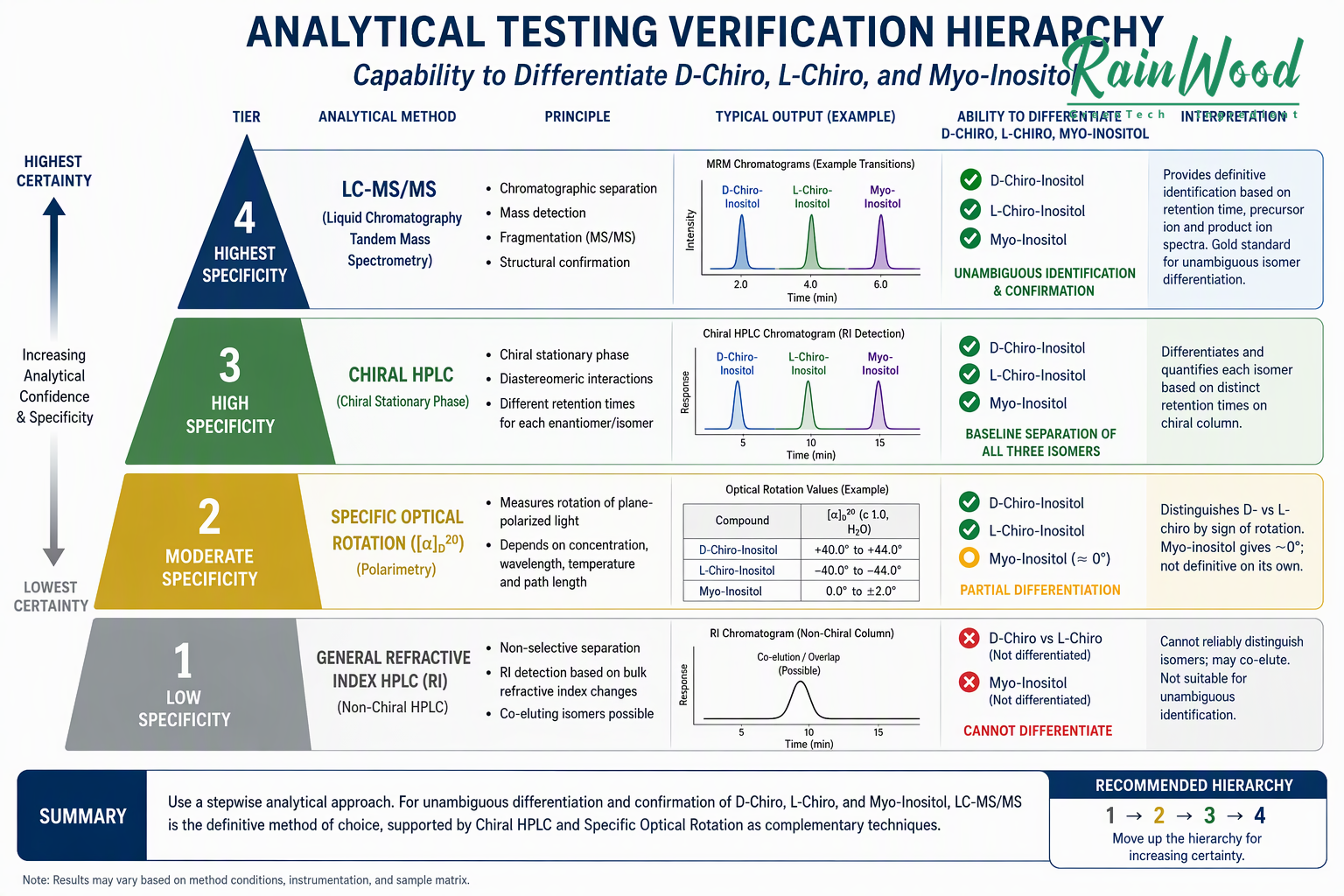
Figure 2: Technical Evaluation & Specification Architecture
A buyer's method-fit checklist
Ask:
- What identity question does each method answer?
- Does the method distinguish D-chiro-inositol from other inositol forms?
- What reference standard and acceptance range are used?
- Is the assay reported as-is or dry basis?
- Are sample preparation, temperature, solvent, and concentration controlled?
- Is the method used for raw material only or also for the finished blend?
- What happens if methods disagree?
Keep the answers with the specification and lot release record. If the material is used at a low percentage in a 40:1 product, include a finished-blend method or a validated sampling plan that can detect ratio drift. The inositol blend uniformity guide covers that second-stage problem.
Method suitability for finished sachets
A raw D-chiro-inositol method may not work unchanged after flavor, acidulant, folate, mineral, or botanical ingredients are added. Matrix peaks can interfere with separation or calculation. The laboratory should verify sample extraction and recovery in the finished blend. A method that passes on a raw powder may need adjustment for a flavored stick pack.
The package can also affect the sample. Moisture uptake, caking, and incomplete dissolution can make a sample nonrepresentative. Document how the sachet is opened, mixed, diluted, and tested. If the product is intended to be dissolved before use, decide whether the release test measures the filled powder, the reconstituted drink, or both.
How RainwoodBio can support a method discussion
RainwoodBio’s public company information describes requirement confirmation, quality testing and release, raw-material management, and laboratory equipment including HPLC, GC, UV, TLC, spectrophotometry, AAS, and polarimetry. These published capabilities provide context for a technical discussion, but they do not prove that a particular D-chiro-inositol project uses a specific validated method. The buyer should request the exact method, scope, standard, report, and product connection.
Identity approval gate
Do not approve the material until the supplier can provide a written method package, lot linkage, reference-standard information, and a plan for the finished formula. Define which results are release requirements and which are supplementary evidence. Record the change-control trigger for any new source, method, form, or package.
Request a chiral Identity Review and provide the product form, target ratio, COA, market, and intended dosage format.
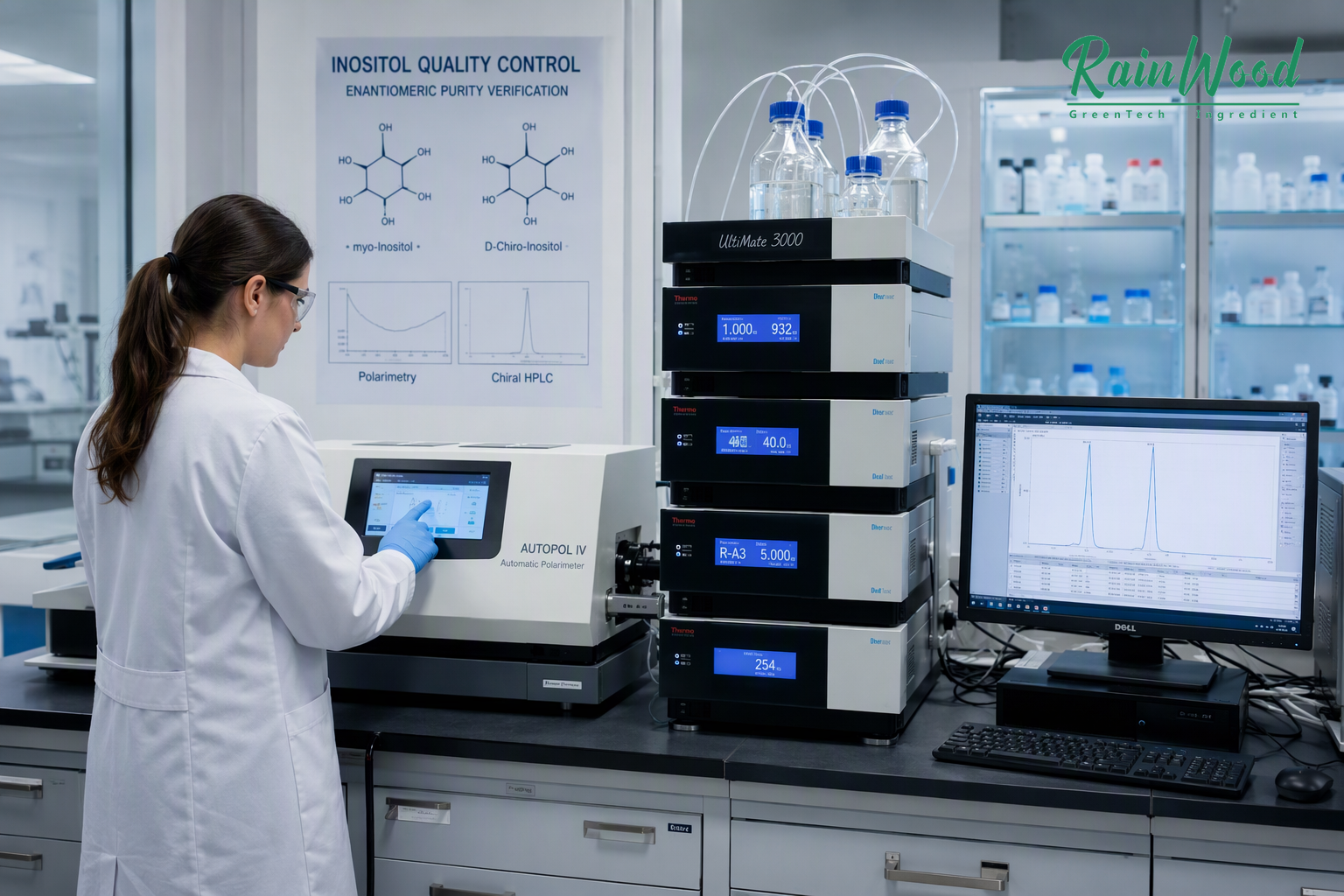
Figure 3: cGMP Production Line & Rigorous Quality Control Process
Resolve conflicting results with a written method comparison
If the supplier and buyer laboratories report different results, compare sample preparation, standard, concentration, temperature, column or detector, calculation basis, and reporting limit before deciding that one party is wrong. Test a retained sample and document the resolution. A difference may come from method specificity rather than a change in the material.
The quality agreement should define which method controls release and when an outside laboratory is used for confirmation. This prevents a high-value lot from being accepted or rejected based on whichever report arrived first. It also gives the brand a defensible explanation if a distributor asks why two documents show different numbers.
Frequently asked questions
Does a polarimeter prove D-chiro-inositol is present?
It can contribute useful identity evidence when the method and reference range are suitable, but it should not be treated as a complete impurity or finished-product profile.
Is chiral HPLC required for every lot?
The frequency and method should reflect risk, supplier history, specification, and market requirements. The key is that the identity question is answered by a suitable method.
Can a raw-material method be used for a flavored sachet?
Not automatically. Matrix interference, recovery, and extraction should be assessed.
What should the COA show?
It should show the exact product, lot, method or method reference, result, basis, acceptance limit, laboratory, and date.
Conclusion
D-chiro-inositol identity is a method-fit problem, not an instrument-name problem. A professional buyer asks what each method proves, what it does not prove, and how the result protects the finished ratio and label.
Disclaimer: This article is for B2B quality and procurement planning. It is not medical advice and does not establish that D-chiro-inositol treats, prevents, or cures disease.
References
- https://pmc.ncbi.nlm.nih.gov/articles/PMC11309080
- https://pubmed.ncbi.nlm.nih.gov/38163998/
- https://www.rainwoodbio.com/
- https://www.rainwoodbio.com/oem
Partner with RainwoodBio for Verified Inositol Manufacturing
Whether you are developing 40:1 Myo to D-Chiro Inositol stick packs, standalone D-Chiro formulations, or prenatal specialty blends, RainwoodBio provides chiral-tested raw materials, cGMP custom packaging, and comprehensive regulatory documentation.
Table of Contents
- “We tested it by HPLC” is not the end of the conversation
- What each method can and cannot tell you
- Reference standards are part of the evidence
- The commercial loss when a method is chosen for appearance
- A buyer's method-fit checklist
- Method suitability for finished sachets
- How RainwoodBio can support a method discussion
- Identity approval gate
- Resolve conflicting results with a written method comparison
- Frequently asked questions
- Conclusion
- References