 EN
Your D-Chiro-Inositol COA May Prove Assay but Not the Correct Isomer
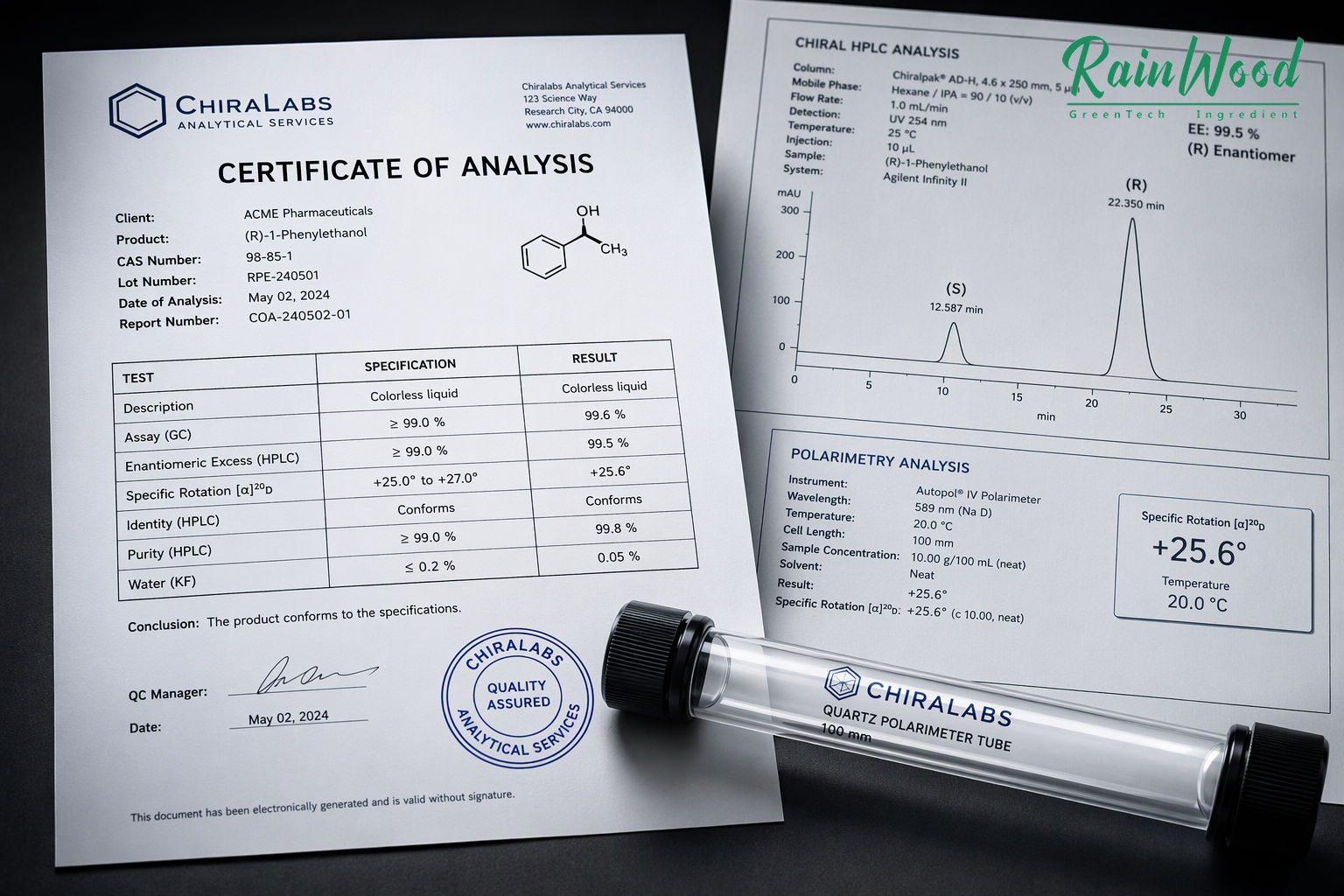
Figure 1: Your D-Chiro-Inositol COA May Prove Assay but Not the Correct Isomer - Commercial & Technical Overview
Executive Summary for B2B Buyers
Discover why standard HPLC assay on a COA cannot distinguish D-Chiro from L-Chiro or Myo-Inositol. Learn how specific optical rotation and chiral chromatography lock true isomer identity.
A high percentage can still answer the wrong question
The D-chiro-inositol COA arrives with an impressive assay result. The supplier highlights 98% or 99%, and the buyer assumes the material is ready for a premium myo-inositol blend. But what exactly did the laboratory prove? A percentage may describe total measured material under a method that does not fully distinguish stereoisomers. It may be reported on a different basis from the buyer's specification. It may also be a typical value rather than a release limit for the specific lot.
The COA is useful only when the method answers the identity and quality questions that matter. For D-chiro-inositol, the buyer should separate at least four questions: Is the material the named compound? Is the stereochemical form correct? How much active is present? What related forms, process residues, water, or contaminants remain?
What the COA should identify
Start with the document itself. The product name should state D-chiro-inositol rather than only “inositol.” The lot number, manufacturing or test date, package, specification revision, laboratory, and reference standard should be visible. The result should be linked to the material shipped, not a generic sample or a trader's catalog file.
Then read the method. “HPLC” is an instrument category, not a complete answer. Ask whether the method is capable of separating the relevant isomers and whether the system suitability, column, reference standard, and calculation basis are defined. If optical rotation is used, ask for the specification range and sample preparation. If a chiral separation is necessary, confirm that the method is appropriate for the matrix and the decision being made.
Use the D-chiro-inositol identity testing guide to compare the verification options before accepting a headline assay.
Assay basis can change the commercial comparison
The same material can show different numbers when reported as-is or on a dry basis. Water and volatile content influence the denominator. A supplier may also use a purity convention that includes or excludes a salt, hydrate, carrier, or process-related fraction. The purchase order should state the basis explicitly and require the supplier to explain any conversion.
In a 40:1 formula, a small change in D-chiro-inositol assay can change the amount of input needed to achieve the declared active dose. If the buyer relies on the nominal powder weight, the final ratio may be inaccurate. The formula should calculate active D-chiro-inositol after assay adjustment and show the overage policy, if any.
Related forms and degradation need their own lines
A COA that reports only “purity” may not show related inositol forms, reaction by-products, residual solvents, metals, or microbiological attributes relevant to the finished product. The appropriate panel depends on the source, route, market, and format. Ask the supplier to identify which risks are controlled and which require separate buyer testing.
Do not use a microbiological result to prove stereochemical identity, and do not use an optical-rotation result alone to prove the absence of every impurity. Each method answers a different question. The professional approach is a method package that fits the material and the risk.
The buyer loss from weak COA review
If the wrong isomer or a weakly specified grade enters production, the brand may need to hold all finished sachets while the laboratory investigates. A failed ratio or label calculation can force rework, relabeling, or destruction. If the product is already selling, the brand may also face marketplace questions or retailer chargebacks.
The hidden loss is supplier ambiguity. When a COA does not show what was tested, the buyer cannot compare suppliers or determine whether a change in method or source has occurred. Every future lot becomes a new argument instead of a controlled release decision.
Build a COA review checklist
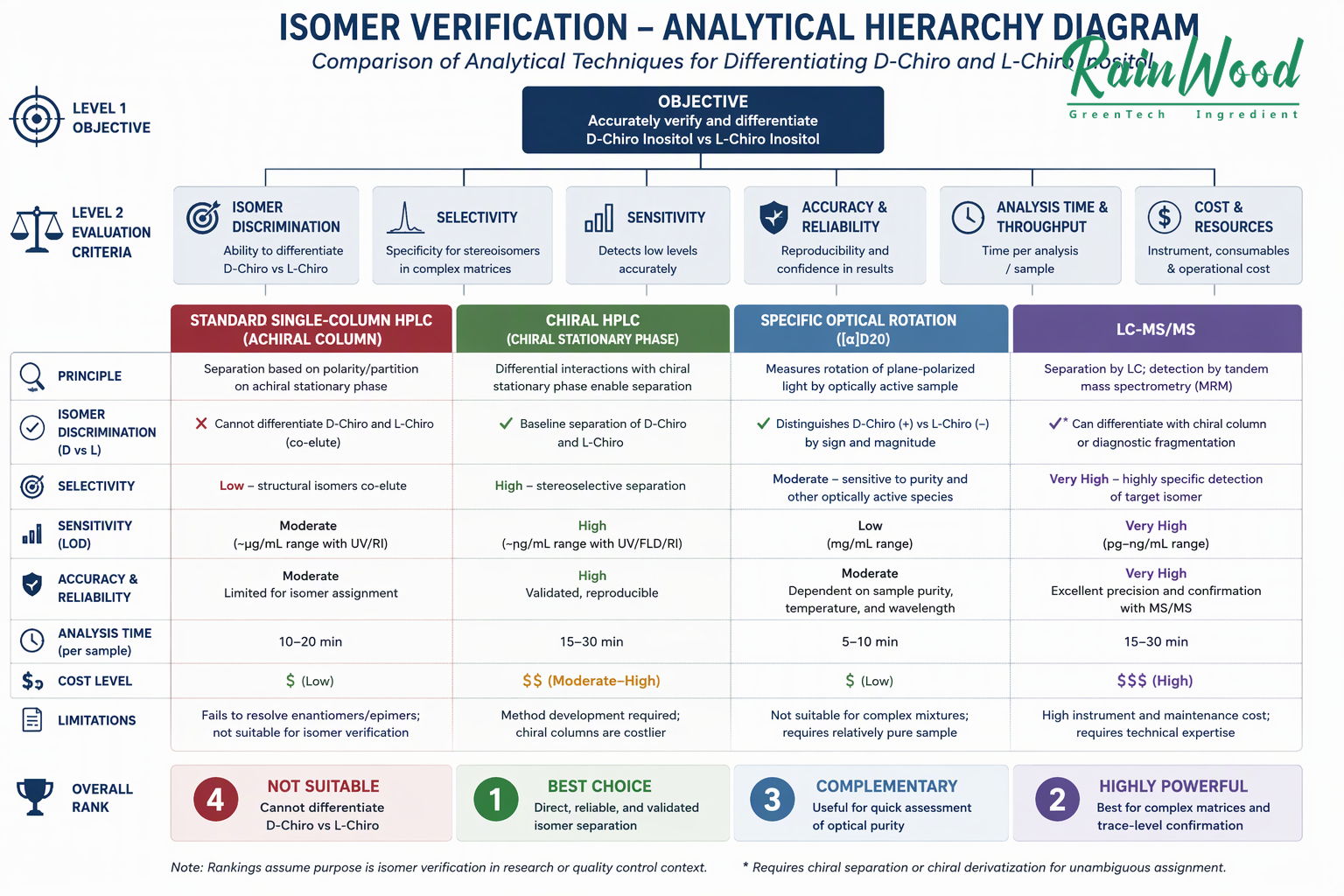
Figure 2: Inositol Formulation Architecture & Analytical Verification Matrix
Ask for the exact specification, not only the COA. Compare the product name, form, lot, dates, methods, reference standards, limits, and results. Confirm whether the report is issued by the manufacturer, an independent laboratory, or a trader. Request the original report or a verifiable copy. Keep the reviewed document with the purchase order and retained sample.
For a finished blend, test the final product separately. Raw D-chiro-inositol identity does not prove the blend contains the correct amount after dilution, and a raw-material COA does not prove every sachet is uniform. The inositol blend uniformity guide explains why the final unit needs its own evidence.
How RainwoodBio can support the release package
RainwoodBio publishes quality testing and release as part of its process, along with raw-material supplier management, compliance documentation, and traceability. It also states that its laboratories use multiple detection devices and that its OEM process includes requirement confirmation. These statements are company-published context, not proof of a specific D-chiro-inositol batch. The buyer should request the exact product specification, lot COA, method package, and finished-product release record.
COA approval gate
Before release, require:
- exact D-chiro-inositol identity and form;
- lot-specific assay with basis stated;
- method and reference standard information;
- appropriate control of related forms and contaminants;
- package and storage information;
- a finished-product plan for ratio and unit uniformity.
Request a COA and specification gap review and send the COA, specification, target market, and intended format for a structured review.
Link the COA to the retained sample and release decision
A COA should never float separately from the physical lot. Record the container, seal, sample location, date opened, storage condition, and laboratory submission. Keep the reviewed COA, method summary, result interpretation, and release decision together. If the document is revised, preserve the previous version and record why.
For the first lots, consider comparing the supplier report with an independent or buyer laboratory result. The purpose is not to distrust the supplier; it is to confirm method comparability and establish a baseline for future trend review. Once the system is stable, the testing frequency can be set by risk and history.
Frequently asked questions
Does 99% assay prove D-chiro-inositol identity?
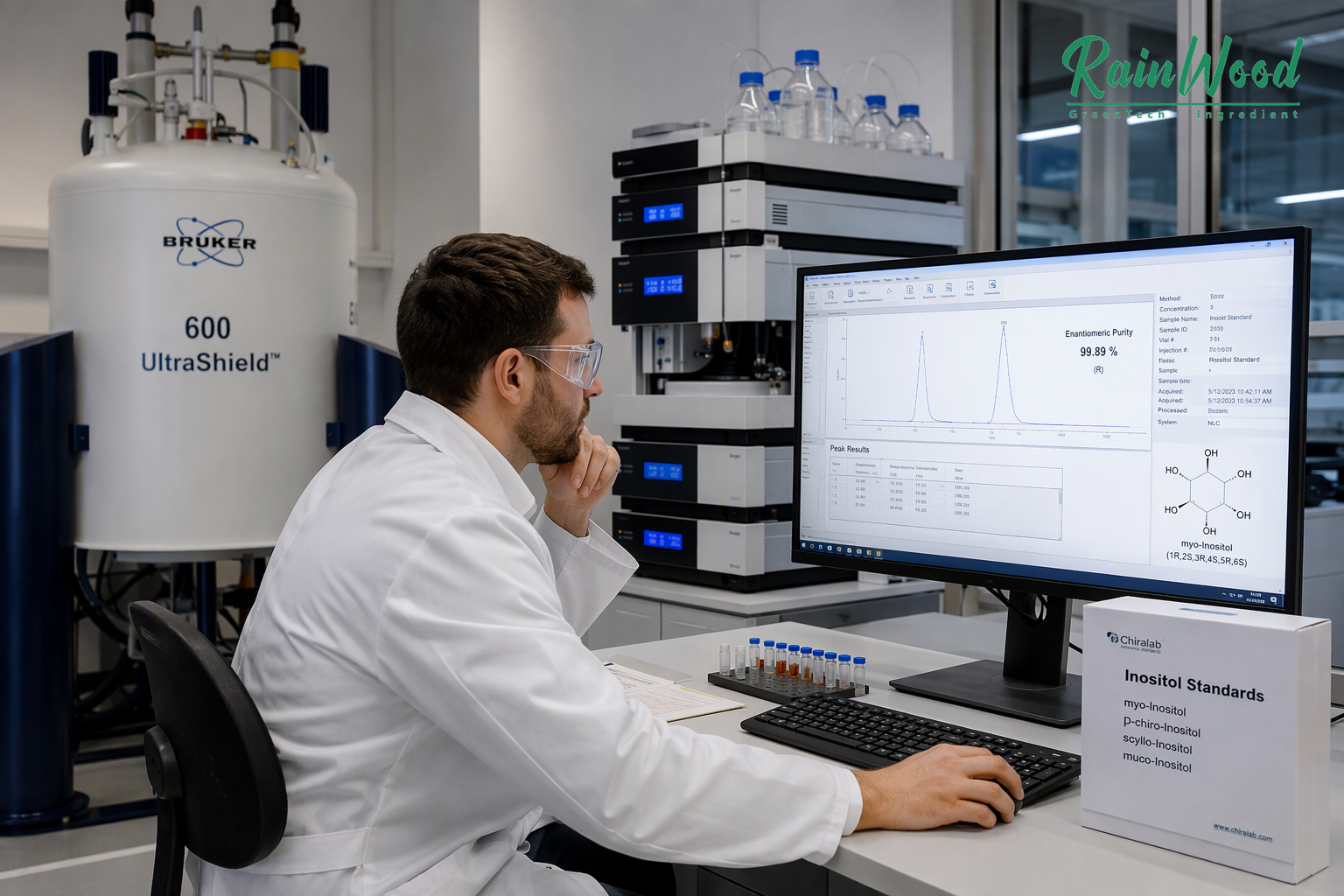
Figure 3: cGMP Stick Pack Packaging & Chiral Testing Release Standards
No. The result must be interpreted with the identity method, stereochemical evidence, reference standard, and related-form controls.
Is optical rotation enough by itself?
It can provide useful evidence, but the method and range must be suitable for the material. It is not automatically a complete impurity profile.
Can a trader issue an acceptable COA?
The document may be useful, but the buyer must verify its connection to the actual manufacturer, lot, method, and shipped material.
Should every finished sachet be tested?
Sampling should be risk-based, but the finished product needs a plan that can support its declared ratio and unit uniformity.
Conclusion
The best D-chiro-inositol COA is not the one with the largest percentage. It is the one that clearly answers identity, stereochemistry, assay basis, impurities, lot linkage, and finished-product release questions.
Disclaimer: This article is for B2B procurement and quality-planning purposes. It is not medical advice or proof that D-chiro-inositol treats, prevents, or cures any disease.
References
- https://pmc.ncbi.nlm.nih.gov/articles/PMC11309080
- https://pubmed.ncbi.nlm.nih.gov/38163998/
- https://www.fda.gov/food/dietary-supplements-guidance-documents-regulatory-information/dietary-supplement-labeling-guide
- https://www.rainwoodbio.com/
Looking for Turnkey Inositol 40:1 Sachets or Bulk Raw Material?
Share the COA, specification, target market, and intended format so Rainwood Bio can discuss the identity and specification checks relevant to your project.