 EN

Why Inositol Powder Caking Can Destroy a Good Formula Before Filling
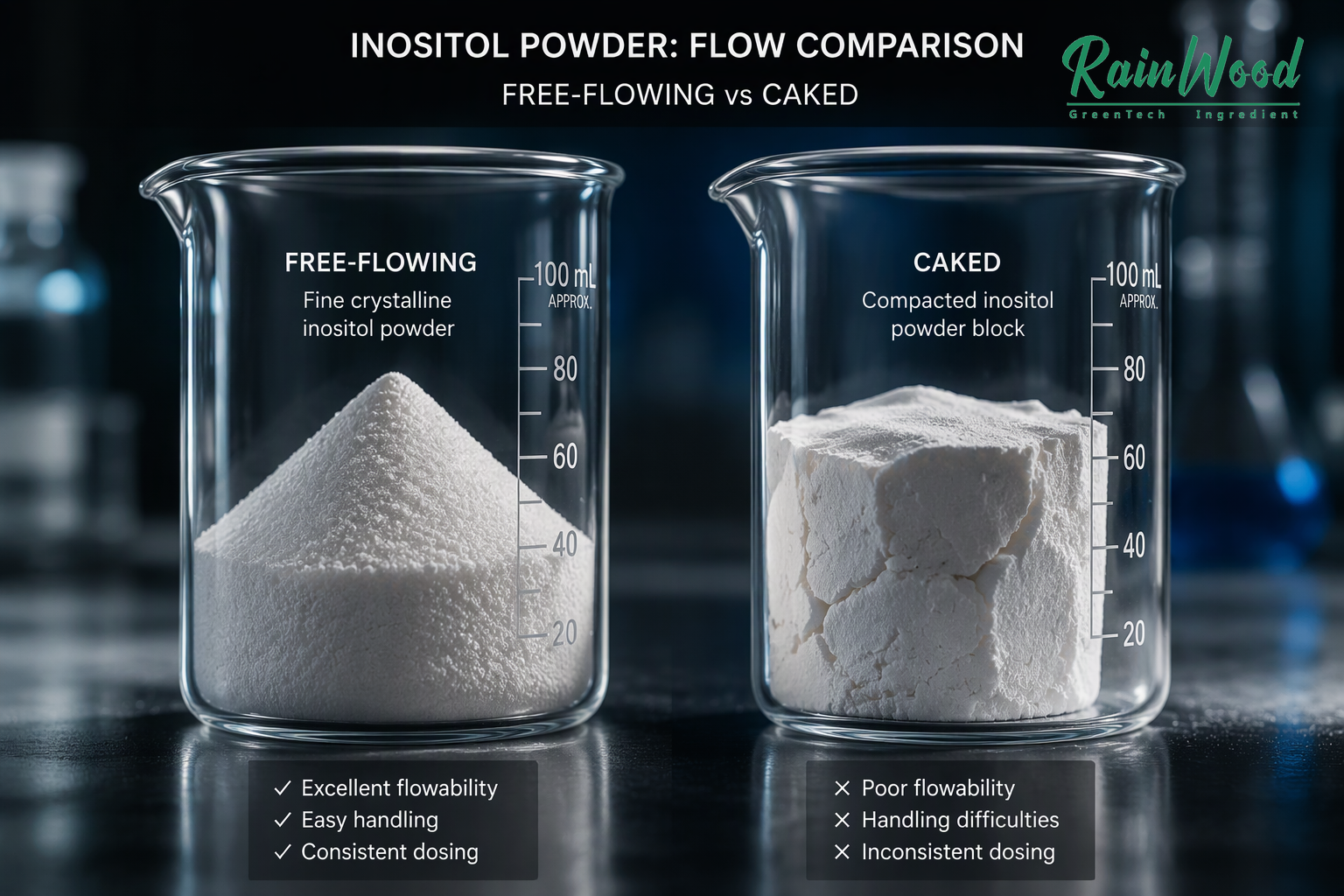
Figure 1: Why Inositol Powder Caking Can Destroy a Good Formula Before Filling - Commercial & Technical Overview
Executive Summary for B2B Buyers
Investigate why inositol powder cakes during storage and filling. Learn critical relative humidity thresholds, moisture adsorption isotherms, and how proper dehumidification and excipients protect blend integrity.
The powder can pass the COA and still fail the filling line
A supplier sends a clean inositol powder with a good assay. The pilot batch flows well, the flavor is acceptable, and the quotation is approved. Weeks later, the commercial drum arrives with clumps. The powder bridges in the hopper, fills unevenly, and leaves residue on the equipment. The quality team asks whether the raw material failed. The production team asks why the approved sample looked different.
This situation is not solved by a higher headline purity. Inositol powder performance depends on water, particle-size distribution, bulk density, electrostatic behavior, storage, liner protection, and handling time. A material can remain chemically within specification while becoming operationally unsuitable for a capsule or sachet line.
The buyer should qualify physical behavior as part of the product specification, especially when the final product uses a large daily amount or a low-dose D-chiro-inositol premix.
Why caking develops
Moisture is one obvious mechanism. If the powder absorbs water during transport, warehouse storage, or repeated opening, particles can form bridges and hard lumps. Temperature cycling can create condensation inside a package. A liner that is not sealed properly can allow the outer drum to look intact while the powder changes inside.
Particle properties also matter. Fine particles have a high surface area and can be more cohesive. A broad particle-size distribution can allow small particles to fill the spaces between larger ones, increasing packing and reducing flow. Electrostatic charge can cause powder to cling to liners, hoppers, and scoops. A premix containing a small amount of D-chiro-inositol may behave differently from bulk myo-inositol because the carrier and dilution process change the physical system.
These risks are not universal defects. They are reasons to test the actual grade in the actual format. The inositol sachet format guide explains why a material that is acceptable in a drum may need different controls for a stick pack.
The buyer loss from ignoring flow
Poor flow creates more than a slower line. It can cause underfilled or overfilled units, frequent operator intervention, equipment cleaning, rejected sachets, and a lower yield. If the product is a 30-day box, small fill variation can create customer complaints about missing powder or inconsistent servings.
For capsules, the brand may need a larger shell, more capsules per serving, or an added flow aid. For sachets, the supplier may need a different auger, vibration setting, or premix step. Each change affects cost, label math, and the production schedule. If the issue appears after printed packaging is delivered, the rework becomes more expensive.
What to test before approving the powder
Ask for bulk density, tapped density, moisture or loss-on-drying, particle-size information, flowability, and caking observations where relevant. These are not universal release tests for every product, but they are useful when the format depends on powder handling. Request a sample large enough for a pilot, not only a small vial for visual review.
Test the powder after exposure to realistic conditions. Compare a sealed sample with a sample held in the intended warehouse or package. Open and reseal the container according to the production procedure. Record the time between opening and filling. For a sachet, check net-fill variation across the run and inspect the seal area for powder contamination.
The method should match the risk. A water result can indicate moisture exposure, but it does not fully describe flow. A flow result can indicate handling performance, but it does not prove chemical identity. Use a combination of tests and keep the acceptance criteria tied to the selected equipment.
Blend behavior is different from single-ingredient behavior
Myo-inositol alone may flow differently from a blend containing a small amount of D-chiro-inositol, folate, chromium, flavor, acidulant, or carrier. A supplier may use a premix to improve distribution, but the premix itself must be checked for homogeneity and stability. Adding more carrier can improve flow while reducing the active concentration and increasing the sachet weight.
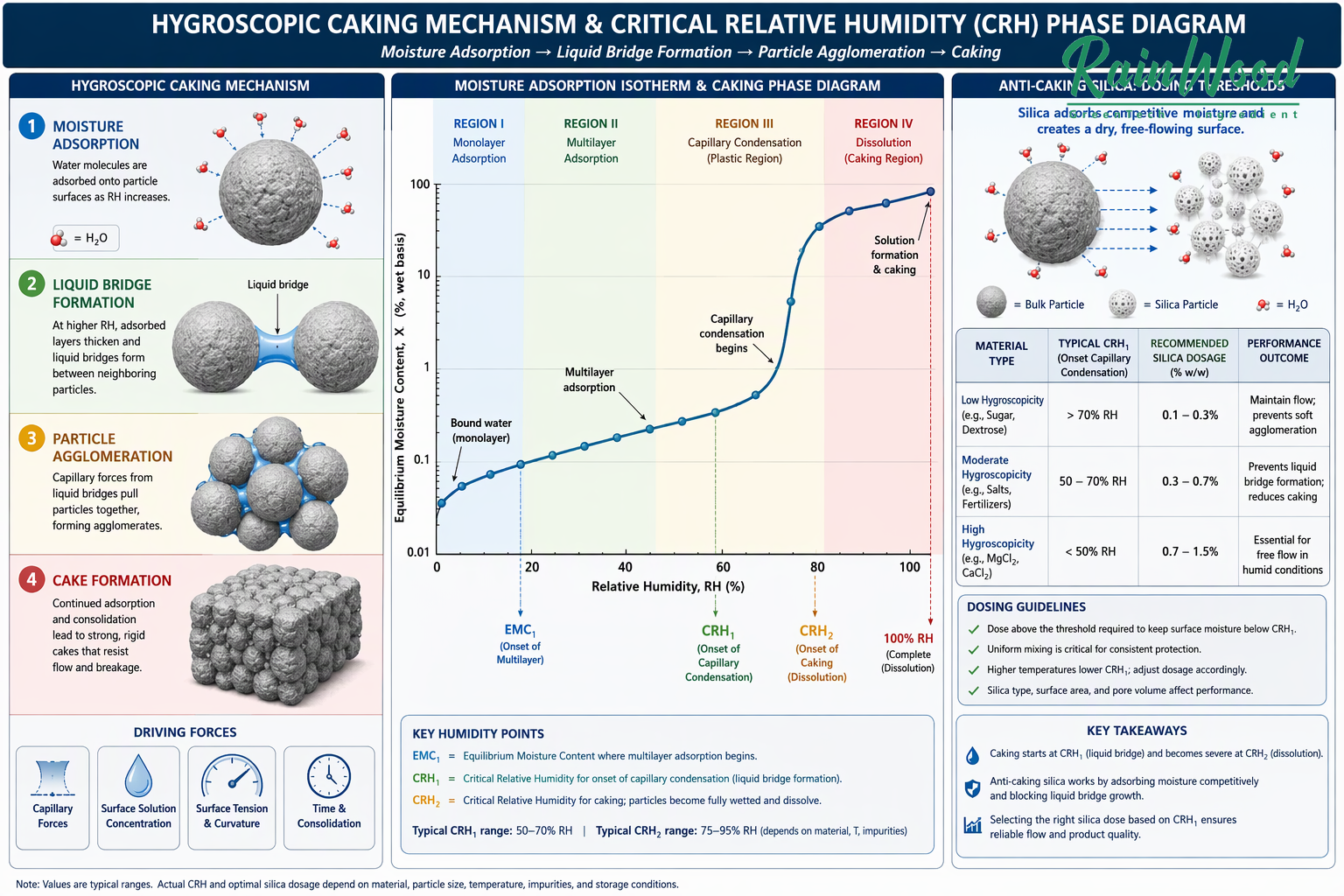
Figure 2: Inositol Formulation Architecture & Analytical Verification Matrix
Do not approve a blend from a single raw-material test. Test the finished blend in the order of addition, mixing time, and equipment planned for commercial production. The inositol blend uniformity guide covers how low-percentage D-chiro-inositol can drift inside a larger myo-inositol matrix.
How packaging changes the result
A moisture-barrier liner, desiccant, seal, and headspace can protect a powder during storage, but only if the package is closed and handled correctly. A large bulk drum opened repeatedly is not equivalent to a sealed single-use sachet. A buyer should review package material, seal integrity, storage temperature, and maximum open time with the supplier.
For finished products, compare bottle, capsule, and sachet exposure. The right package may solve one problem while creating another. A high-barrier stick pack can protect the powder but require stronger seal validation and more expensive film. A bottle may be easy to fill but expose the contents to repeated humidity each day.
How RainwoodBio can support format feasibility
RainwoodBio publicly describes requirement confirmation, raw-material supplier management, production process control, testing and release, and OEM formats including powder stick packs, capsules, tablets, and powders. These capabilities are relevant when a brand needs a flow problem identified before mass production. The project still needs a product-specific pilot, physical-property data, package specification, and acceptance criteria.
Powder approval gate
Before production, ask:
- What moisture and flow limits are appropriate for the format?
- How will the powder be sampled across the drum and filling run?
- Is the D-chiro-inositol component added directly or through a premix?
- What package protects the material after opening?
- What happens if caking appears during filling?
Request a Inositol Powder Flow Feasibility Review and send the target dose, equipment, package, and sample COA.
Agree on a practical caking response
The quality agreement should state what happens when the powder shows caking: confirm the observation, check package integrity, test water and assay, inspect flow, and decide whether the material can be conditioned, reworked, or must be rejected. Do not allow operators to break hard lumps and continue without recording the event, especially when a low-dose D-chiro component is present.
Trend caking reports with transport and warehouse information. If the issue appears only after a long sea shipment or after repeated opening, the package and logistics process may need redesign. This turns a complaint into a control improvement rather than a recurring surprise.
Frequently asked questions
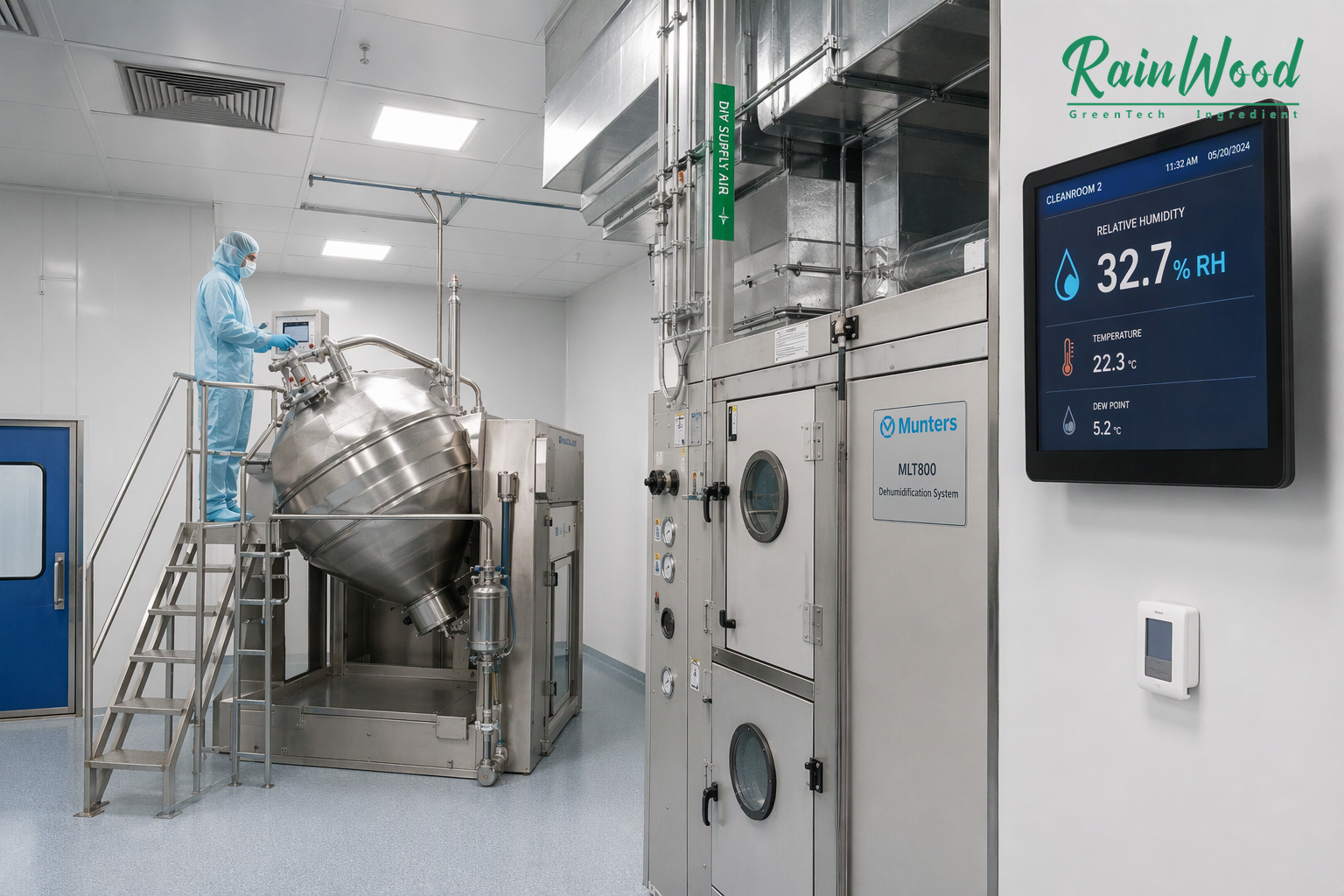
Figure 3: cGMP Stick Pack Packaging & Chiral Testing Release Standards
Does caking prove the powder is degraded?
No. Caking may result from moisture or physical handling even when assay remains within limits. The cause requires investigation.
Can a desiccant solve every flow problem?
No. Particle size, density, electrostatics, package opening, and equipment settings also matter.
Should flow be a release specification?
It may be appropriate when the format depends on it. Define the test and limit based on the actual production process.
Is a small sample enough for a flow decision?
Usually not. The buyer needs enough material for representative pilot handling and retained comparison.
Conclusion
Inositol quality is not only what the powder contains. It is also how the powder behaves when it reaches the hopper, auger, capsule machine, or sachet filler. Qualify moisture, flow, packaging, and blend behavior before a good COA becomes an expensive production problem.
Disclaimer: This article is for B2B procurement and formulation planning. It is not medical advice and does not establish that inositol products treat, prevent, or cure disease.
References
- https://pubmed.ncbi.nlm.nih.gov/38163998/
- https://pmc.ncbi.nlm.nih.gov/articles/PMC11309080
- https://www.rainwoodbio.com/oem
Looking for Turnkey Inositol 40:1 Sachets or Bulk Raw Material?
Share your target dose, pack format, sample COA, and flow concerns so Rainwood Bio can discuss powder handling and packaging options for your project.