 EN
The Inositol Supplier Qualification Checklist for Private-Label Brands
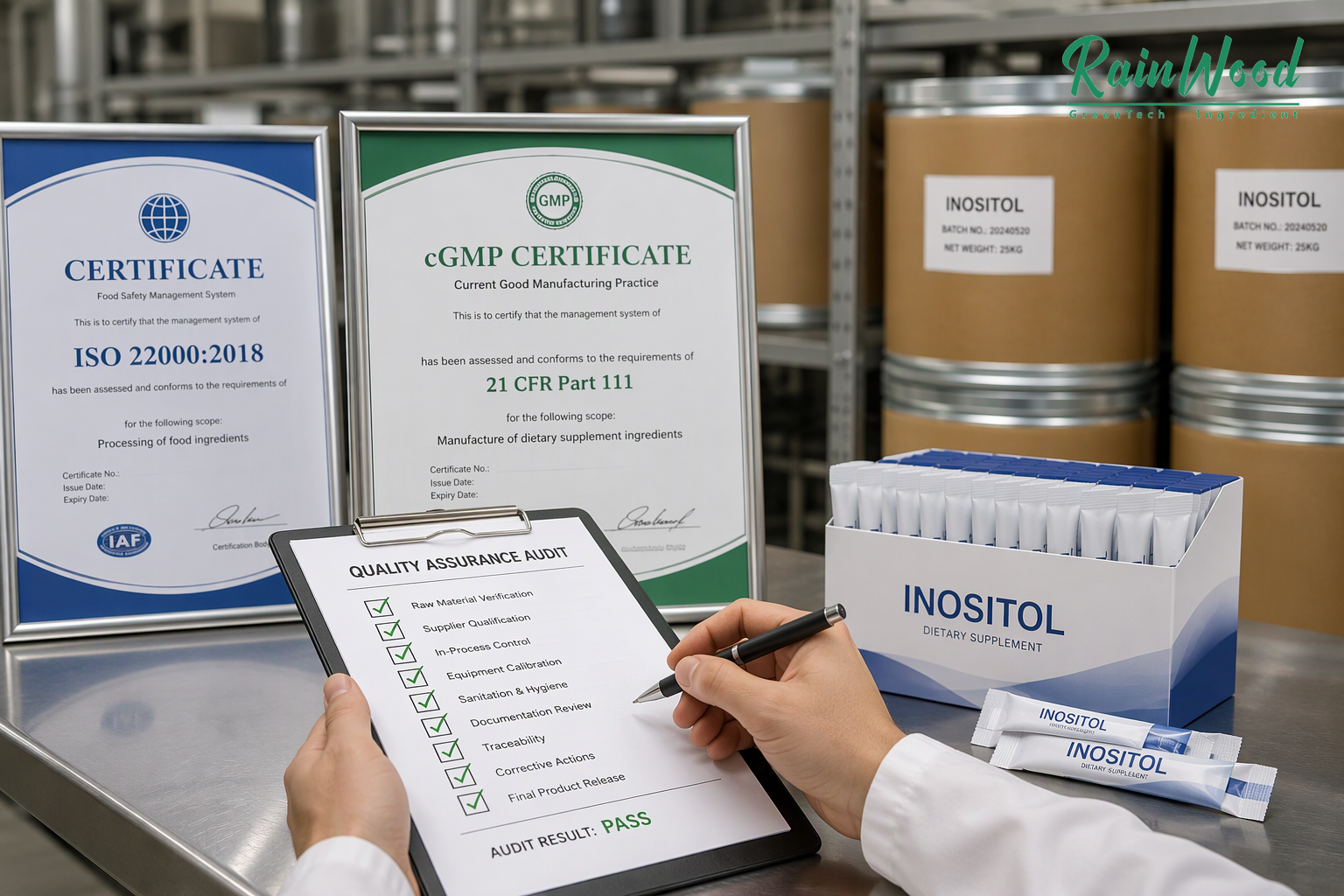
Figure 1: The Inositol Supplier Qualification Checklist for Private-Label Brands - Commercial & Technical Overview
Executive Summary for B2B Buyers
Download the 6-point supplier qualification checklist for Myo & D-Chiro Inositol. Audit isomer identity, blending validation, packaging barrier integrity, and cGMP compliance before placing orders.
A supplier is not qualified because the sample tastes good
The sample is clean, the price is competitive, and the salesperson promises a popular 40:1 sachet. That is a useful beginning, not a qualification decision. A private-label brand needs a supplier that can control the exact inositol form, the D-chiro-inositol component, the ratio, the finished unit, the package, the market file, and the response when a lot fails.
The checklist below is designed for founders, importers, formulators, and established brands switching suppliers. It connects technical evidence to commercial accountability.
1. Lock exact identity and form
Ask whether the supplier is offering generic inositol, myo-inositol, D-chiro-inositol, or a combination. Require the exact form in the quote, specification, sample label, COA, purchase order, master formula, and finished-product release. If the product is a ratio blend, state the active milligrams and ratio basis.
Ask how D-chiro-inositol identity is confirmed and whether related forms are controlled. The D-chiro identity testing guide can guide the method discussion.
2. Review the COA and specification together
Check lot number, manufacturer, test date, methods, reference standards, assay basis, limits, water, related forms, residual solvents or metals where relevant, microbiological requirements where relevant, appearance, storage, and shelf life. A 99% total assay is not enough if the product claim depends on the ratio or specific stereoisomer.
Ask which results are release values and which are typical. Request the complete specification and a verifiable report rather than a cropped screenshot. Keep a reviewed copy with the retained sample.
3. Verify the 40:1 blend process
Ask whether D-chiro-inositol is added directly or through a premix. Request mixing order, equipment, batch size, time, transfer path, sampling locations, and finished-unit acceptance criteria. A low-dose component needs more than an average total powder weight.
Require start-middle-end samples from the blend and filling run. The inositol blend uniformity guide explains why unit-level evidence matters.
4. Qualify the chosen format
For powder sachets, review moisture barrier, film, seal integrity, fill weight, flavor, dissolution, and transport. For capsules, review bulk density, shell size, fill variation, and daily unit count. For tablets, review compression and disintegration. Ask for a pilot using the actual formula and package rather than a laboratory substitute.
5. Test stability in the intended package
Request storage conditions, shelf-life basis, water limits, package opening instructions, and stability data for the same form and dosage format. A raw-powder study does not automatically establish the shelf life of a flavored stick pack. Include retained samples and in-use conditions where the customer opens a multi-dose package repeatedly.
6. Audit change control and traceability
Ask how the supplier controls changes to source, manufacturer, process, method, package, flavor, and facility. Request a batch traceability path from raw material to finished carton. Ask how complaints, deviations, replacements, and recalls are handled.
RainwoodBio publicly describes requirement confirmation, supplier management, process control, testing and release, compliance documentation, warehousing/logistics, and traceability. Its OEM page also describes custom capsules, powder subpackages, and tablets. These published capabilities are relevant context; the buyer should still verify the exact inositol project evidence and certificate scope.
7. Review market and claim support
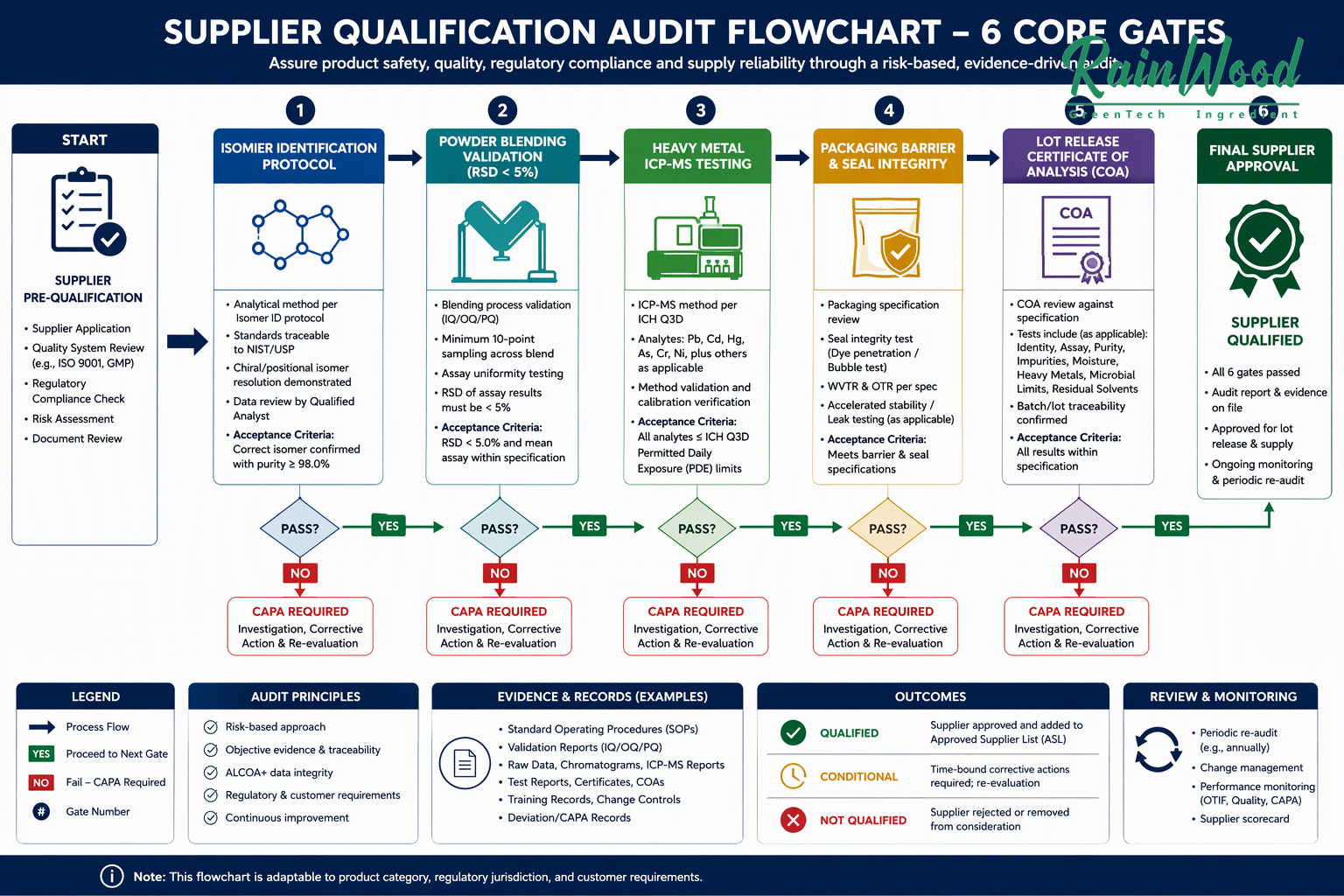
Figure 2: Inositol Formulation Architecture & Analytical Verification Matrix
Confirm target countries, legal category, label language, responsible party, serving, warnings, and claims. Ask who reviews the label and how marketing changes are controlled. A supplier can provide technical material, but the brand remains responsible for the market-facing claim.
Use the inositol market-entry dossier guide to organize the technical file and platform documents.
8. Put accountability into the purchase order
State the approved form, ratio, active amount, methods, package, shelf life at shipment, sampling, release documents, lead time, change notice, nonconformance response, and inspection rights. Ask who pays for confirmatory testing when the lot fails. A low price with no remedy is not a controlled commercial offer.
Supplier approval gate
Approve only when the supplier can answer four questions with evidence:
- Is it the exact inositol product requested?
- Can the supplier reproduce the approved sample at scale?
- Can the finished format maintain dose and stability?
- Can the brand obtain the market and claim documents it needs?
Request a Inositol Supplier Qualification Review with the formula, sample COA, target market, format, quantity, and current supplier problem.
Requalify after a meaningful change
Supplier qualification is not permanent. Reopen the review when the source, form, manufacturing site, analytical method, premix, package, flavor, dosage format, or target market changes. Compare the new material with the approved sample and decide whether new pilot, stability, or label work is required.
Keep a supplier scorecard that tracks lot acceptance, COA quality, response time, complaints, delivery, and change notifications. A supplier with a good first lot but poor change control should be classified differently from a supplier with stable performance and transparent communication.
Keep the checklist tied to the actual SKU
A supplier may be qualified for a myo-inositol capsule but not for a 40:1 D-chiro-inositol sachet. The same company can also have different evidence for raw-material supply and finished OEM production. Write the approved scope beside the supplier name, including form, ratio, format, market, and package. Reuse the checklist, but do not reuse the approval automatically.
Ask the supplier to confirm which documents are product-specific and which are general company documents. This simple distinction helps the buyer avoid presenting a general certificate or capability page as proof of a particular batch.
Review supplier performance as a trend
Track delivery, lot acceptance, COA completeness, complaint response, change notifications, and replacement time. A single good sample cannot reveal whether the supplier consistently manages a 40:1 sachet. Trend data turns qualification into an ongoing decision rather than a one-time presentation.
Confirm the supplier can support your inquiry after launch
Ask who will provide replacement samples, updated COAs, change notices, and complaint investigations after the first shipment. A qualification decision should include after-sales evidence access, not only pre-order documents. This is especially important for a product with a low-dose D-chiro component and a high-volume sachet format.

Figure 3: cGMP Stick Pack Packaging & Chiral Testing Release Standards
Frequently asked questions
Is a factory audit enough?
No. A system audit does not replace product identity, ratio, lot, finished-unit, stability, and market evidence.
Should every lot be independently tested?
The frequency should reflect risk and history. New suppliers, new forms, unexplained variation, or high-value lots justify stronger confirmation.
What is the most overlooked item?
Change control is often overlooked. A source or method change can invalidate the original sample, label, or evidence.
Can a supplier provide a ready-made inositol dossier?
Ask for the exact product and market scope. A generic capability statement is not a product-specific dossier.
Conclusion
The right inositol supplier connects stereoisomer identity, ratio math, blend control, format performance, stability, documentation, and accountability. Use the checklist before approving a sample, not after the first complaint.
Disclaimer: This checklist is for B2B procurement and quality planning. It is not medical, legal, or regulatory advice and does not establish that inositol products treat, prevent, or cure disease.
References
- https://pubmed.ncbi.nlm.nih.gov/38163998/
- https://pmc.ncbi.nlm.nih.gov/articles/PMC11309080
- https://www.rainwoodbio.com/oem
- https://www.rainwoodbio.com/
Looking for Turnkey Inositol 40:1 Sachets or Bulk Raw Material?
Share your formula, sample COA, target market, format, and planned quantity so Rainwood Bio can discuss the specification and supplier checks relevant to your project.