 EN
Executive Summary: B2B buyer's audit checklist for qualifying inositol sachet contract manufacturers. Audit blending validation, micro-dose content uniformity, barrier foil integrity, and batch testing protocols.
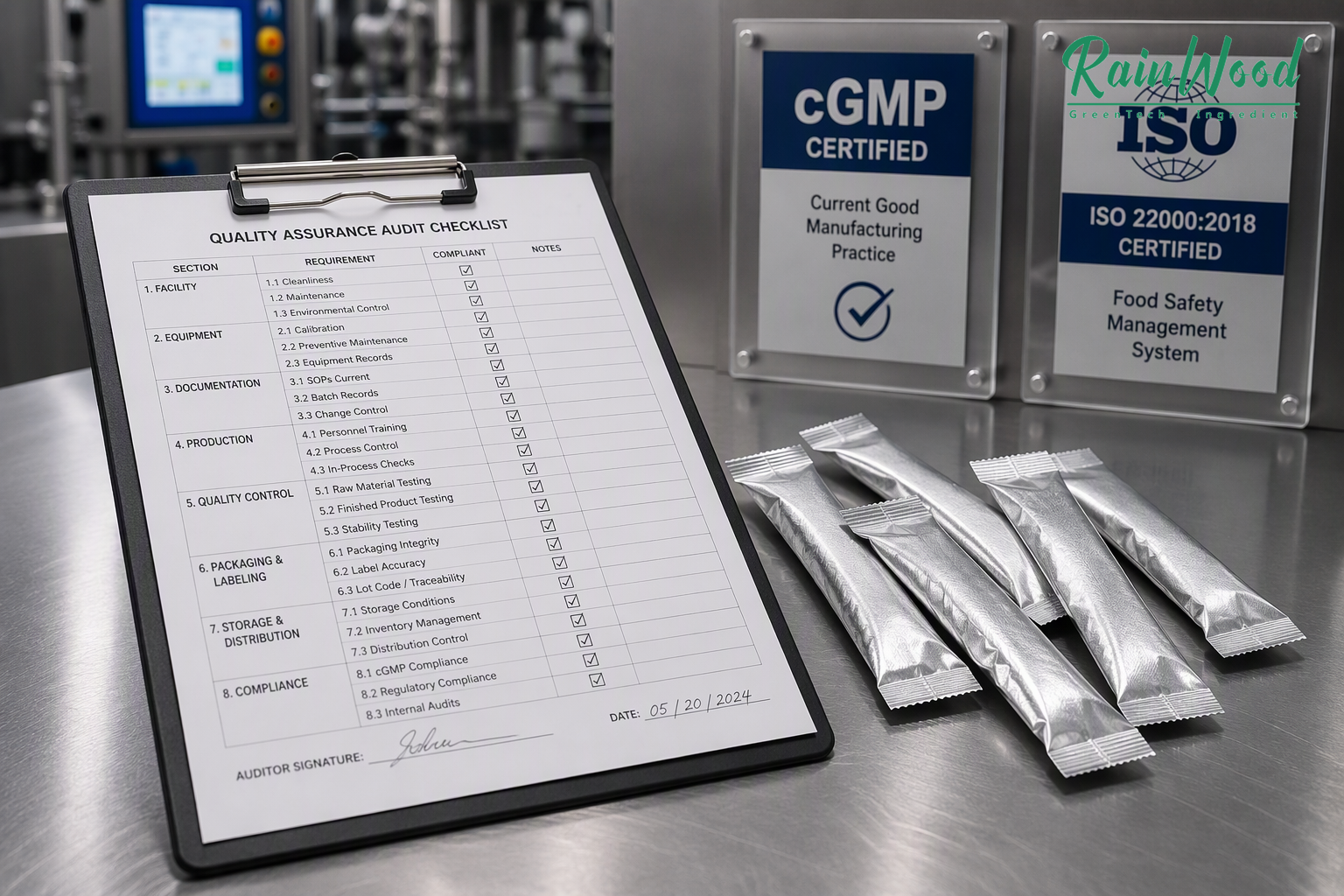
Figure 1: How to Qualify a Myo-Inositol & D-Chiro-Inositol Sachet Supplier: 5-Point Audit Checklist - Professional B2B Manufacturing & Quality Standards
The sachet supplier must control the unit, not only the powder
A supplier can provide a good myo-inositol COA and a good D-chiro-inositol COA while failing to deliver a reliable sachet. The final product has to control the ratio, active dose, total fill, flavor, dissolution, moisture, seal, carton, and shelf life. Supplier qualification should therefore start with the finished-unit risk and work backward to raw materials and process.
This checklist is for private-label brands deciding whether a supplier can turn a popular ratio concept into a repeatable product.
1. Confirm exact identity and active dose
Require the full form names, not only “inositol.” State myo-inositol and D-chiro-inositol milligrams per sachet and per daily serving. Define whether the 40:1 ratio is based on active weight. If a premix or carrier is used, show its potency and input amount.
Ask for identity methods and assay basis. The D-chiro-inositol COA guide explains why a high percentage is not enough.
2. Review the premix and blending process
Ask whether the low-dose D-chiro component is diluted before the main blend. Request mixing order, equipment, batch size, time, transfer path, hopper residence, and discharge controls. Ask how the supplier prevents segregation after mixing.
Require samples from the blend and filling run. Do not accept a statement such as “fully mixed” without a sampling and method plan. The inositol sachet uniformity guide gives a practical framework.
3. Qualify the filling and seal
Review net-fill tolerance, powder loss, auger settings, seal temperature, seal strength, leak testing, and the effect of powder on the seal area. Ask for beginning-middle-end samples and transport checks. A sachet that leaves the filler intact can still fail after vibration or carton packing.
4. Check flavor and customer instructions
Request the water volume, mixing time, flavor, sweetener, acidulant, and recommended use. Test taste and dissolution under realistic conditions. If the product can be stored after mixing, define the in-use condition. Do not let flavor hide an unexplained powder or odor change.
5. Review film and stability evidence
Ask for film structure, moisture barrier, seal specifications, storage, shelf life, and opening instructions. Stability should use the actual blend and finished sachet, not only a sealed raw powder. Retain units from each lot for future complaint investigation.
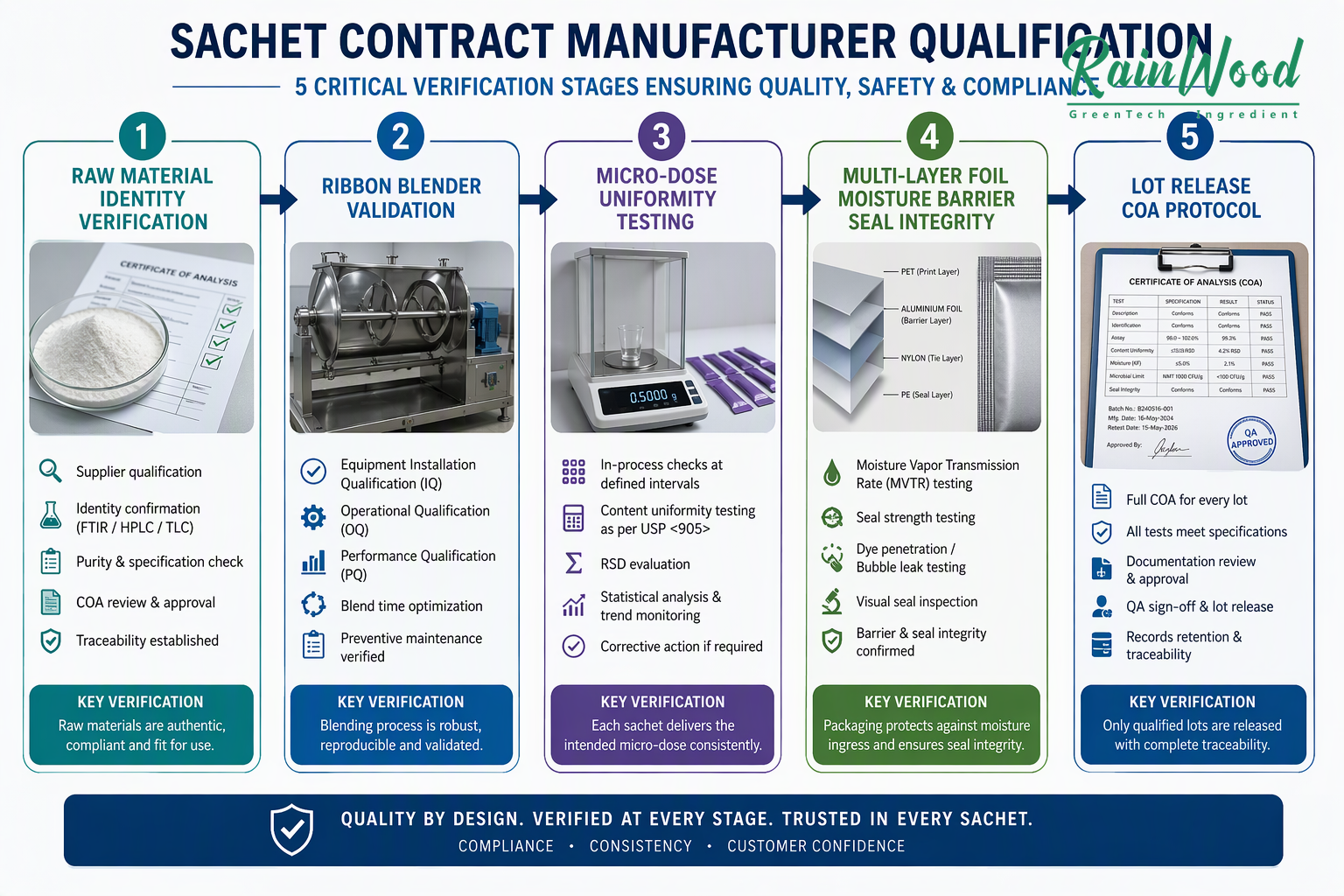
Figure 2: Technical Evaluation & Specification Architecture
6. Review quality and traceability systems
Ask how supplier changes, raw-material lots, film lots, batch records, deviations, complaints, replacements, and recalls are controlled. Request a document index and a response time for nonconformances.
RainwoodBio publishes requirement confirmation, raw-material supplier management, production and process control, testing and release, packaging, logistics, and traceability. Its OEM page describes powder subpackage and customized specifications. These statements provide company context; exact sachet evidence and current certification scope still need confirmation.
7. Put acceptance terms in writing
The purchase order should state exact forms, active amounts, ratio, finished-unit tests, package, shelf life at shipment, sample approval, change notification, lead time, and remedy for a failed lot. Clarify whether testing, stability, packaging, and label support are included in the quote.
Supplier approval gate
Approve only when the supplier can demonstrate:
- exact identity and active-dose calculation;
- controlled low-dose premix and blend;
- representative unit sampling;
- suitable film and seal controls;
- finished-product stability;
- traceability and failure response.
Request a sachet supplier qualification review with the formula, target ratio, sachet weight, package, market, and monthly quantity.
Ask for an evidence handoff before the first order
The supplier should provide a clear handoff package: approved sample, specification, raw-material COAs, master formula, filling and seal parameters, finished-product COA, stability plan, packaging details, and change-control contact. Ask who will answer a technical question after the sales representative changes. The quality handoff should not depend on one person or one chat history.
For the first commercial lot, agree on a hold-and-release step before the product is shipped to the brand's warehouse. This gives both sides a defined point to resolve identity, ratio, fill, seal, or package questions while the lot is still traceable and retained.
Use a staged qualification instead of a single yes or no
Classify the supplier as exploratory, conditional, or approved. Exploratory means the company can provide a sample and basic documents. Conditional means identity and process are acceptable but first-lot or stability evidence is still outstanding. Approved means the product, format, documents, and response terms meet the agreed requirements. This staged model helps a brand move quickly without pretending that a sales sample is a full qualification.
Review the classification after every major change. A supplier can remain approved for one inositol format and conditional for a new ratio sachet or new market. Keeping the scope visible prevents a successful capsule project from being treated as automatic proof for a powder stick pack.
Ask who owns the final release decision
The supplier should identify the person or function responsible for releasing the finished sachet and explain what records support that decision. If release is treated as a sales promise instead of a documented quality step, the buyer has no clear escalation path when a lot is disputed.
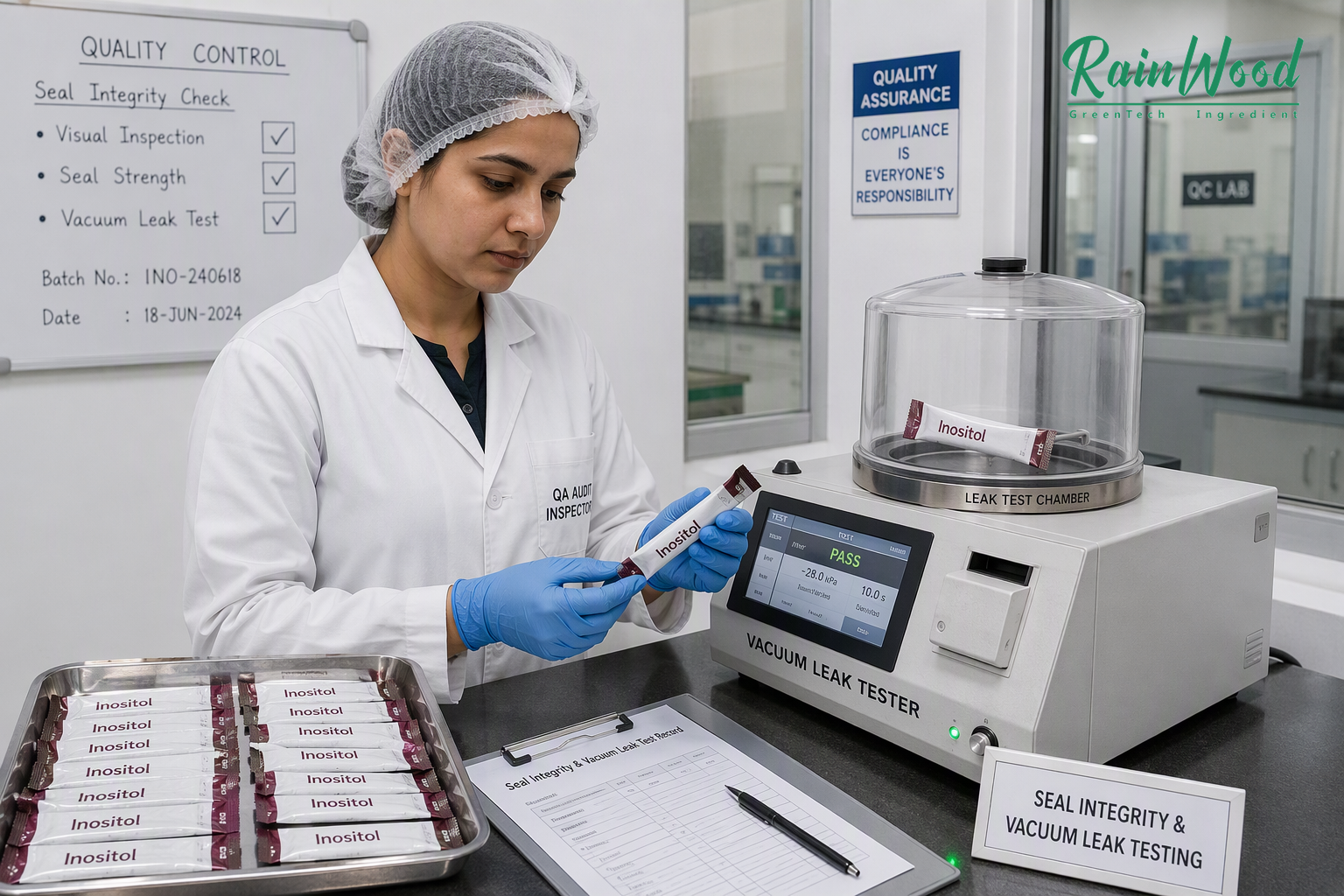
Figure 3: cGMP Production Line & Rigorous Quality Control Process
Confirm communication after the purchase order
Ask how technical questions, deviations, and urgent release issues are escalated after the order is placed. A supplier with a clear quality contact and response process reduces the chance that a sachet problem waits for a sales reply while production or shipping continues.
Keep the first lot on hold until the file is complete. Do not release it only because the packaging looks correct; wait for the approved COA, active-unit results, seal checks, and document index.
Keep the qualification record easy to audit
Save the approved formula, sample photos, COAs, pilot results, package specifications, and contact names in one controlled folder. This makes the supplier decision explainable when procurement changes or a retailer asks for evidence months later.
Frequently asked questions
Is a raw-material supplier enough for a sachet project?
Not necessarily. The brand needs a partner that can control blending, filling, packaging, and finished-unit release.
What should the sample include?
The actual forms, ratio, flavor, sachet film, net fill, and use instructions planned for commercial production.
Can the supplier use a different film after approval?
Only through change control because moisture protection and seal performance may change.
What is the most important qualification question?
Ask how the supplier proves that the active amount and ratio are consistent in the finished sachet.
Conclusion
Qualify the supplier around the finished sachet, not only the raw powder. When identity, ratio, blending, filling, film, stability, and traceability are connected, the 40:1 product becomes a controlled commercial system.
Disclaimer: This checklist is for B2B procurement and quality planning. It is not medical, legal, or regulatory advice and does not establish that inositol products treat, prevent, or cure disease.
References
- https://pubmed.ncbi.nlm.nih.gov/38163998/
- https://pmc.ncbi.nlm.nih.gov/articles/PMC11309080
- https://www.rainwoodbio.com/oem
- https://www.rainwoodbio.com/
Partner with RainwoodBio for Verified Inositol Manufacturing
Whether you are developing 40:1 Myo to D-Chiro Inositol stick packs, standalone D-Chiro formulations, or prenatal specialty blends, RainwoodBio provides chiral-tested raw materials, cGMP custom packaging, and comprehensive regulatory documentation.
Table of Contents
- The sachet supplier must control the unit, not only the powder
- 1. Confirm exact identity and active dose
- 2. Review the premix and blending process
- 3. Qualify the filling and seal
- 4. Check flavor and customer instructions
- 5. Review film and stability evidence
- 6. Review quality and traceability systems
- 7. Put acceptance terms in writing
- Supplier approval gate
- Ask for an evidence handoff before the first order
- Use a staged qualification instead of a single yes or no
- Ask who owns the final release decision
- Confirm communication after the purchase order
- Keep the qualification record easy to audit
- Frequently asked questions
- Conclusion
- References