 EN

Executive Summary: Engineering guide to calculating net active Myo-Inositol and D-Chiro-Inositol per sachet. Avoid premix weight confusion, ensure 2000mg-4000mg active loading, and optimize unit economics.
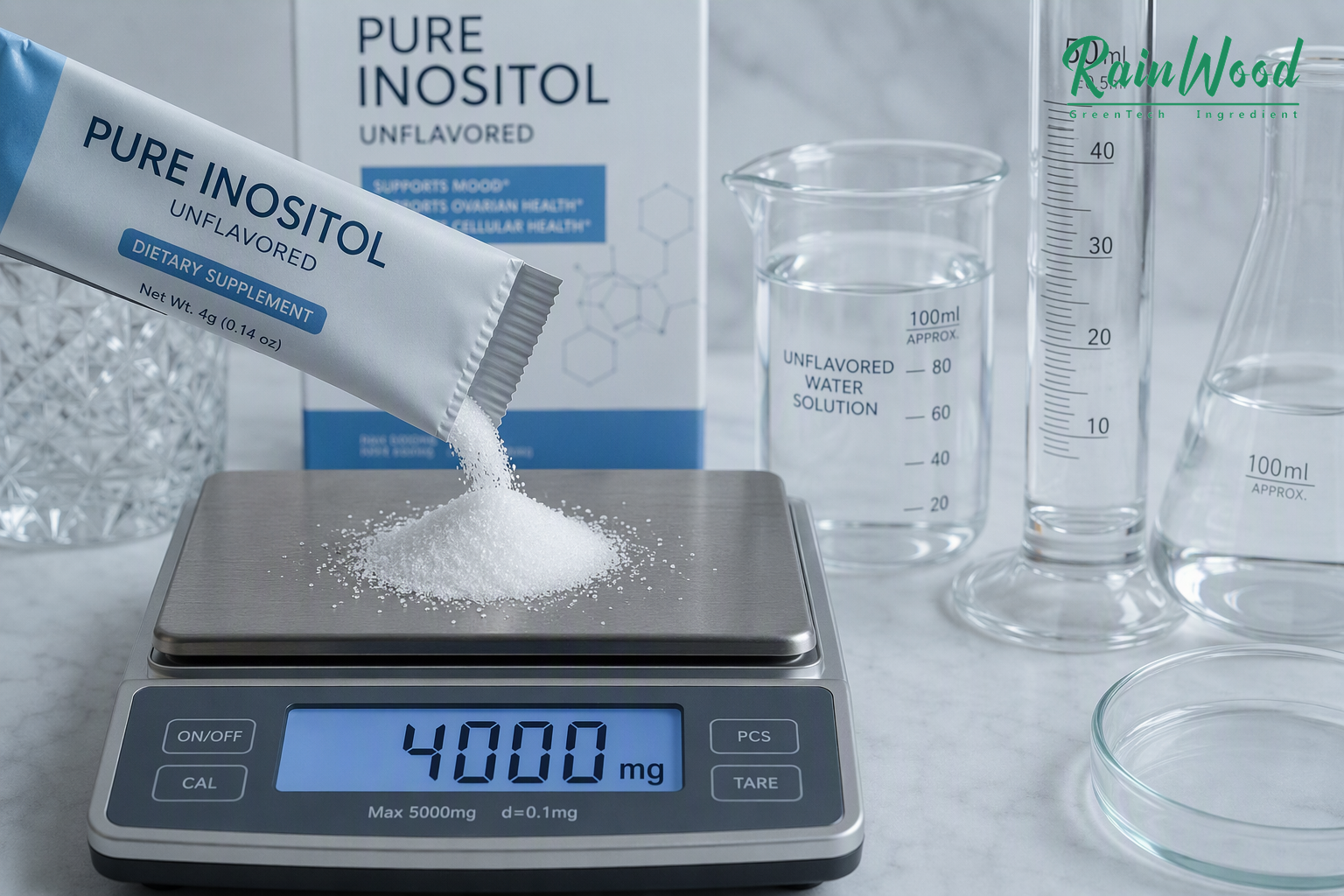
Figure 1: How Much Myo-Inositol and D-Chiro-Inositol Is Really in One Sachet? Dose Audit Guide - Professional B2B Manufacturing & Quality Standards
The box count does not tell you the daily dose
Many inositol products are sold in boxes of 30 or 60 sachets. Buyers often compare the number of sticks and the front-panel ratio before checking the actual active amount in one stick. A 30-stick box can represent 15 days, 30 days, or a different serving plan depending on whether the customer takes one or two sticks daily.
For a myo-inositol and D-chiro-inositol product, dose math should start with active milligrams per sachet. Then calculate the daily serving, monthly amount, package weight, filling cost, and the amount of raw material needed after assay adjustment. The ratio is only one line in this calculation.
Use active amounts not premix weight
If the product contains 2,000 mg myo-inositol and 50 mg D-chiro-inositol per sachet, the active total is 2,050 mg and the active ratio is 40:1. If the D-chiro component is supplied in a 50% premix, the input weight is 100 mg, not 50 mg. The label and formula must distinguish the active amount from the premix weight.
Do the same for folate, chromium, or other companion ingredients. A carrier can increase the sachet weight without increasing the declared active. The inositol blend formula guide explains how premix math affects the full specification.
Calculate the monthly supply
Write the number of sachets per serving, servings per day, sachets per box, and boxes per month. Then calculate active myo and D-chiro amounts per day and per month. Add overage only where it is justified and documented. Do not hide overage inside a “proprietary blend.”
The package and subscription price should be compared using days of supply, not only sticks per box. A 60-stick box may look cheaper than two 30-stick boxes but can require more working capital, more moisture exposure after opening, or a different shipping carton. The inositol sachet format comparison addresses these package economics.
Assay adjustment changes raw-material purchasing
If myo-inositol is 98% assay and D-chiro-inositol is 99%, the input amount required for the active target must be adjusted. If the supplier reports a dry-basis result, the calculation must remain consistent with the product specification. Record the basis in the master formula and purchase order.
If the ratio is printed as 40:1, decide whether it is calculated before or after assay adjustment. The cleanest approach is to define active amounts per finished serving and use the raw-material assay to calculate input quantities. This prevents a supplier from meeting the theoretical input ratio while missing the declared active ratio.
The buyer loss from unclear dose math
An unclear serving can create customer complaints, higher refund rates, or a product that lasts half as long as the page suggests. A brand may also under-order raw material and discover that the actual monthly cost is higher than the original quotation. If the formula is changed to fit the sachet, the label and evidence need to be reviewed again.
The risk is larger in a fertility or PCOS-positioned product because customers may compare the daily amount with professional guidance or published studies. A ratio without milligrams does not give them enough information.
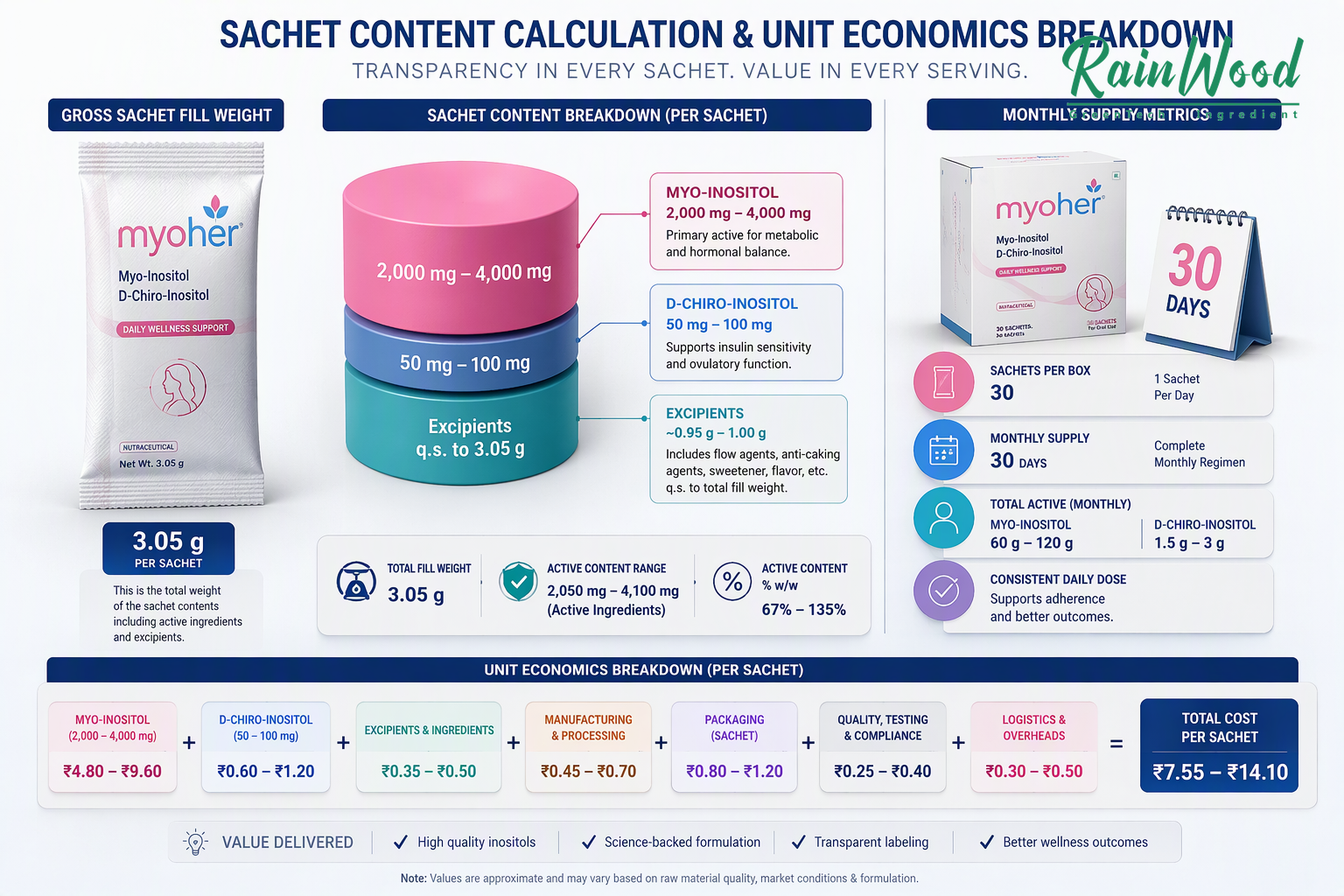
Figure 2: Technical Evaluation & Specification Architecture
A dose calculation worksheet
Record: active myo per sachet, active D-chiro per sachet, total net fill, premix potency, assay basis, sachets per serving, servings per day, sachets per box, days per box, boxes per month, raw-material input, packaging, and finished-product yield. Add the target market and claim review status.
Test the worksheet against the supplier's COA and the finished-product label. If the box, serving, or formula changes, rerun the calculation rather than editing one line in the artwork.
How RainwoodBio can support dose-to-format planning
RainwoodBio publishes requirement confirmation, sample development, process control, testing and release, and OEM powder stick-pack and capsule formats. These capabilities can help a brand compare one-stick, two-stick, capsule, and tablet concepts. Product-specific dose, equipment, package, and stability evidence still need to be confirmed.
Dose approval gate
Before approving the box, require:
- active milligrams per stick;
- ratio basis;
- serving and daily-use instruction;
- box days of supply;
- assay-adjusted input calculation;
- finished-unit assay and uniformity;
- package and in-use stability.
Request a dose and cost calculation with the draft formula, COAs, stick weight, box count, and target price.
Show the calculation to every project owner
Give procurement, formulation, packaging, sales, and customer-service teams the same dose worksheet. It should show active amount per sachet, daily amount, box days, assay adjustment, premix potency, and the basis of the ratio. A shared worksheet reduces the chance that one team sells “one month” while another team knows the box contains only 15 daily servings.
Recalculate after any change to assay, form, carrier, flavor, stick size, serving instruction, or box count. Save the version with the approved artwork and batch record. This is a small control that prevents a surprisingly large number of customer and margin problems.
Put a tolerance around the calculation
Define the acceptable variance for raw-material potency, net fill, active assay, and finished-unit dose. A calculation without a tolerance creates false precision. The buyer should know when a result requires confirmation, when a batch can be conditionally released, and when the label or formula must be corrected. Keep those decisions in the quality agreement rather than making them during a customer complaint.

Figure 3: cGMP Production Line & Rigorous Quality Control Process
Use the calculation to compare competing products
Normalize every competitor by active milligrams per day, not by sticks, box size, or ratio alone. This gives the sales team a factual comparison and reveals whether a lower-priced product actually contains less active material or a different serving schedule.
Check the serving against the physical stick size
The calculated active amount must fit the actual powder weight, flavor, carrier, and filling tolerance. If the stick becomes too large or too dusty, the formula may need a new format rather than a hidden reduction in active dose. Confirm this at pilot scale.
Frequently asked questions
Does one sachet always equal one serving?
No. The label must state the intended serving and daily use.
Should the ratio be calculated from raw powder weights?
Use active amounts for the product claim and label; use assay-adjusted input weights for manufacturing.
Does a larger sachet mean a higher dose?
Not necessarily. Excipients, flavor, and carriers can increase net fill.
Can the box count be changed without changing the formula?
The formula may remain the same, but days of supply, customer instructions, price, and label review change.
Conclusion
The real product is the active amount delivered in the daily serving, not the ratio printed on the box. Calculate myo-inositol, D-chiro-inositol, sachets, days of supply, and cost before you approve the package.
Disclaimer: This article is for B2B formulation and procurement information. It is not medical advice and does not establish that inositol products treat, prevent, or cure disease.
References
- https://pubmed.ncbi.nlm.nih.gov/38163998/
- https://pmc.ncbi.nlm.nih.gov/articles/PMC11309080
- https://www.rainwoodbio.com/oem
Partner with RainwoodBio for Verified Inositol Manufacturing
Whether you are developing 40:1 Myo to D-Chiro Inositol stick packs, standalone D-Chiro formulations, or prenatal specialty blends, RainwoodBio provides chiral-tested raw materials, cGMP custom packaging, and comprehensive regulatory documentation.
Table of Contents
- The box count does not tell you the daily dose
- Use active amounts not premix weight
- Calculate the monthly supply
- Assay adjustment changes raw-material purchasing
- The buyer loss from unclear dose math
- A dose calculation worksheet
- How RainwoodBio can support dose-to-format planning
- Dose approval gate
- Show the calculation to every project owner
- Put a tolerance around the calculation
- Use the calculation to compare competing products
- Check the serving against the physical stick size
- Frequently asked questions
- Conclusion
- References