 EN
Executive Summary: Regulatory and compliance guide for fertility and prenatal inositol supplements. Detailed analysis of heavy metals limits, microbial testing, folate co-factors, and defensible structure-function claims.
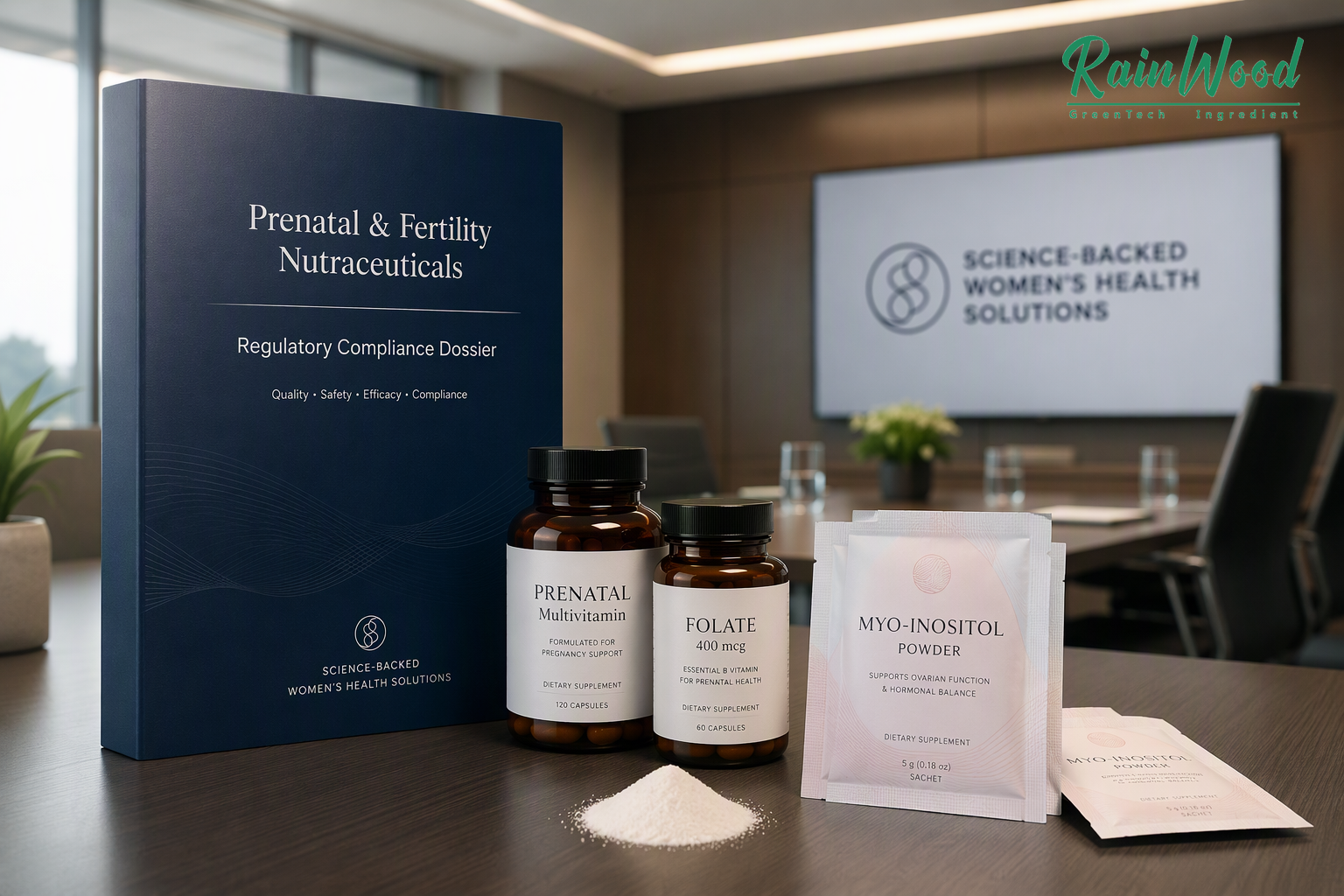
Figure 1: Fertility and Pregnancy Inositol Products Need a Different Compliance File - Professional B2B Manufacturing & Quality Standards
The same powder can create a very different compliance risk
An inositol sachet sold as a general wellness product and an inositol sachet marketed for fertility or pregnancy are not the same commercial project. The raw material may be identical, but the target consumer, wording, evidence expectations, warnings, and platform review can change sharply. A brand that copies a general supplement label into a fertility product may discover the problem only after the package is printed or a marketplace asks for substantiation.
This is why the fertility and pregnancy angle should be planned at the product-brief stage. The formula, serving, supporting nutrients, customer instructions, and claim language must be assessed together for the exact destination market.
Define the target consumer before the formula
“Trying to conceive,” “PCOS support,” “prenatal,” “pregnancy,” and “postpartum” are not interchangeable audiences. They can involve different expectations and different professional review. A product for adults seeking general cycle support should not quietly become a pregnancy product through an image of a pregnant customer or a testimonial about a clinical outcome.
Write the intended consumer and use period in the brief. Record whether the product is intended for preconception, pregnancy, or general wellness. Then decide which ingredients, serving directions, and warnings require a qualified review. The inositol claim evidence guide explains why the finished communication matters as much as the ingredient name.
Dose and combination need extra clarity
A ratio product should state the milligrams of myo-inositol and D-chiro-inositol per sachet and daily serving. If folate, choline, chromium, vitamins, herbs, or other nutrients are added, show their amounts and forms. Do not let a ratio or a proprietary blend hide the exact dose of a nutrient that matters to the target consumer.
The formula should also identify any use instructions that could change total daily intake. A customer taking two sachets may receive twice the amount shown in a one-sachet example. The buyer should review the serving size, box count, subscription directions, and customer-service script together.
Evidence must match the claim and population
The evidence base for inositol in PCOS and fertility is mixed and varies by intervention, population, endpoint, and study quality. A study of myo-inositol plus D-chiro-inositol in women with PCOS cannot automatically establish a pregnancy outcome for a different ratio or a multi-ingredient sachet. A mechanism about insulin signaling cannot be converted into a promise of conception or a healthy pregnancy.
For a B2B product file, record the study material, daily dose, duration, comparator, population, and endpoint. Mark whether the evidence is mechanistic, observational, randomized, or a guideline statement. Keep the claim narrower than the strongest marketing interpretation.
The buyer loss from a casual pregnancy position
Claims aimed at people who are pregnant or trying to conceive can attract intense scrutiny from consumers, clinicians, retailers, platforms, and regulators. A product may be delisted, advertising may be rejected, or the brand may need to recall packaging that implies a medical or prenatal function. The reputation loss is especially serious because the audience expects careful communication.
The supply chain also becomes more demanding. Importers may request additional ingredient documentation, allergen and contaminant statements, stability data, and professional review. If the supplier cannot provide a coherent dossier, the brand may have to pause the launch.
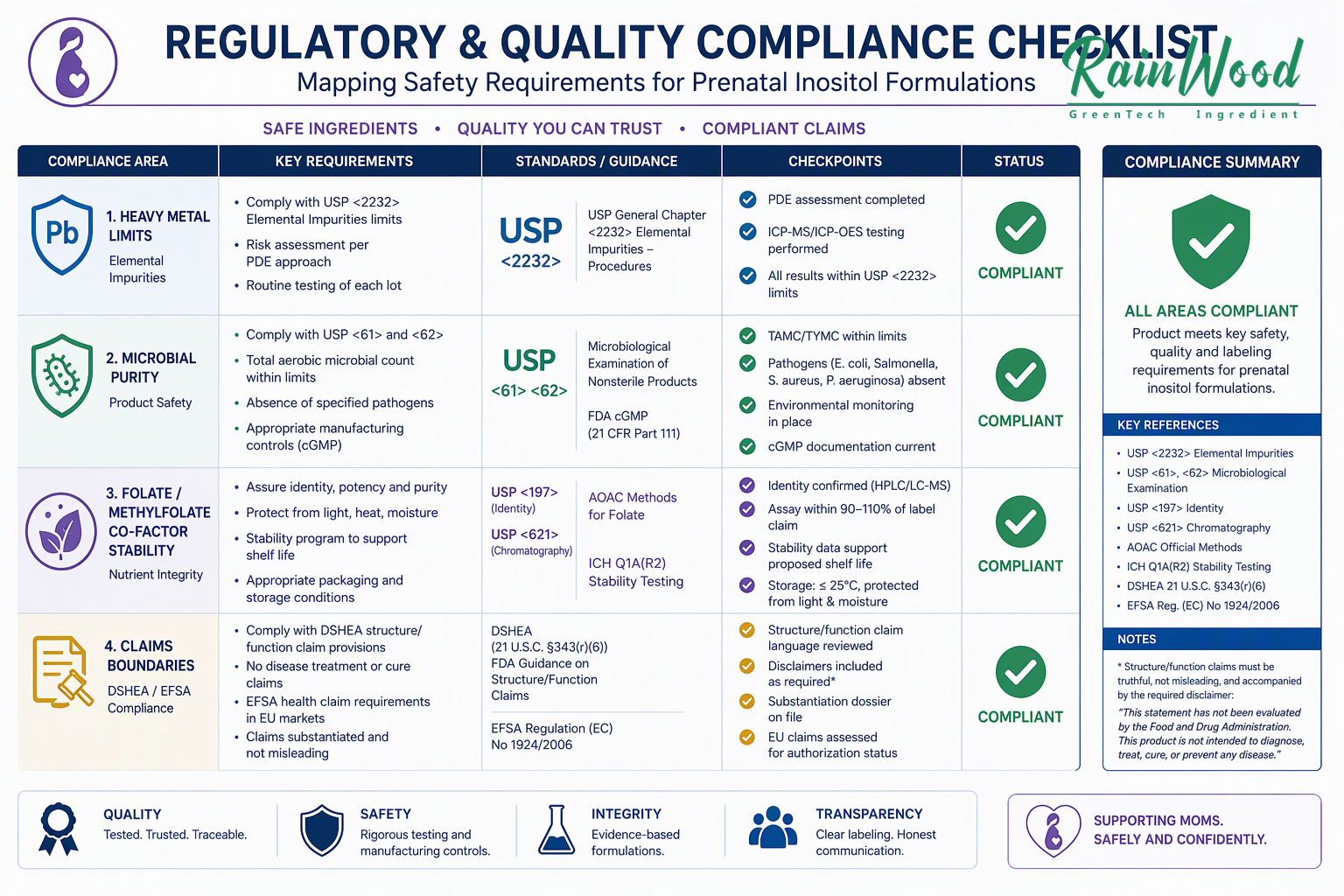
Figure 2: Technical Evaluation & Specification Architecture
Build a market-specific document set
Start with the target country and legal category. Confirm ingredient status, permitted claims, language, responsible party, serving statement, warning wording, and required notifications or records. A US dietary-supplement label, an EU food-supplement file, and an Amazon listing may share core data but are not identical.
Add exact identity and lot evidence. The file should include the myo and D-chiro forms, COAs, specifications, manufacturing and packaging records, stability, finished-unit testing, and change-control process. The inositol market dossier guide describes how to organize these documents.
How RainwoodBio can support the project
RainwoodBio publishes compliance assessment, requirement confirmation, raw-material supplier management, production and process control, testing and release, product registration and compliance documentation, and OEM formats including powder stick packs and capsules. These capabilities are relevant to a market-sensitive inositol project. They do not replace destination-market regulatory review or prove a pregnancy claim for a specific product.
Fertility and pregnancy approval gate
Before printing or listing, confirm:
- exact target consumer and use period;
- active forms and milligrams per serving;
- claim-to-evidence matrix;
- target-market label and warning review;
- finished-product stability and testing;
- supplier change-control and complaint process;
- professional review for pregnancy-related wording.
Request a fertility Product Dossier Review and provide the target country, draft label, formula, serving, evidence, and sales channel.
Add a professional-review checkpoint
Before the label or product page is released, send the exact formula, serving, target consumer, claims, warnings, and evidence file to the qualified reviewer responsible for the market. Ask the reviewer to assess the complete communication, including imagery, testimonials, influencer language, and search terms. Do not review only the Supplement Facts panel.
Keep a written decision record. If the formula, package, serving, supplier, or target market changes, reopen the review. This protects the brand when a sales team later adds a phrase such as “for conception” or “during pregnancy” that was not part of the approved claim set.
Control customer instructions as part of the label
Review serving timing, number of sticks, mixing directions, storage after opening, and advice about professional consultation. A customer may interpret a daily-use instruction as a medical protocol if the surrounding product page is aggressive. Clear, neutral instructions help prevent the use message from becoming a hidden claim.
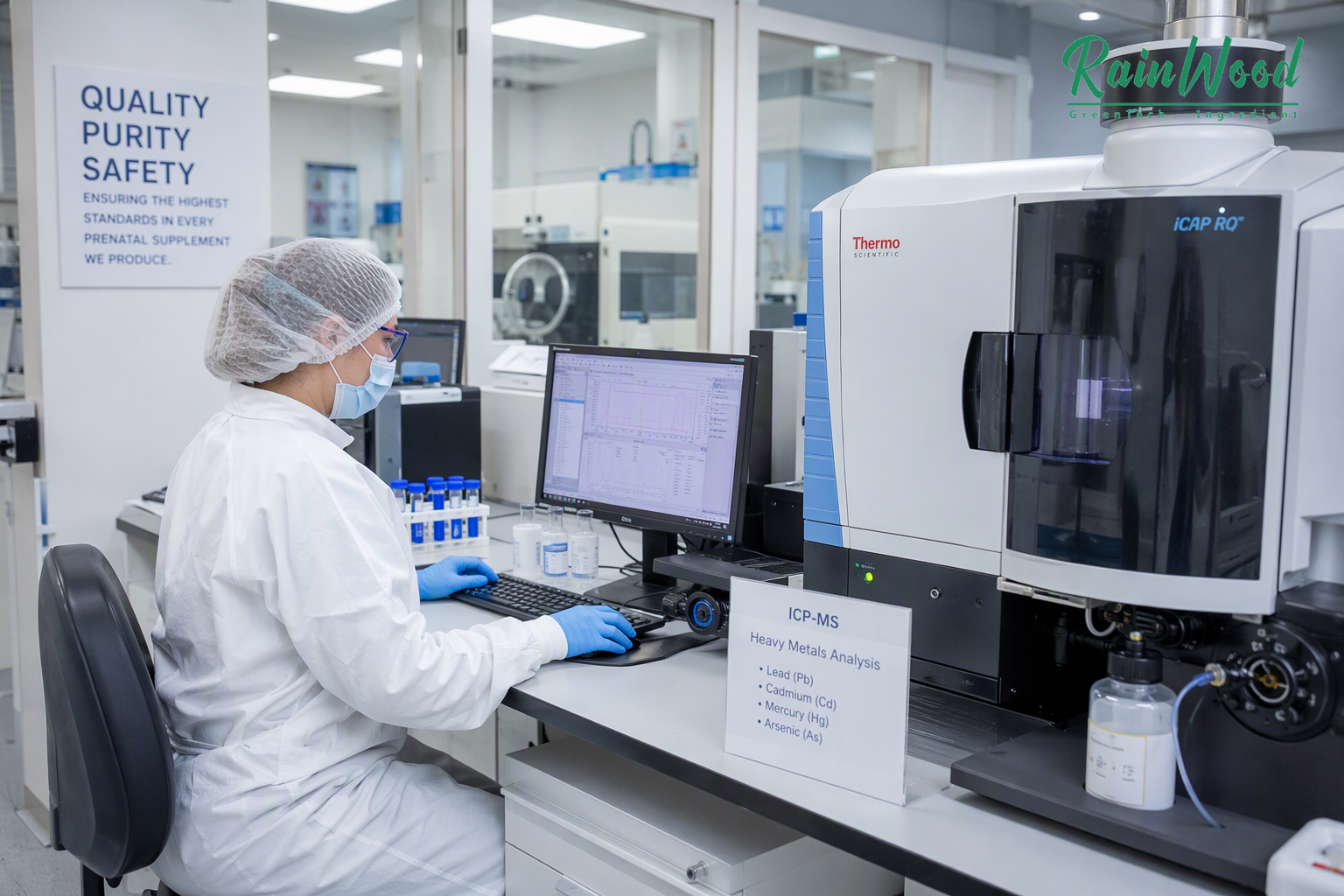
Figure 3: cGMP Production Line & Rigorous Quality Control Process
Keep the product file current after launch
Monitor customer questions, retailer feedback, adverse-event reports, and claim edits. A new testimonial or influencer phrase can change the perceived claim even when the label is unchanged. Add those communications to the review process so the product remains aligned with its approved audience and evidence.
Frequently asked questions
Can a general inositol product be marketed for pregnancy later?
Not without a new review. The consumer, claims, warnings, formula, and market requirements may change.
Can PCOS evidence support a fertility claim?
Not automatically. The evidence must match the exact material, dose, population, endpoint, and wording.
Should a supplier write the pregnancy claims?
The supplier can provide technical information, but the brand needs qualified regulatory and medical review for its market-facing claims.
Does a “natural” label reduce the compliance burden?
No. Naturalness does not establish safety, efficacy, permitted use, or correct labeling.
Conclusion
Fertility and pregnancy-positioned inositol products need a more disciplined file than a generic wellness powder. Define the audience, dose, evidence, market, warnings, and finished product before the commercial story goes live.
Disclaimer: This article is general educational information and is not medical, pregnancy, or legal advice. It does not establish that inositol treats, prevents, or cures infertility, PCOS, pregnancy complications, or any disease.
References
- https://pubmed.ncbi.nlm.nih.gov/38163998/
- https://pubmed.ncbi.nlm.nih.gov/28544572/
- https://www.fda.gov/food/dietary-supplements-guidance-documents-regulatory-information/dietary-supplement-labeling-guide
- https://www.rainwoodbio.com/oem
Partner with RainwoodBio for Verified Inositol Manufacturing
Whether you are developing 40:1 Myo to D-Chiro Inositol stick packs, standalone D-Chiro formulations, or prenatal specialty blends, RainwoodBio provides chiral-tested raw materials, cGMP custom packaging, and comprehensive regulatory documentation.
Table of Contents
- The same powder can create a very different compliance risk
- Define the target consumer before the formula
- Dose and combination need extra clarity
- Evidence must match the claim and population
- The buyer loss from a casual pregnancy position
- Build a market-specific document set
- How RainwoodBio can support the project
- Fertility and pregnancy approval gate
- Add a professional-review checkpoint
- Control customer instructions as part of the label
- Keep the product file current after launch
- Frequently asked questions
- Conclusion
- References