 EN

Executive Summary: B2B formulation comparison between standalone D-Chiro-Inositol and 40:1 Myo+D-Chiro Inositol blends. Analyze target buyer profiles, specification requirements, and contract manufacturing strategies.
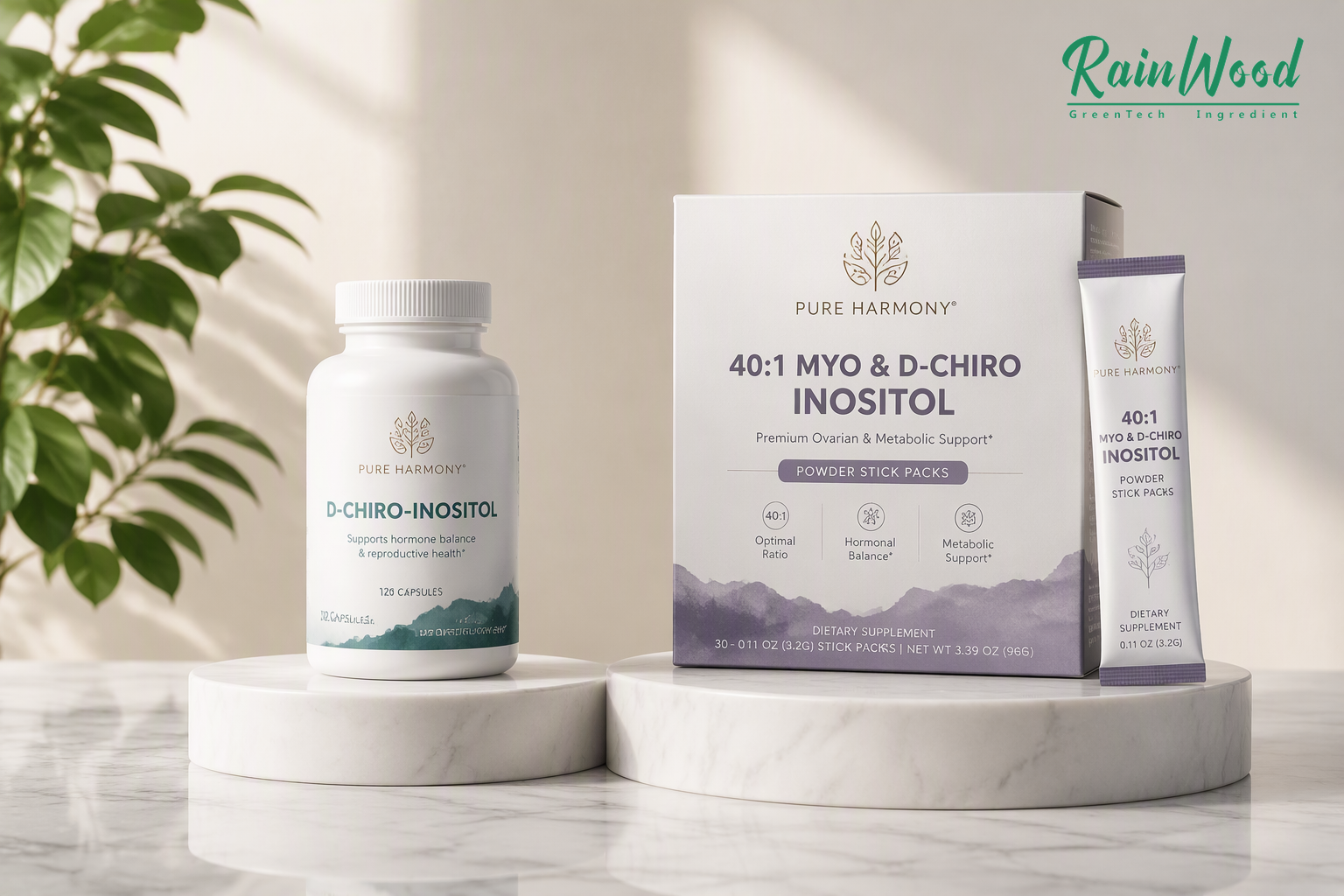
Figure 1: D-Chiro-Inositol Alone or Myo plus D-Chiro? Build the Product Around the Buyer - Professional B2B Manufacturing & Quality Standards
The ingredient choice should follow the product brief
A brand sees a popular 40:1 myo-inositol and D-chiro-inositol sachet and assumes every inositol product should use the same design. Another brand sees a low-cost D-chiro-inositol capsule and assumes a single ingredient is automatically simpler. Both decisions can be wrong because the right formula depends on the buyer, target market, serving, format, evidence, and claim strategy.
Single-form D-chiro-inositol, single-form myo-inositol, and combined products are distinct commercial products. They should not be positioned as interchangeable versions of one idea. The formula must be built from a precise product brief rather than copied from a competitor's front panel.
Single-form D-chiro-inositol has a different specification burden
A D-chiro-inositol-only product needs clear identity, stereochemical evidence, assay, related-form control, and a dose that can be delivered consistently in the chosen format. The label should not borrow a study about a combination formula without explaining the difference. The D-chiro-inositol identity testing guide explains why the specific isomer must stay visible.
The commercial advantage may be a simpler ingredient list or a lower total powder weight. The commercial risk may be a narrower customer explanation and a greater need to review the target-market claim. The buyer should decide whether the product is intended for a general wellness audience, a practitioner channel, or a market using a specific reproductive-health position.
Myo plus D-chiro formulas create ratio and uniformity work
A combined product can give the brand a more recognizable formula story, but it introduces ratio math, low-dose component control, blend uniformity, and a larger total serving. A 40:1 design may require a sachet or multiple capsules. A different ratio changes the product and must be assessed as a new formula.
The supplier should show active milligrams, not only the ratio. It should also define premix design, mixing order, sampling, and finished-unit release. The inositol blend uniformity guide focuses on the risk created by the lower-percentage D-chiro component.
Match the formula to the buyer's decision
For an Amazon brand, convenience and clear label math may be more important than a long ingredient panel. For a practitioner-focused brand, the evidence file and exact form may matter more than a dramatic front-panel phrase. For an importer, lot documentation, traceability, and shelf life may determine the purchase. For an OEM buyer, the key question may be whether the supplier can make the ratio reliably at the intended MOQ.
Write one product promise for one buyer. Do not combine “daily wellness,” “fertility support,” “hormone balance,” and “metabolic health” into one undifferentiated formula without a claim review. The 2024 systematic review informing the PCOS guideline update found evidence varied by intervention and outcome and described overall certainty as limited. This is a reason to build a precise claim file, not to remove all technical detail.
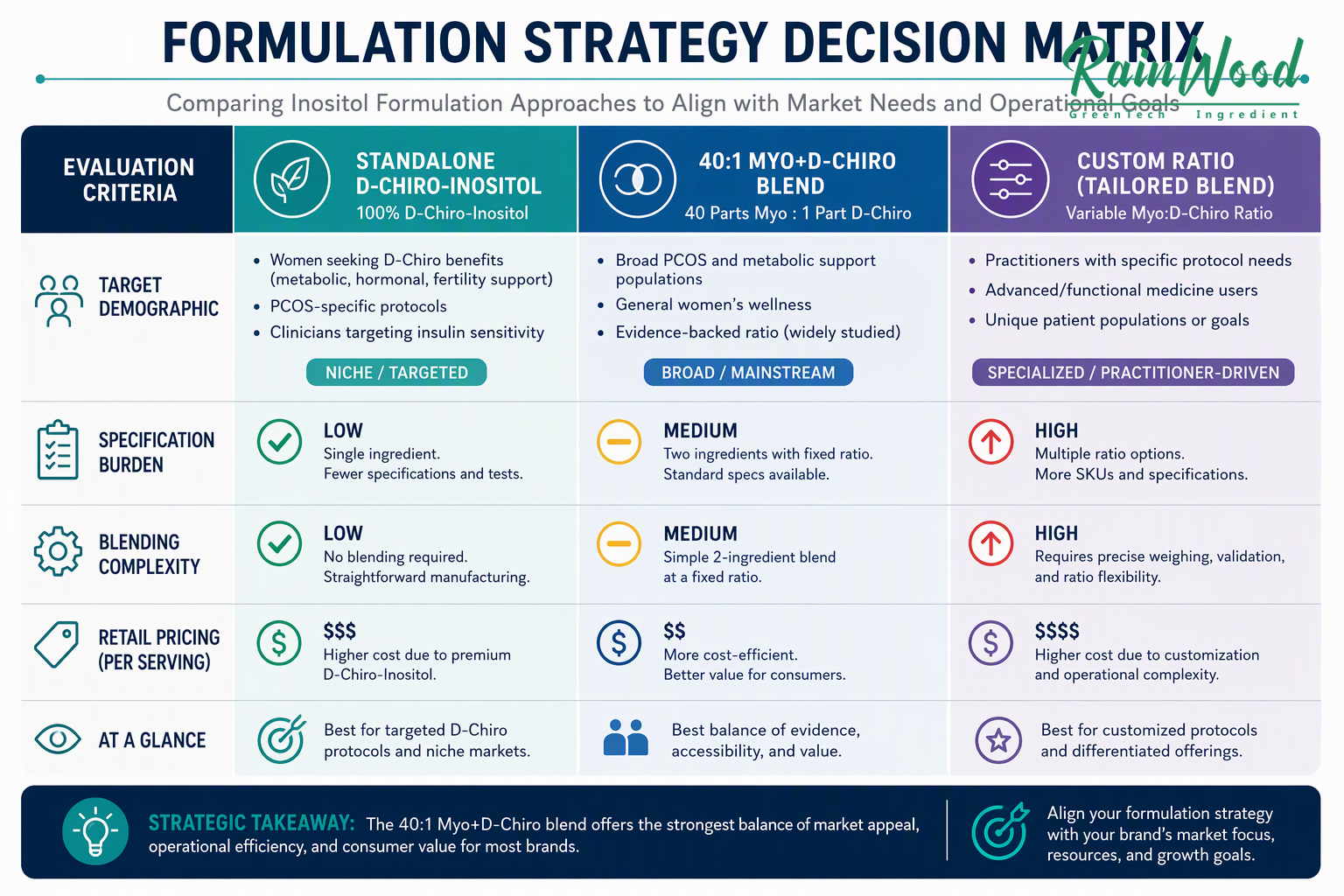
Figure 2: Technical Evaluation & Specification Architecture
Dose, format, and cost move together
Single-form D-chiro-inositol may fit capsules more easily than a gram-level myo-inositol serving. A combination product may be more practical in powder sachets, but flavor and moisture controls become important. Calculate active amount, units per serving, package count, filling yield, and monthly cost before approving a design.
If the product uses a premix, distinguish the active amount from the carrier weight. If the formula adds folate, chromium, or another nutrient, review its effect on capsule capacity, taste, stability, and claims. The inositol format comparison provides a format-selection framework.
The buyer loss from copying a competitor
Copying a ratio or serving from a popular product may create a formula that does not fit the brand's price, target market, or evidence. The brand may also copy a claim that depends on a branded ingredient, a specific study, or a regulatory context it does not have. Once the product is printed and listed, changing the formula is expensive.
Use the competitor product as market language only. Verify every active amount, form, claim, and package against your own specification. A popular sachet is not proof that the same design will perform in your supply chain.
How RainwoodBio can support formula selection
RainwoodBio publishes requirement confirmation, sample development, raw-material supplier management, production process control, quality testing and release, and OEM formats including capsules, powder stick packs, and tablets. These capabilities are relevant when a brand wants to compare single-form and combination products before committing to packaging. Product-specific formula, testing, stability, and market evidence still need to be confirmed.
Formula approval gate
Ask:
- Who is the exact buyer for this formula?
- Is the product single-form or a combination, and why?
- What are the active milligrams per serving?
- Does the format handle the total dose?
- What evidence supports the chosen claim?
- What test proves each active and the final unit?
Request a formula feasibility review and send the target buyer, market, serving, format, and draft label.
Use a product brief to prevent formula drift
Write the reason for choosing single-form D-chiro-inositol or a combination in one sentence. Add the target buyer, intended use, daily amount, format, claim boundary, and required evidence. If a supplier proposes a different form or ratio, compare it against this brief before accepting a lower cost or faster lead time.
The brief should travel with the sample and purchase order. It prevents a salesperson from describing a single-form product as a “40:1 system,” and it prevents a copywriter from using combination evidence for a D-chiro-only SKU. A clear brief also makes supplier switching easier because the next supplier receives a defined target instead of a vague category name.

Figure 3: cGMP Production Line & Rigorous Quality Control Process
Do not let the channel choose the formula by accident
An Amazon trend, a distributor request, or a low-cost raw material can influence the idea, but the product brief should still control the decision. Confirm the buyer's desired serving, evidence, package, and claim before changing from single-form to combined inositol. A channel-specific version may be worthwhile, but it should be treated as a defined SKU with its own specification and review.
Frequently asked questions
Is a combination formula always more premium?
No. It may offer a clear product concept but also adds ratio, uniformity, and evidence requirements.
Is single-form D-chiro-inositol easier to manufacture?
It may simplify blend math, but identity, assay, stability, and claim review remain important.
Can a brand use the same claim for both formulas?
Not automatically. The form, dose, evidence, and market communication must match.
Should the buyer start with a competitor's ratio?
Use competitor research to understand market language, then build an independent specification and evidence file.
Conclusion
Choose single-form or combined inositol according to the buyer, dose, format, evidence, and market—not because one ratio is currently popular. A clear product brief makes the supplier and the final label easier to qualify.
Disclaimer: This article is for B2B formulation and procurement planning. It is not medical advice and does not establish that inositol products treat, prevent, or cure disease.
References
- https://pubmed.ncbi.nlm.nih.gov/38163998/
- https://pmc.ncbi.nlm.nih.gov/articles/PMC11309080
- https://www.fda.gov/food/dietary-supplements-guidance-documents-regulatory-information/dietary-supplement-labeling-guide
- https://www.rainwoodbio.com/oem
Partner with RainwoodBio for Verified Inositol Manufacturing
Whether you are developing 40:1 Myo to D-Chiro Inositol stick packs, standalone D-Chiro formulations, or prenatal specialty blends, RainwoodBio provides chiral-tested raw materials, cGMP custom packaging, and comprehensive regulatory documentation.
Table of Contents
- The ingredient choice should follow the product brief
- Single-form D-chiro-inositol has a different specification burden
- Myo plus D-chiro formulas create ratio and uniformity work
- Match the formula to the buyer's decision
- Dose, format, and cost move together
- The buyer loss from copying a competitor
- How RainwoodBio can support formula selection
- Formula approval gate
- Use a product brief to prevent formula drift
- Do not let the channel choose the formula by accident
- Frequently asked questions
- Conclusion
- References