 EN

Executive Summary & Buyer Guidance
A buyer guide to assay, stereoisomer ratio, moisture, and finished-unit evidence when a supplier quotes 99% inositol.
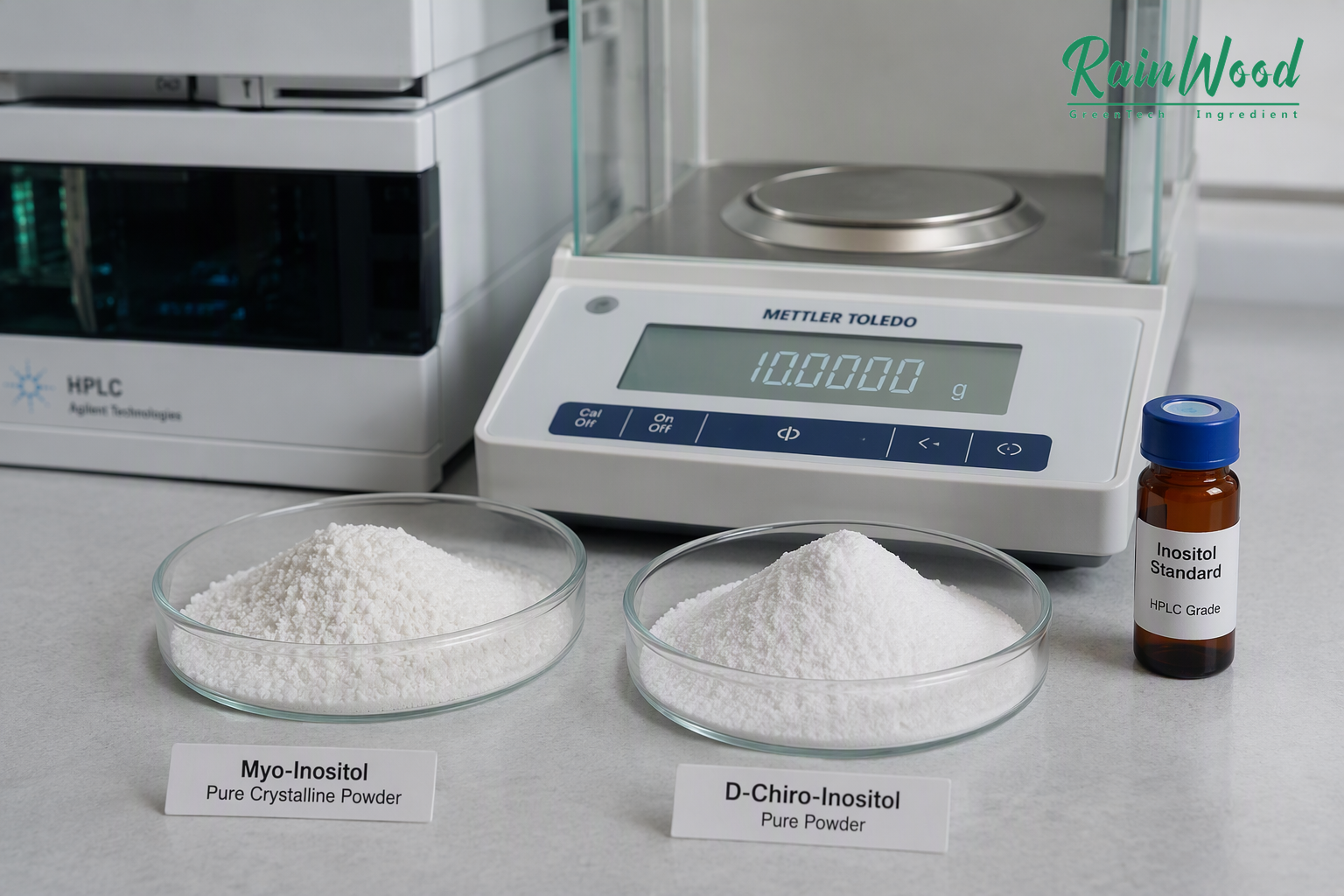
Figure 1: Analytical Comparison of Pure Myo-Inositol and D-Chiro-Inositol Active Pharmaceutical Ingredients
The number looks precise but the product may still be undefined
“Inositol 99%” is a strong line on a quotation. It suggests a clean, premium ingredient and gives the buyer an easy number for comparison. But if the formula is marketed as myo-inositol plus D-chiro-inositol, 99% total inositol is only one part of the specification. It does not tell you how much is myo, how much is D-chiro, whether the ratio is consistent, or whether the assay method distinguishes the two.
This is not an argument against high-assay material. It is an argument for asking the right question. A brand paying for a 40:1 ratio needs separate identity and amount controls for both components. A brand selling pure myo-inositol needs evidence that the material is the intended form. A total assay can support those decisions only when the method and calculation are appropriate.
What can be hidden behind a total assay
The remaining percentage may include water, residual solvents, salts, process-related compounds, other inositol forms, or analytical uncertainty. The exact possibilities depend on the production route and specification. A supplier should identify which attributes are controlled and which require additional testing.
The result may also be reported on an as-is or dry basis. Two suppliers can quote the same “99%” number while using different calculation bases. If the material is used in a high-dose sachet, water changes both the active amount per unit and the powder behavior. The inositol COA identity and assay guide explains why basis and method matter.
Why the ratio needs separate reporting
Suppose a blend is labeled 40:1. If the supplier reports only total inositol, the buyer cannot confirm whether the D-chiro-inositol component is present at the intended amount. A high total assay could be achieved with mostly myo-inositol and still miss the D-chiro target. A low-level D-chiro result can be distorted by sampling, extraction, or a method that is not specific enough.
The formula should therefore show myo-inositol active amount, D-chiro-inositol active amount, total blend weight, and ratio. The release plan should test both forms where the product claim depends on both. The inositol sachet dose guide turns this information into a per-stick calculation.
The buyer loss from treating 99% as a complete specification
The brand can pay for a premium blend that does not deliver the advertised ratio. Finished sachets may pass a generic assay but fail a targeted review. The production team may discover that the powder has a different density or moisture profile from the pilot, changing fill weight and the number of units per box.
A weak specification also weakens supplier switching. If the original purchase order records only “inositol 99%,” a new supplier can provide a different form and still claim equivalence. The brand then has to repeat formulation, stability, label, and market review at its own cost.
A better specification table
Use separate lines for exact form, identity, individual assay, total assay, ratio, water, residual solvents or metals where relevant, microbiological attributes where relevant, appearance, particle properties, package, storage, and shelf life. State the basis for each result. For a blend, specify whether the ratio is by active weight and how assay adjustment is calculated.
Request representative chromatograms or reports when a low-level D-chiro-inositol component is critical. Review the sample plan and the number of units tested. If the finished product is a flavored stick pack, confirm that the method is suitable for the final matrix rather than copying the raw-material method.
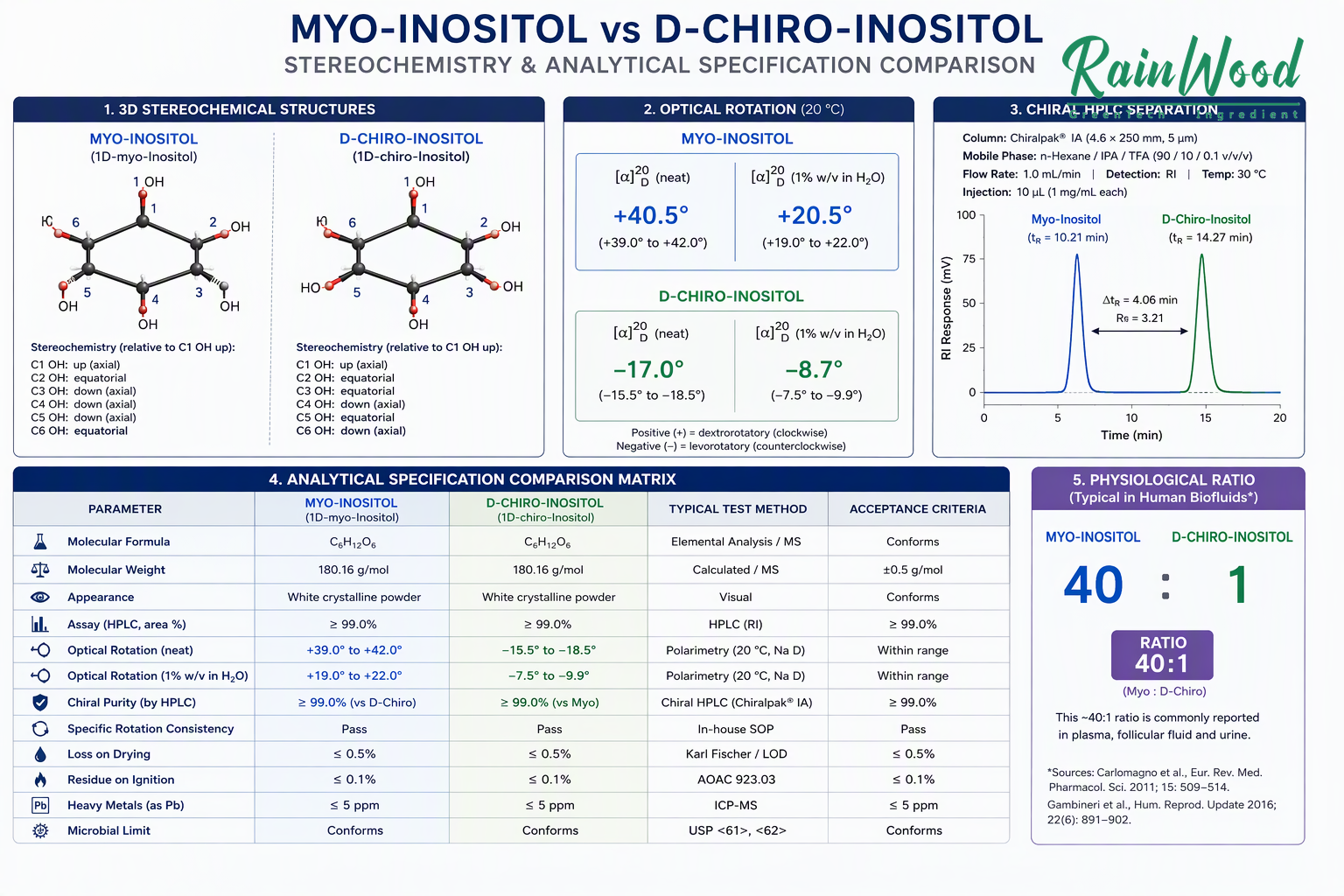
Figure 2: 3D Stereochemical Isomer Structure and Chiral HPLC Chromatography Separation Matrix
How RainwoodBio can support specification discipline
RainwoodBio publishes requirement confirmation, raw-material supplier management, process control, testing and release, compliance documentation, and traceability. Those capabilities are relevant when a brand wants the specification to follow the material from source to finished sachet or capsule. The project still needs product-specific evidence for the selected forms, limits, methods, and lot.
99% approval gate
Before approval, ask:
- What exactly is 99% measuring?
- Which forms are included in the result?
- Is the result as-is or dry basis?
- Are myo-inositol and D-chiro-inositol reported separately?
- Does the ratio remain within limits after blending and filling?
- What happens when the supplier changes source or method?
Request an inositol Specification Comparison and provide the competing COAs, formula, and target format.
Ask what the number leaves out
Before accepting the 99% result, ask the supplier to map the remaining percentage to the quality risks relevant to the product. Is water measured separately? Are related stereoisomers separated? Are residual solvents, salts, carriers, or process aids controlled? The answer does not need to reveal confidential chemistry, but it should be specific enough for the buyer to set release limits.
Also compare the specification with the label. If the label names myo-inositol, the identity method should support myo-inositol. If the product is a 40:1 blend, the release file should show the two active amounts. If the product is a sachet, the finished-unit plan should not stop at a bulk assay. This is where a high headline number becomes a useful procurement document instead of a sales shortcut.
Make the total assay useful for the final product
Total assay is still useful when it is placed beside the right controls. Use it to trend supplier lots, identify a sudden process change, and compare the active mass available for a formula. Pair that trend with individual-form identity and water so the quality team can distinguish a real change from a calculation difference. This gives procurement a clear reason to keep the number while refusing to treat it as the whole specification.
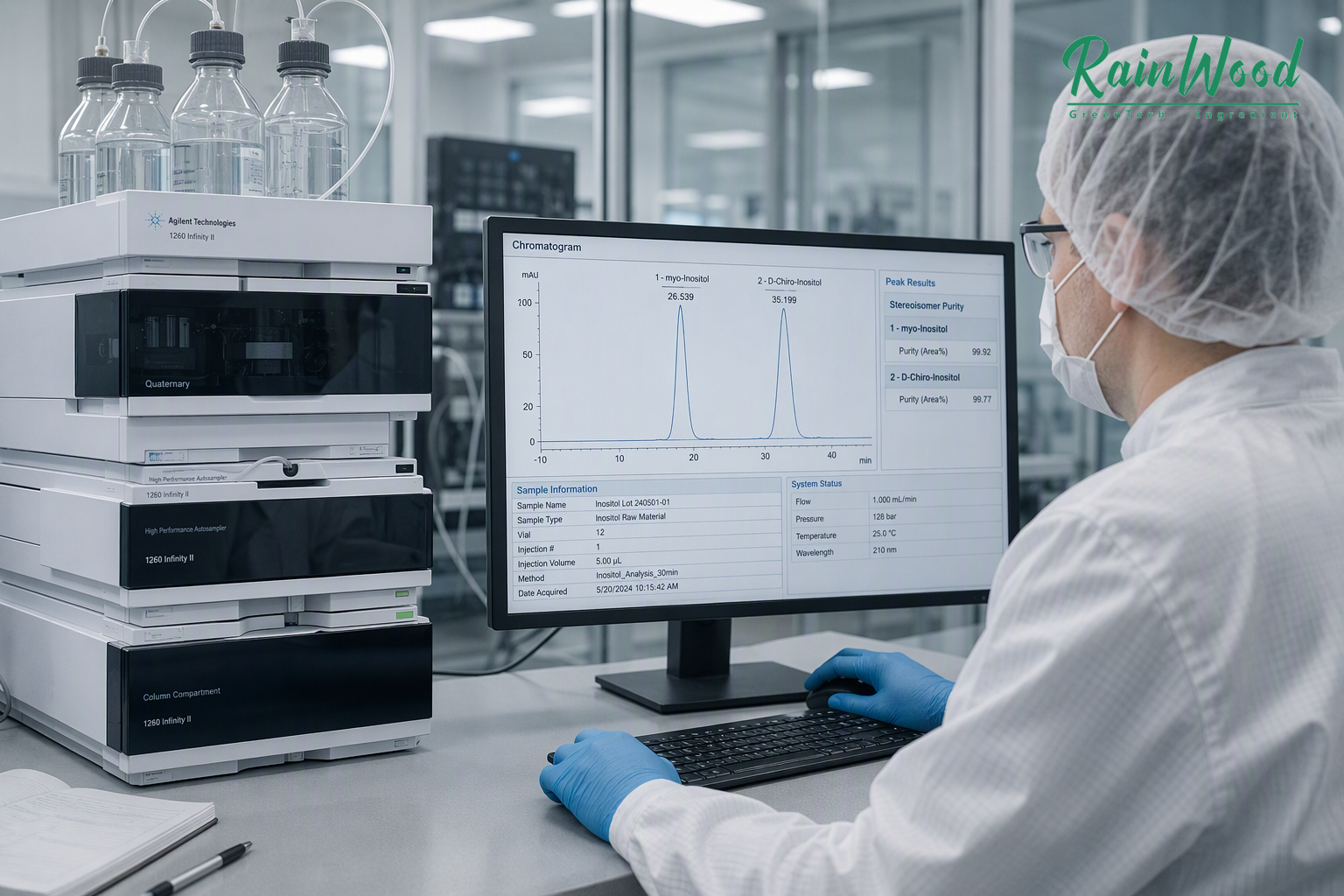
Figure 3: High-Resolution HPLC Stereoisomer Peak Testing and Ratio Verification in cGMP Testing Laboratory
A clear number improves the sales conversation
When the brand publishes separate active amounts, buyers can compare products, calculate cost per serving, and ask better questions. That transparency is not a weakness; it signals control. Keep the total assay as supporting evidence while making the exact form and ratio the primary decision points.
Frequently asked questions
Is 99% inositol good enough for a single-form product?
It may be suitable, but the buyer still needs exact identity, method, basis, impurities, and lot evidence.
Does a high total assay prove the 40:1 ratio?
No. The two components must be identified and quantified separately or by a method that directly proves the ratio.
Can water explain a lower active amount?
It can affect the calculation and powder behavior. The specification should state the assay basis and water limit.
Should the finished sachet be tested separately?
Yes, when the label and claim depend on the amount and ratio delivered in each unit.
Conclusion
Treat “99% inositol” as an opening question, not a final purchasing decision. Lock the exact form, ratio, basis, method, and finished-unit evidence before you compare suppliers or print packaging.
Disclaimer: This article is for B2B procurement and educational purposes. It is not medical advice and does not establish that inositol or D-chiro-inositol treats, prevents, or cures disease.
References
- https://pubmed.ncbi.nlm.nih.gov/38163998/
- https://pmc.ncbi.nlm.nih.gov/articles/PMC11309080
- https://www.fda.gov/food/dietary-supplements-guidance-documents-regulatory-information/dietary-supplement-labeling-guide
- https://www.rainwoodbio.com/
Explore RainwoodBio Inositol & Custom Formulation Capabilities
- Custom Powder Stick Packs & Single-Serve Sachets – High-speed automated stick pack packaging for 40:1 Myo/D-Chiro Inositol formulas with nitrogen flush.
- Custom Hard Capsules & Veggie Encapsulation – Precision cGMP encapsulation for high-potency inositol blends with folates and co-factors.
- OEM / ODM Contract Manufacturing Services – End-to-end formulation development, pilot batch scaling, and global regulatory compliance dossiers.
- Contact RainwoodBio Technical Sales – Request CoA, stereoisomer testing protocols, pilot samples, or commercial quotation.
Ready to Formulate Your Myo & D-Chiro Inositol Product?
RainwoodBio provides cGMP-certified Myo-Inositol and D-Chiro-Inositol raw materials, verified 40:1 ratio stick pack packaging, and full regulatory documentation for US, EU, and global market entry.
Request CoA, Samples & QuoteTable of Contents
- The number looks precise but the product may still be undefined
- What can be hidden behind a total assay
- Why the ratio needs separate reporting
- The buyer loss from treating 99% as a complete specification
- A better specification table
- How RainwoodBio can support specification discipline
- 99% approval gate
- Ask what the number leaves out
- Make the total assay useful for the final product
- A clear number improves the sales conversation
- Frequently asked questions
- Conclusion
- References