 EN
EN

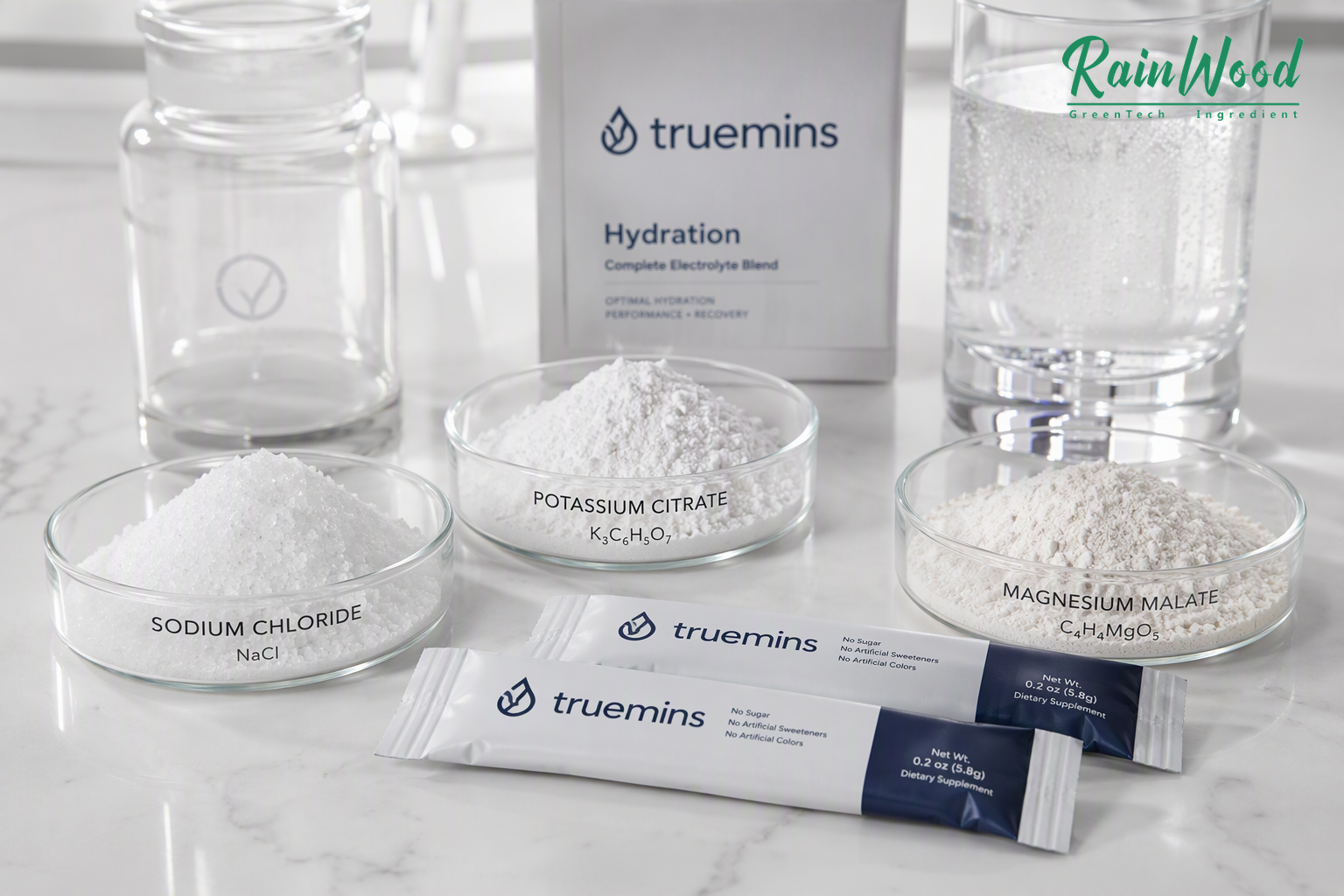
Meta Title: Elemental Mineral Math in Electrolyte Stick Packs
Meta Description: Raw mineral salt mass does not equal elemental mineral yield. Master the molecular math behind sodium, potassium, and magnesium stick packs.
One of the most frequent formulation and label compliance errors in sports hydration occurs when brand teams confuse raw mineral compound mass with elemental mineral yield. A product developer might weigh out 1,000 mg of sodium citrate into a stick pack and assume the Supplement Facts panel can declare “1,000 mg Sodium.” Under FDA and international labeling regulations, that claim is non-compliant and factually inaccurate.
Mineral ions in dietary supplements are bound to counter-ions—such as chloride, citrate, malate, or glycinate. Understanding the exact stoichiometric conversion factor for each mineral salt is essential for accurate Supplement Facts panels, optimal powder volume engineering, and taste balance in single-serve stick packs.
Sodium: Sodium Chloride vs Trisodium Citrate
Sodium chloride (NaCl) contains approximately 39.3% elemental sodium by weight, whereas Trisodium Citrate Dihydrate yields only about 23.5% elemental sodium. Achieving a 500 mg elemental sodium target requires ~1,270 mg of sodium chloride, but ~2,130 mg of sodium citrate—adding nearly a gram of extra raw powder to each packet.
Use our mineral formulation and powder bulk calculator Creatine Electrolyte Stick Pack OEM Services to balance elemental sodium delivery with package web width.
Potassium: Potassium Chloride vs Potassium Citrate
Potassium Chloride (KCl) delivers ~52.4% elemental potassium, while Potassium Citrate Monohydrate delivers ~38.3%. While potassium chloride is more mass-efficient, potassium citrate provides a smoother taste profile and acts as an alkalizing agent in acidic sports drink blends.
Read our electrolyte taste-masking guide contact us for OEM consultation to optimize high-potassium stick pack drink mixes.
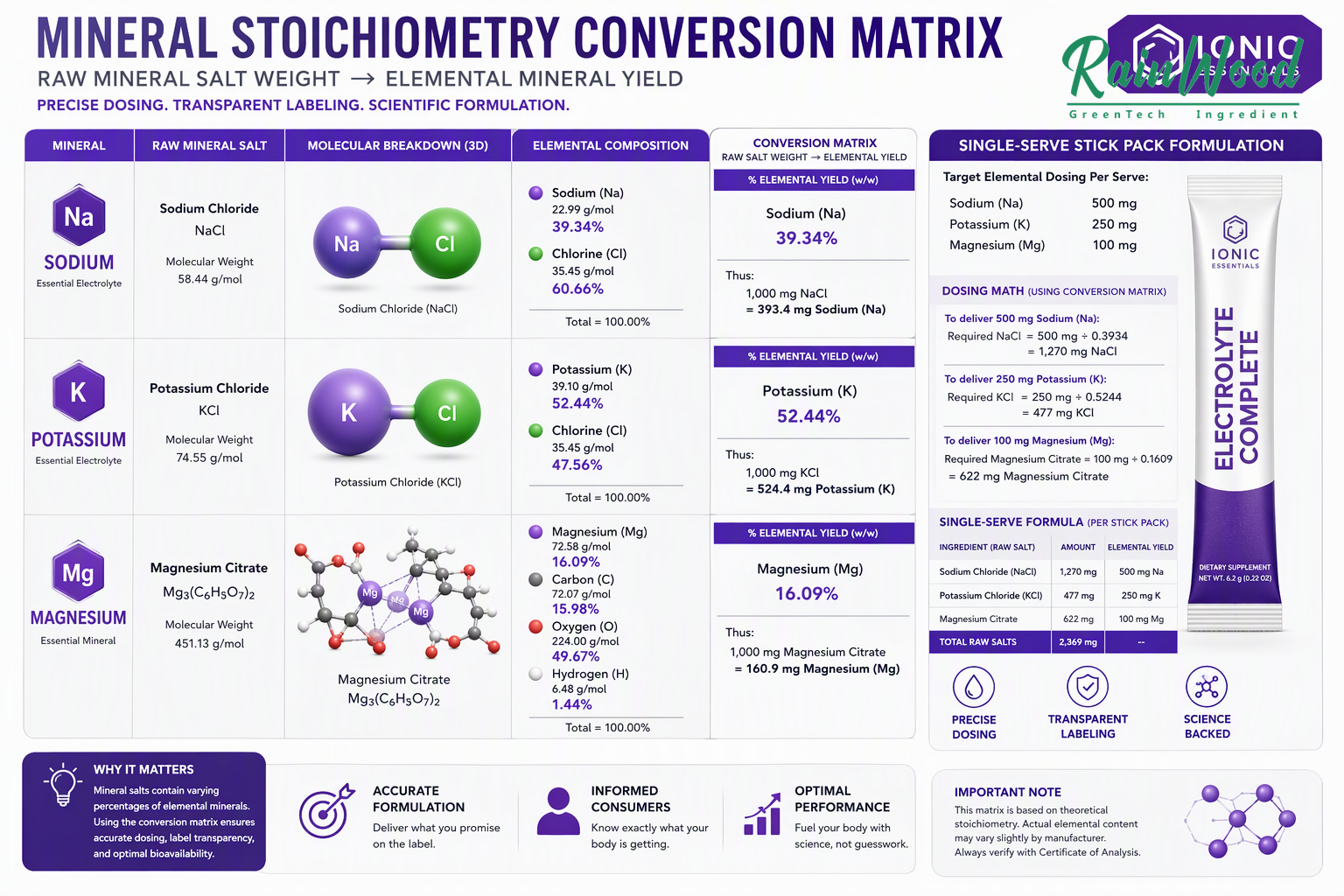
Figure 1: Mineral Salt Stoichiometry — Compound Mass vs Elemental Active Yield (%) for Stick Pack Dosing.
Mineral salt stoichiometry conversion reference
How RainwoodBio validates mineral assay via ICP-OES
Because mineral salts can absorb ambient moisture or vary in crystal hydration states, RainwoodBio verifies finished stick pack batches using Inductively Coupled Plasma Optical Emission Spectrometry (ICP-OES). This ensures that the elemental mineral values on your Supplement Facts box match the chemical content in every customer stick.
Request a mineral stoichiometry and testing review RainwoodBio format development review to ensure your label math is 100% audit-proof.
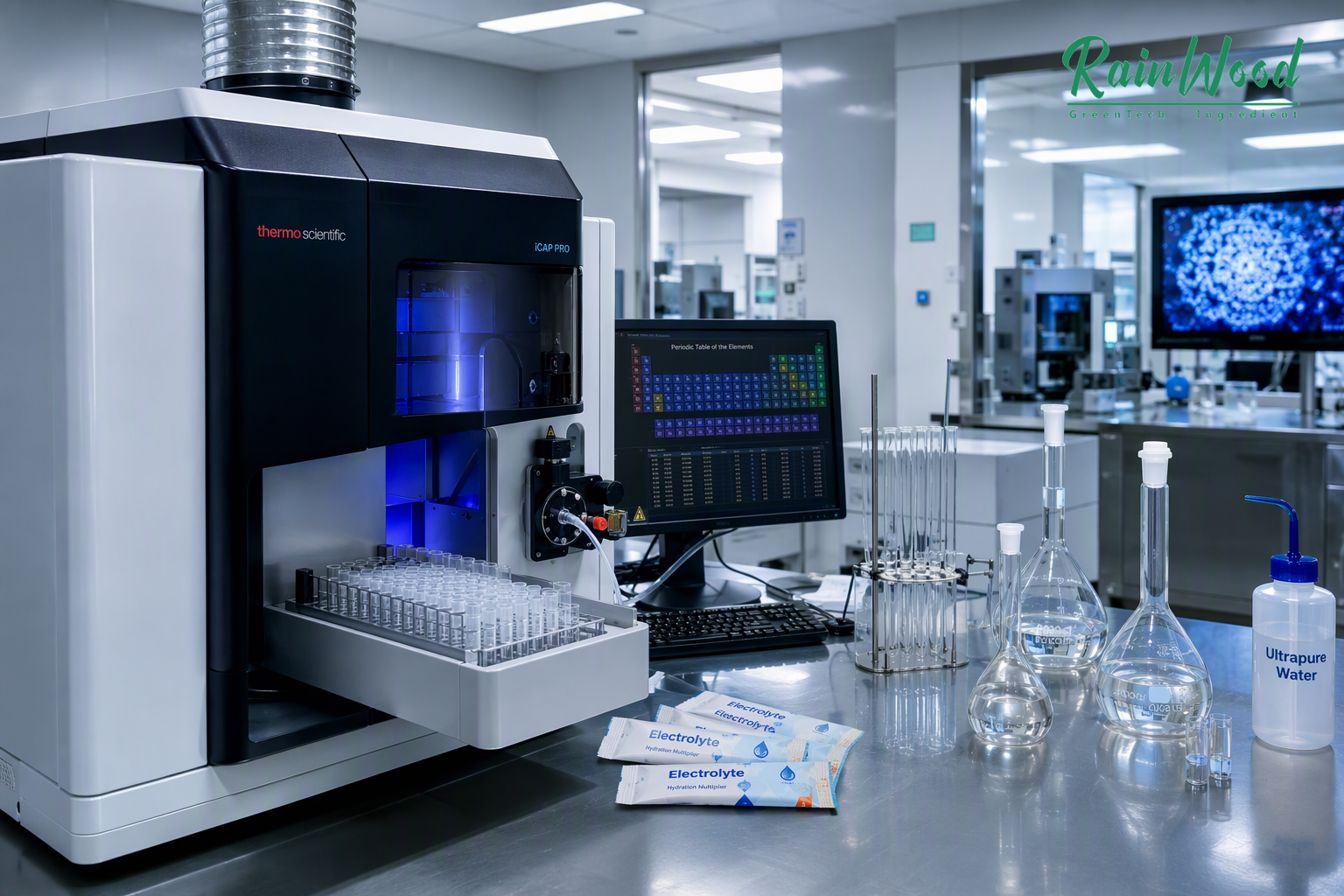
Figure 2: Analytical Release Control — ICP-OES Spectrometric Elemental Mineral Verification in Electrolyte Blends.
The mineral math approval checklist
- Supplement Facts panel specifies elemental mineral amounts, not raw salt compound weights;
- Batch batch sheet includes moisture and hydration state corrections;
- Stick pack fill weight is designed with adequate headspace for fast volumetric dosing;
- ICP-OES finished batch analytical results conform to label claims within 100–120% release limits.
Submit your formulation draft for a mineral math and packaging review contact RainwoodBio for formula and packaging review.
Frequently asked questions
You can mention the compound in marketing copy, but the mandatory Supplement Facts box must clearly declare 'Magnesium (as magnesium malate) 150 mg'.
Organic magnesium salts (citrate, malate) are naturally hygroscopic. RainwoodBio uses anti-caking silicon dioxide and low-humidity cleanroom packaging to maintain free-flowing stick packs.
Citrate and malate forms provide cleaner, fruitier flavor notes compared to mineral chlorides, which tend to impart strong salty and metallic notes.
References
- FDA Dietary Supplement Labeling Guide Chapter IV: https://www.fda.gov/...
- NIH Office of Dietary Supplements Magnesium Health Sheet: https://ods.od.nih.gov/...
- RainwoodBio Contract Manufacturing Capabilities: https://www.rainwoodbio.com/oem
Ready to Optimize Your Stick Pack Formula & Packaging?
Partner with RainwoodBio for cGMP-certified stick pack and sachet contract manufacturing. Custom powder blending, 30-count cartoning, and subscription-optimized packaging.
Request Custom Stick Pack OEM Quote